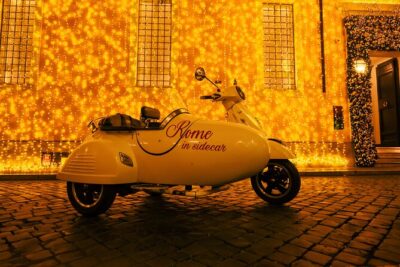
Two wheels beat the long walk. You get fast access to classic Rome plus quieter viewpoints, all with hotel pickup. It’s a private outing with a guide, a helmet on, and a glass of Prosecco as you move between stops.
What I like most is the mix: you’ll see the big-ticket sights (like the Colosseum) and then swing by places most people rush past. The other win is control. You can ask questions and shape the pacing to your group, instead of being herded through a fixed script.
One thing to consider: this is a shared Vespa sidecar setup. You won’t each get your own scooter, and there are strict height (195 cm) and weight (100 kg) limits for passengers.
In This Review
- Key things to know before you go
- How the Vespa Sidecar Tour Works (and what your ride feels like)
- Hotel pickup and the meeting point: starting in central Rome
- Colosseum viewpoint: seeing the icon without getting stuck
- Baths of Caracalla: a bigger sense of scale, in less time
- Pyramid of Cestius: Rome’s odd shape problem
- Aventine Hill: Santa Sabina, orange trees, and the keyhole view
- Janiculum Hill and Fontana dell’Acqua Paola: skyline payoff
- Prosecco on the move: a small luxury that fits the pacing
- Value check: is $195.27 per person worth it?
- Who this Rome Vespa sidecar tour is best for
- Guide factor: Simone and Andre set the tone
- Should you book this Vespa Sidecar Tour with Prosecco?
- FAQ
- How long is the Vespa sidecar tour of Rome?
- What is included in the price?
- Does the tour offer hotel pickup?
- Is this a private tour?
- Do I drive the Vespa myself?
- Is admission included for the stops?
- What stops are included?
- Is the tour offered in English?
- What happens if it rains?
- What are the height and weight limits?
Key things to know before you go
- Hotel pickup and drop-off so you start rolling without navigating buses or meeting points on your own
- Photo-stop pacing with short, timed stops that fit a ~2 hour loop
- Shared sidecar seating (one passenger behind the driver, one in the sidecar), not a solo ride for each person
- Prosecco with the tour to turn a fast city circuit into a small celebration
- Rain plan included, with ponchos provided if the weather turns
How the Vespa Sidecar Tour Works (and what your ride feels like)
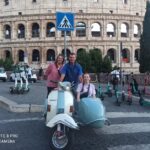
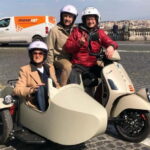
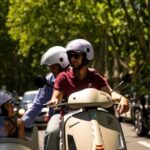
This is not a self-drive tour. You’re along for the ride, and your guide drives the Vespa sidecar while you enjoy the scenery and the viewpoints. You’ll be issued helmets, and the group stays together as you hop between Roman highlights.
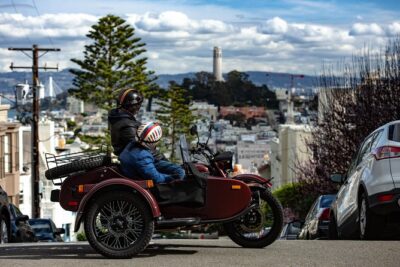
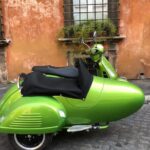
The vehicle setup matters for expectations. In each Vespa sidecar unit, one customer rides behind the driver and one customer rides in the sidecar. If you’re traveling with three or four people, the tour provider will fit you into multiple sidecar units rather than giving each person their own ride. That shared structure is part of how the price stays reasonable.
The timing is also built for Rome traffic and city blocks. Each stop is short, usually 20–30 minutes, so you get enough time to take photos, read the vibe, and ask questions—without spending the day in transit lines.
If you’re the type who wants to see a lot with minimal walking, this format fits you. If you hate being on the move for most of the tour, this may feel fast.
Hotel pickup and the meeting point: starting in central Rome
The tour meets at Piazza della Cancelleria, 1 (00186 Roma RM). If you’re using hotel pickup, you’ll be asked to wait outside your chosen pickup address at the start time. From there, you’re back to the same meeting point at the end.
I like this arrangement because it solves two real Rome problems: finding the right street near landmarks and managing the timing chaos of buses and short walks. With pickup handled, you can focus on the sights, not the logistics.
It’s also helpful that the tour is offered in English, with a private guide for your group. That matters when you want context—like what you’re looking at, why it’s there, and what to watch for from the exact viewpoint you’re at.
Colosseum viewpoint: seeing the icon without getting stuck
The first stop is the Colosseum, with about 30 minutes on site. The goal here is simple: get the “I’m in Rome” moment, take photos, and get oriented to what you’re seeing.
You’re not spending the whole time in a long, slow queue. Instead, you’re brought to a strong viewpoint where the monument fills your frame. Even with a shorter stop, the Colosseum hits hard—its scale and the way it sits in the cityscape are hard to explain until you’re looking at it.
The tour includes an admission ticket free note for this stop, which suggests you won’t need to handle extra ticket purchasing for the time at the landmark itself. That can save you time and avoid the “Where do I go next?” feeling when you’re already trying to enjoy the moment.
Practical tip: bring the phone camera you actually use. You’ll want it for this stop.
Baths of Caracalla: a bigger sense of scale, in less time
Next up is Terme di Caracalla (Baths of Caracalla) for about 20 minutes. This is a classic Rome contrast: instead of a stadium-like arena, you’re looking at a massive complex built around daily ritual—bathing, socializing, and movement through grand spaces.
I like this stop because it gives you something different right after the Colosseum. The ruins feel spacious. You can step back and take in the layout, then picture how people would have moved through it.
As with the Colosseum, the stop is listed as admission ticket free, so you can spend your attention on the site, not on ticket hassles.
Time is tight, so aim to do two things in your minutes there:
1) scan the scale from where you’re positioned
2) take one set of photos that shows size, not just close detail
It’s the “wow, this was huge” feeling you’ll remember.
Pyramid of Cestius: Rome’s odd shape problem
Then you roll to Piramide Cestia (the Pyramid of Cestius) for around 20 minutes. This is one of those monuments that feels almost out of place until you see it.
A Roman pyramid built as a tomb has a strange kind of logic. That’s what makes it interesting on a short tour: you get an immediate “Wait, what is that?” moment, followed by a clearer understanding of the city’s mixed influences.
The time here is mostly about pause-and-photo. The goal is to capture the striking contrast between ancient geometry and modern streets. If you love quirky facts and visual surprises, this is a highlight.
Admission is listed as free for this stop, so you’re not juggling any additional costs during the short visit.
Aventine Hill: Santa Sabina, orange trees, and the keyhole view
The most “slow down and look” portion comes on Aventine Hill with about 30 minutes at Turo Aventi. This stop is packed with small, meaningful sights:
- Church of Santa Sabina
- Orange Tree Garden with views of Rome
- The famous Keyhole view framing St. Peter’s Basilica
I really like how this section balances architecture, gardens, and a playful optical moment. The church gives you a calm, human scale. The garden gives you breathing room and a better sense of distance across the city. And the keyhole view is simply fun—because it turns sightseeing into a quick “Try this” challenge.
Drawback to plan for: since this is a short stop, it’s not a slow, wander-all-day garden visit. You’ll want to pick what you care about most—church photos, viewpoints, or the keyhole—then commit your time there.
As with other stops, admission is listed as free, which keeps your total experience simpler.
Janiculum Hill and Fontana dell’Acqua Paola: skyline payoff
The last sightseeing stretch is Colle del Gianicolo (Janiculum Hill) for about 20 minutes. This is your payoff for the ride: sweeping views and a chance to watch Rome spread out beneath you.
While you’re there, you’ll see Fontana dell’Acqua Paola, a grand Baroque fountain that makes a great photo backdrop. If you’ve been photographing stone for hours, fountains bring motion and detail back into your images.
This stop is short, but it’s exactly the kind of ending that works. You get skyline views, then you’re done before you feel tired of the “sit and stand in lines” rhythm.
Again, the stop is listed as admission ticket free, so it’s more about walking a little, soaking in the vista, and moving on.
Prosecco on the move: a small luxury that fits the pacing
The tour includes Prosecco. It’s not a huge meal situation; it’s more like a refreshing break that matches the ride. In practice, it works because the whole tour is about momentum—quick stops, fresh air, and photo breaks.
One practical note: with drinks involved, keep an eye on how you’re standing and holding your phone while you take pictures. The ride is fun, but you’ll want to be steady during transfers and when you’re near railings or uneven ground.
If you like tours that feel celebratory without getting formal, this touch matters. It helps turn a standard sightseeing loop into a memorable moment.
Value check: is $195.27 per person worth it?
At $195.27 per person for about two hours, you’re paying for a bundle: private transportation, hotel pickup/drop-off, a private guide, helmets, multiple timed stops, and Prosecco.
The value equation changes depending on what you’d otherwise do:
- If you’re planning to do only walking and public transit, you’d be spending time and energy. This cuts that friction.
- If you’re paying for separate entry tickets and guide time, the included admission notes and guide guidance can make the price feel more reasonable.
- If you’re traveling as a couple or small group, the shared sidecar model can keep costs from exploding compared with fully individual vehicles.
The main “value trade” is the shared seating. You get the experience, but not a solo ride for each person. If that’s a deal-breaker for your group, you’ll need to compare against other private transport options.
Who this Rome Vespa sidecar tour is best for
This fits best if you:
- want to see a lot in a tight window
- like photo stops and viewpoint hopping
- prefer a guide who can answer questions on the fly
- don’t want to manage public transport on your first days in Rome
It’s also a good fit for people who get tired of long walking days. The structure keeps you moving, but not in a marathon.
You may want to skip it if:
- you’re over the stated height or weight limits
- you strongly prefer to drive yourself
- you hate short stops that mean you have to choose what you care about most at each site
If you’re going during a rainy stretch, note that the tour runs and ponchos are provided, so you’re not stuck canceling plans at the first drop.
Guide factor: Simone and Andre set the tone
The guides matter on a tour like this, because they’re doing the timing, pointing out what to look for, and keeping the experience moving. In this case, guides named Simone and Andre are described as friendly and good at explaining what you’re seeing.
You’ll feel that most at the viewpoint stops—when you can ask questions while you’re there rather than trying to search for answers later.
Should you book this Vespa Sidecar Tour with Prosecco?
Book it if you want an easy, guided way to hit Roman highlights in a short time, with hotel pickup, private guide time, and a fun ride format that feels different from standard walking tours. The itinerary’s mix—Colosseum, Baths of Caracalla, Pyramid of Cestius, Aventine Hill, and Janiculum views—gives you variety, not just the same big sights over and over.
Skip it if you need a slow paced, long-stay tour, or if the shared sidecar setup won’t work for your group. Also check the height and weight limits early so you don’t end up disappointed.
If you’re trying to get your bearings fast in Rome and you like seeing the city from multiple angles, this is a solid choice.
FAQ
How long is the Vespa sidecar tour of Rome?
It’s about 2 hours.
What is included in the price?
You get private transportation, helmets, hotel pickup and drop-off, and Prosecco.
Does the tour offer hotel pickup?
Yes. Pickup is offered, and you’ll wait outside your chosen pickup address at the start time.
Is this a private tour?
Yes. Only your group participates.
Do I drive the Vespa myself?
No. This is not a self-drive tour. Your guide drives.
Is admission included for the stops?
The stops listed include notes that admission tickets are free for each location.
What stops are included?
The tour visits the Colosseum, Terme di Caracalla, Pyramid of Cestius, Aventine Hill (including Santa Sabina and the Orange Tree Garden/keyhole view), and Janiculum Hill (including Fontana dell’Acqua Paola).
Is the tour offered in English?
Yes, it’s offered in English.
What happens if it rains?
The tour runs in rain and ponchos are provided.
What are the height and weight limits?
The maximum weight limit is 100kg/220lbs per person, and the maximum height limit is 195cm/6.4ft per person.