REVIEW · SAPA
Sapa Motorbike Tour 1 Day| See All Of Rice Fields & Valleys in One Day
Book on Viator →Operated by Trekking Tour Sapa · Bookable on Viator
If you like big views and small, local villages, this one-day Sapa motorbike tour delivers fast. You ride past rice terraces, through Muong Hoa Valley, and into Hmong communities where daily work, house building, and even marriage traditions get explained in plain language.
What I really like is the mix of scenery and culture without wasting time. You get village entry fees, a local guide, vegetarian lunch, plus petrol and a driver for the bike, so you’re not juggling rentals and extra purchases all day.
One consideration: the route is on rough mountain roads. If you’re sensitive to bumps or you hate being on a motorbike for hours, you’ll want to think twice and take it slow with your posture and comfort.
In This Review
- Key Points You Should Care About
- Why This Sapa Motorbike Day Tour Makes Sense
- The Morning Ride Starts Where Most People Only Drive Through
- Y Linh Ho Viewpoints and the Black Hmong Rice-Paddy Look
- Lao Chai: Where the Terraces Feel Practical, Not Just Pretty
- Ta Van Village: The Part That Feels Least Like a Checklist
- Hau Thao and Giang Ta Chai: Culture Talks, Big River and Valley Views
- What’s Included (and Why It’s Good Value at $97.44)
- Roads, Safety, and How to Stay Comfortable
- Timing: A 6.5-Hour Circuit That Still Leaves You Energy
- Who This Tour Fits Best
- Book or Pass: My Practical Take
- FAQ
- Where does the tour start?
- How long is the Sapa motorbike tour?
- Is hotel pickup included?
- What’s the total price?
- What villages do you visit?
- Is lunch included, and is it vegetarian?
- What’s included besides the guide and motorbike?
- Is it a private tour?
- Do I need to be physically fit?
- Does weather matter?
Key Points You Should Care About
- Five villages in one day, including Ta Van, Y Linh Ho, Lao Chai, Hau Thao and Giang Ta Chai
- Muong Hoa Valley viewpoints and rice terrace photo stops built into the route
- Local guide with real village knowledge, including Hmong marriage traditions and daily work
- Lunch and village entry fees included, plus one small bottle of water
- Private tour format, so it’s just your group on the ride
Why This Sapa Motorbike Day Tour Makes Sense
Sapa can feel like two Sapas at once. There’s the crowded center where you’ll see tour buses and souvenir stalls, and then there are the villages where people live with the mountains, not just visit them. This tour leans hard into the second Sapa.
In about 6 hours 30 minutes, you travel a circuit that connects villages and viewpoints. Along the way, you’re not only looking at rice terraces—you’re also being taught what’s involved in the work behind them: how people farm, how houses get built, and how customs shape day-to-day life.
And because it’s a private tour, you can usually keep the pace more comfortable for your group. That matters on motorbikes, where stopping too often or too rarely can make the ride feel either rushed or tiring.
The Morning Ride Starts Where Most People Only Drive Through
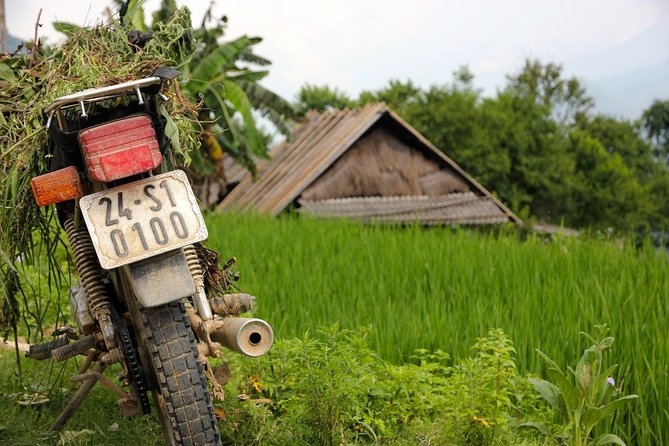
Your meeting point is Sapa Church (P. Hàm Rồng, TT. Sa Pa, Sa Pa, Lào Cai). The schedule shows a morning start around 9:00 am, with the tour beginning at 8:40 am in the route description—so arrive early and you won’t be scrambling to find the group.
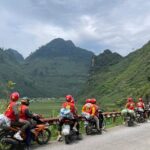
From there, the ride follows a route that takes you through several stops before you settle into the main village viewing time. You’ll get a quick safety chat on how to sit and ride behind the driver, then you roll out toward the first big viewpoint area.
This is one of the best parts of booking a guided motorbike loop instead of trying to do it on your own: someone handles the route, and you focus on the scenery and the conversations instead of the navigation.
Y Linh Ho Viewpoints and the Black Hmong Rice-Paddy Look
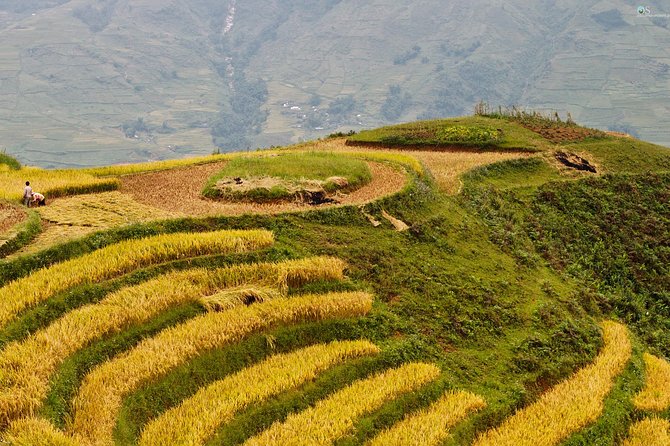
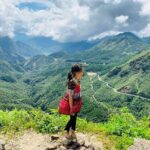
First up is Y Linh Ho, described as a village of the Black Hmong people. The payoff here is timing and angles. You reach the viewpoint at a time designed for panoramas over Muong Hoa Valley and the rice paddies below.
This part works well if you like photos but also want context. Instead of just snapping shots, the guide sets you up to notice what you’re seeing: terrace shapes, the way the valley holds the paddies, and how the farming rhythms relate to where homes and paths sit.
If you’re traveling in a misty season, this stop can feel extra dramatic. If visibility is limited, you’ll still get a sense of how the terraces stack along the slopes, even if the far ridges blur a bit.
Lao Chai: Where the Terraces Feel Practical, Not Just Pretty
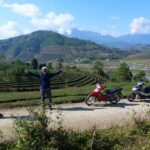
Next comes Lao Chai, another Hmong village and one of the classic Sapa names for terrace views. Here the guide helps you connect the visuals to real life, talking through terraced rice fields and how people work them.
This is a good contrast point after Y Linh Ho. From stop to stop, the terraces change texture and pattern. You begin to see that the scenery isn’t only scenery—it’s infrastructure. The terraces exist because someone built and maintains them, and that maintenance is tied directly to the village’s routines.
One small drawback: this area is famous, so even on a day tour it can be busy near the viewpoints. The best way to enjoy it is to move with your guide and treat the learning moments as the main event.
Ta Van Village: The Part That Feels Least Like a Checklist
Ta Van Village is the heart of the circuit and the village name you’ll probably remember most. After riding through the valley sections, you arrive with time to slow down and watch daily life.
The tour is designed to explain customs rather than just pointing at houses. You get introductions to Hmong ways of working and building, plus cultural notes around traditions. This is where the day stops feeling like a ride-between-photo-spots and starts feeling like a conversation with place.
One practical note: you’re visiting multiple villages back-to-back, and that can be tiring on a motorbike day. Ta Van is a good time to reset mentally—take your photos, then focus on what your guide is translating about the community.
Hau Thao and Giang Ta Chai: Culture Talks, Big River and Valley Views
Later in the route, you move on to Hau Thao and Giang Ta Chai. The overall tour description also flags that you’ll see Sapa’s biggest river and valley, and these are the kinds of stops that typically connect viewpoint time with cultural explanation.
This segment is where the guide’s cultural teaching becomes more specific to the Hmong in Sapa. You get information on topics like Hmong marriage traditions, plus how people build and maintain homes and how labor connects to the rice fields.
If you enjoy learning through stories—rather than through museum-style facts—this is the part of the day most likely to stick with you. The guide’s job here is to turn your ride into understanding, and these stops are positioned to do that.
What’s Included (and Why It’s Good Value at $97.44)
At $97.44 per person, you’re paying for a lot of the things that usually add up in Sapa: a local guide, village entry fees, lunch, and the motorbike setup itself.
Here’s what’s included:
- Lunch (vegetarian)
- Village entry fees
- 1 small bottle of water
- Local guide
- Motorbike petrol
- Motorbike driver
What’s not included:
- Extra drinks at the restaurant/homestay
- Tips
- Personal travel insurance
That inclusion list is the value. Renting a bike, finding petrol costs, paying for guides, and buying lunch separately can turn a half-day plan into an expensive day fast. This tour bundles the essentials so you can budget without overthinking it.
One more plus: you’ll have pickup offered, which reduces the hassle of getting to the route on time.
Roads, Safety, and How to Stay Comfortable
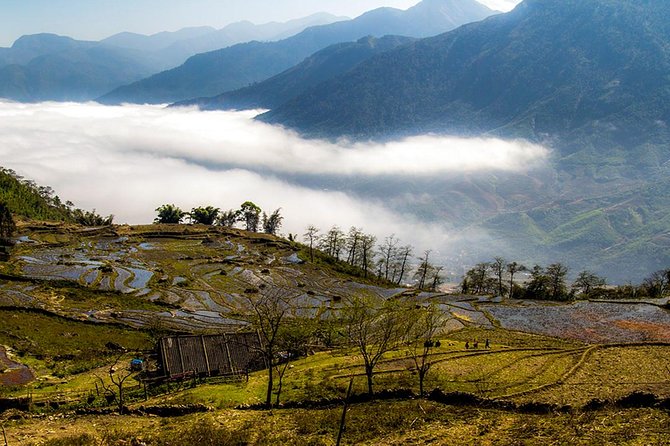
Motorbike tours in the mountains are not the smooth, city-style experience you might expect. The route is described as having roads that can feel intense, so your comfort setup matters.
Do this:
- Keep your body relaxed and balanced behind the driver. Don’t brace like you’re expecting an impact every time.
- Pay attention during the initial sitting and safety briefing. It’s short, but it helps.
- If you’re traveling with motion sickness, plan accordingly before you start the ride.
The tour is rated as private and guided, so you’re not steering your own experience. That’s a big deal on roads like this, because your only job is to hold on and enjoy the views when the road allows it.
Timing: A 6.5-Hour Circuit That Still Leaves You Energy
The duration is about 6 hours 30 minutes, which is long enough to feel like a real Sapa day, but not so long that you’ll have to sacrifice your evening plans.
Lunch is included and vegetarian. Drinks at stops aren’t included, so if you like something specific to drink, plan for that extra cost.
Since the itinerary is built around multiple villages, you’ll want to treat the day like a full activity. Don’t schedule a heavy hike the same evening. Think of it as your main Sapa “out of town” experience.
Who This Tour Fits Best
This is a strong match if you:
- Want to see multiple villages in one day without switching transport methods
- Care about rice terrace scenery and village culture, not just viewpoints
- Prefer a private group setup over crowded bus tours
- Are comfortable riding a motorbike for several hours
It may be less ideal if you:
- Have trouble with rough roads or sustained time on a motorbike
- Expect a relaxed, gentle stroll-heavy day (this is a ride-forward tour)
- Need lots of free time in one single village to wander independently (the day is structured as a circuit)
You should also aim for moderate physical fitness, which matches the general demands of moving between village spots and viewpoints during a full ride.
Book or Pass: My Practical Take
I’d book this if you want one day that hits both big views and real village life. The fact that lunch and village entry fees are included, plus petrol and the driver, makes it feel straightforward for your budget. You also get cultural context tied to daily work and traditions, including Hmong marriage traditions—not just a quick photo stop and off you go.
I’d pause and choose a different option if motorbike comfort is your top concern. The ride itself is the trade-off: you’re trading some comfort for access to places most people only see from roads below.
If you’re flexible and you’re aiming for an authentic Sapa day beyond the center, this tour is a smart bet.
FAQ
Where does the tour start?
The meeting point is Sapa Church (P. Hàm Rồng, TT. Sa Pa, Sa Pa, Lào Cai 333100, Vietnam). The tour ends back at the same meeting point.
How long is the Sapa motorbike tour?
It runs for about 6 hours 30 minutes.
Is hotel pickup included?
Pickup is offered, so you can arrange to be collected (where available).
What’s the total price?
The price is $97.44 per person.
What villages do you visit?
The route covers these villages: Y Linh Ho, Lao Chai, Ta Van, Hau Thao, and Giang Ta Chai (five villages total). The tour also focuses on Hmong, Giay, and Red Dao ethnic minorities.
Is lunch included, and is it vegetarian?
Yes. Lunch is included and it’s vegetarian. Drinks are not included in the restaurant/homestay.
What’s included besides the guide and motorbike?
Included items are village entry fees, 1 small bottle of water, motorbike petrol, and the motorbike driver.
Is it a private tour?
Yes. It’s private, so only your group participates.
Do I need to be physically fit?
The tour asks for moderate physical fitness.
Does weather matter?
Yes. The experience requires good weather. If it’s canceled due to poor weather, you’ll be offered another date or a full refund.