REVIEW · ELVAS
Elvas the Key of the Kingdom Sidecar Tour
Book on GetYourGuide →Operated by Moma Side My Bike · Bookable on GetYourGuide
Fort walls move fast on a sidecar. In Elvas, you see the UNESCO-listed military system of this garrison border town, and what I like most is the mix of big defenses plus everyday waterworks. You get those dramatic double gateways and towers, then you also pause at the Aqueduct of Amoreiras for its fountains, not just for photos, but to understand how the town stayed alive under siege.
One thing to consider: the bulk of the time is built around a longer stop at the viewpoint area for guided context, photo time, and a safety briefing, so you’ll want to stay alert and ready for short stretches of walking during the exploring portion. The ride itself is short, so this is best for people who enjoy history and want to cover serious ground without doing the full hike.
This is a private group tour, led in English, Portuguese, and Spanish, so you can ask questions and get explanations that actually fit your pace.
In This Review
- Key Takeaways Before You Go
- Why Elvas Fortifications Work So Well by Sidecar
- How the 3 Hours Builds a Defensive Timeline
- Starting at Praça da República: Get Your Bearings Fast
- The Double Gateways and Medieval Towers You’ll Actually Remember
- Dry Moat Logic and the Vauban-Style Forts
- Aqueduct Amoreiras and the Fountains: Survival Is Part of the Story
- The 17th-Century Grand Cistern
- Fort Santa Luzia: The Included Entrance That Makes the Price Feel Fair
- Muslim Walls, the Fernandina Wall, and How to Read Centuries
- Jewish Legacy and the Jewish House Connection
- Price and Value: $82 for Up to Two, and Why Time Matters
- Who This Sidecar Tour Fits Best
- Should You Book It or DIY Elvas Fortifications?
- FAQ
- How long is the Elvas Key of the Kingdom Sidecar Tour?
- Where do we meet for the tour?
- How much does the tour cost?
- Is this a private group tour?
- What languages are the live tour guides available in?
- Is Fort Santa Luzia entrance included?
- Does the tour help you avoid ticket lines?
- What cancellation window is offered?
Key Takeaways Before You Go
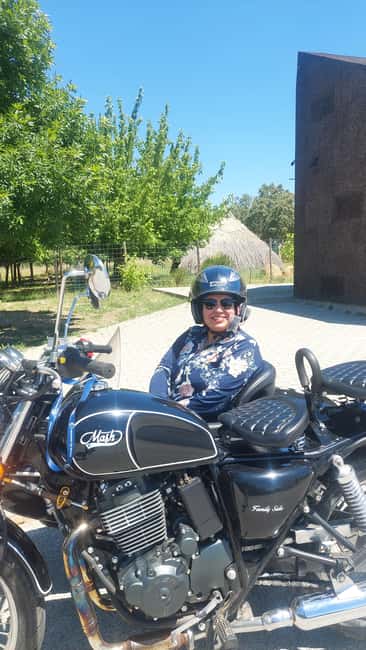
- UNESCO fortifications in one 3-hour format: you’ll move through centuries without getting lost in long foot routes.
- Military engineering details that make sense: dry moat ideas, gates, curtains, and multiple defensive belts.
- Aqueduct Amoreiras and fountains: a rare “civil life” stop inside a mostly defensive route.
- Fort Santa Luzia included: free entrance helps you justify the price quickly.
- A guide you can question: guides like Paulo Galego are described as focused, friendly, and quick with answers.
Why Elvas Fortifications Work So Well by Sidecar
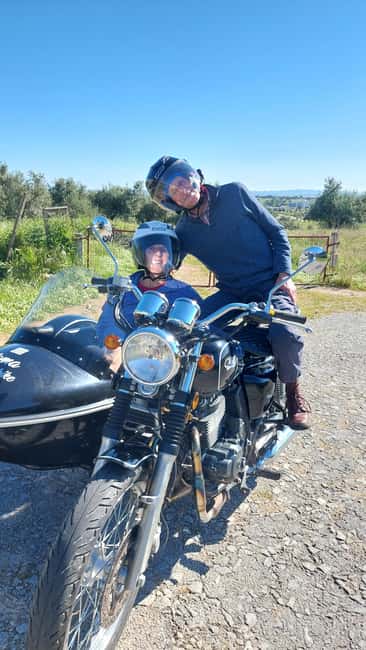
Elvas is one of those Portuguese towns where the defenses are the main character. The fortifications are so extensive that seeing them at a walking pace alone can feel like a long, exhausting day. Here, the sidecar format gives you a practical shortcut: you still get the history, but you’re not spending your entire trip fighting hills and distance.
What makes this tour feel especially worth your time is the way the sights connect. You’re not just touring random monuments. You’re following a defensive logic built across long periods, from earlier Muslim walls to later European-style fort upgrades. The route also balances battlefield thinking with the town’s survival systems, including water storage and water delivery.
And yes, it helps that you’re in a private group. That matters in places like this, where the guide’s pace can make or break whether you actually understand what you’re looking at.
How the 3 Hours Builds a Defensive Timeline

This tour is about compression, the good kind. In about three hours, you get guided orientation, short scenic movement, and focused exploring. The structure is simple: a solid introduction at the start, then you move through key defensive areas and return to Elvas.
Even though the sidecar ride portion is listed as a short sightseeing cruise, the time isn’t wasted. The long viewpoint block is where the guide’s role matters most, because that’s when you learn how to read the walls. After that, the stops feel like locations you can place into a mental map, rather than isolated stops.
You’ll also notice the tour is designed for people who want to understand the “why” behind the fortifications: why there are multiple belts, why gates get reinforced, and how the dry moat and angles of defense fit together.
Starting at Praça da República: Get Your Bearings Fast
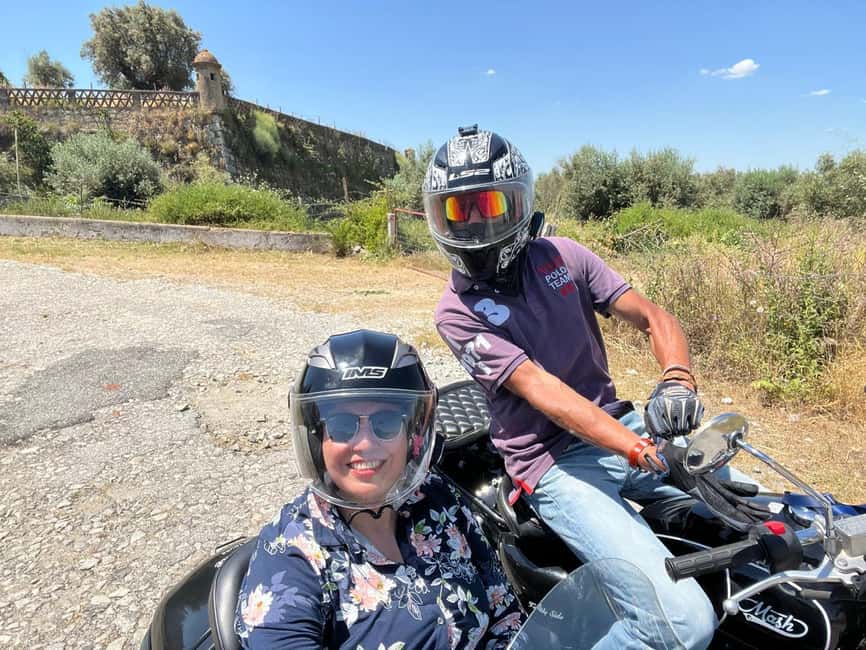
You meet at Praça da República, next to the tourist office. That’s a smart start because it puts you in the center of town right away, before you head into the fortifications.
From there, the tour shifts into the viewpoint area for about two hours. This time is split into a guided portion, photo stops, self-guided time, and a safety briefing. Translation: you get both the story and the time to look.
This “story first, look second” approach matters in Elvas. Fortifications can feel overwhelming if you only do quick external glances. But if you learn what you’re seeing—walls, curtains, gates, and layers—then even a simple walk up to a viewpoint becomes more than a photo break.
Practical tip: since a lot of your time is spent on-site rather than in constant riding, dress for comfortable standing and walking during the exploring segments.
The Double Gateways and Medieval Towers You’ll Actually Remember

One of the most compelling parts of Elvas’ defenses is the way the fortification system channels movement. Gates aren’t just entrances. They’re choke points. That’s why the double gateways and the medieval-age towers hit so hard in person.
When you’re moving through these sections, you start to see how the defenders controlled access. The tour route focuses your attention on those key structures rather than scattering you across the entire site. It’s a time-saver, but it also helps you learn the pattern: where the town could be threatened, where movement would slow, and how the fortifications were built to force difficult approaches.
If you love military architecture, you’ll appreciate that this isn’t presented as a vague “cool old wall.” It’s presented as a system of lines, barriers, and defensive geometry.
Dry Moat Logic and the Vauban-Style Forts
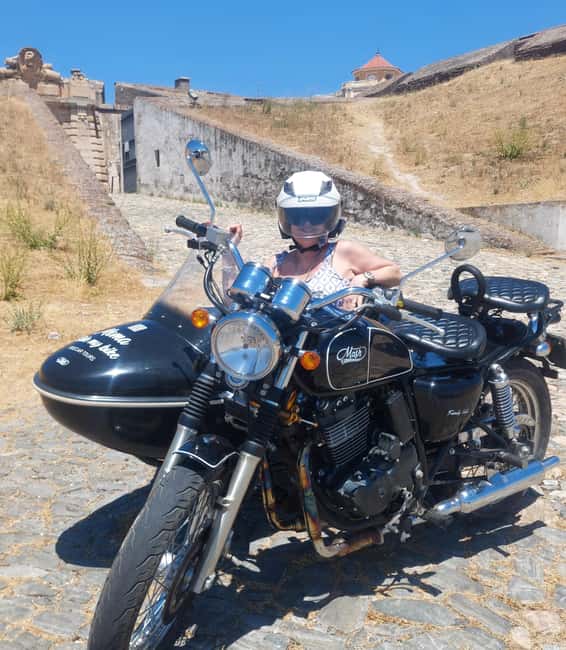
Elvas’ fortifications are known for their European evolution. You’re looking at layers from different periods, and the tour points out the major ones, including the Vauban-style forts.
Two forts highlighted in the tour concept are Fort Santa Luzia and Fort Nossa Senhora da Graça in Vauban style. That name matters because it points to a specific way fortification thinking evolved in Europe, with angled defenses and careful engineering to manage fields of fire and movement around the fortress.
You’ll also hear about a dry moat using what’s described as the first Dutch method of fortifying it. Even if you’re not a military engineer, you can follow the idea: a dry moat isn’t just a ditch. It’s a barrier that changes how an attacker approaches and where they can safely move.
What I like is that the tour connects these concepts to real structures you can see: curtain walls, fort lines, and defensive belts. That’s how the details stop being trivia and start becoming understanding.
Aqueduct Amoreiras and the Fountains: Survival Is Part of the Story
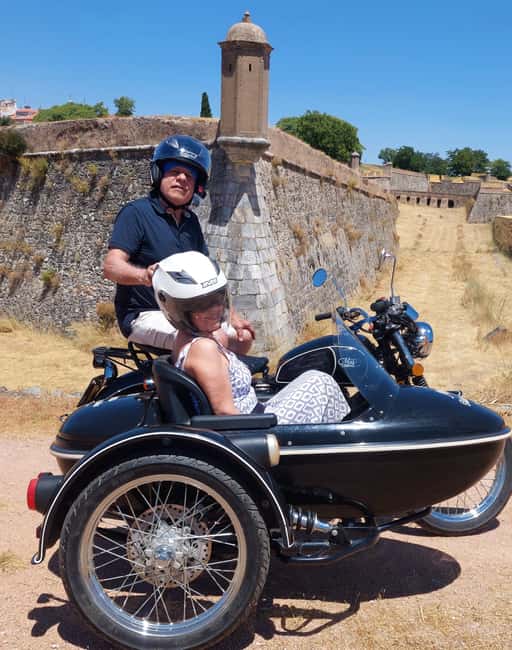
Elvas isn’t only about fighting. It’s also about staying functional while under pressure. The tour includes a stop for the Aqueduct Amoreiras and its wonderful fountains, and that matters more than it sounds.
When water systems are part of the defense plan, you learn something practical: a fortress isn’t only walls and towers. It needs reliable water delivery. Including the aqueduct stop prevents the trip from turning into a one-note story about siege.
You’ll get a chance to see how the town’s infrastructure connects to its military identity. And since the aqueduct and fountains are visually satisfying, you get a change of pace from stone defenses. It’s a smart rhythm in a short tour: learn, see, then breathe.
The 17th-Century Grand Cistern
Water storage is where fortress life becomes real. That’s why the Grand Cistern from the 17th century is such a strong stop.
A cistern is basically a quiet guarantee. It’s built for times when access to outside sources is cut off. Even if you only take a few minutes to look at the cistern as a “system,” you start to grasp how the fortifications worked beyond the walls.
This is also one of those places where a guided explanation pays off. Without context, a cistern can feel like another structure in a fortress zone. With context, it becomes part of the bigger picture: the town’s ability to endure.
If you like to travel with your eyes open, this stop gives you that satisfying feeling of learning what people did day-to-day, not only how they defended themselves.
Fort Santa Luzia: The Included Entrance That Makes the Price Feel Fair
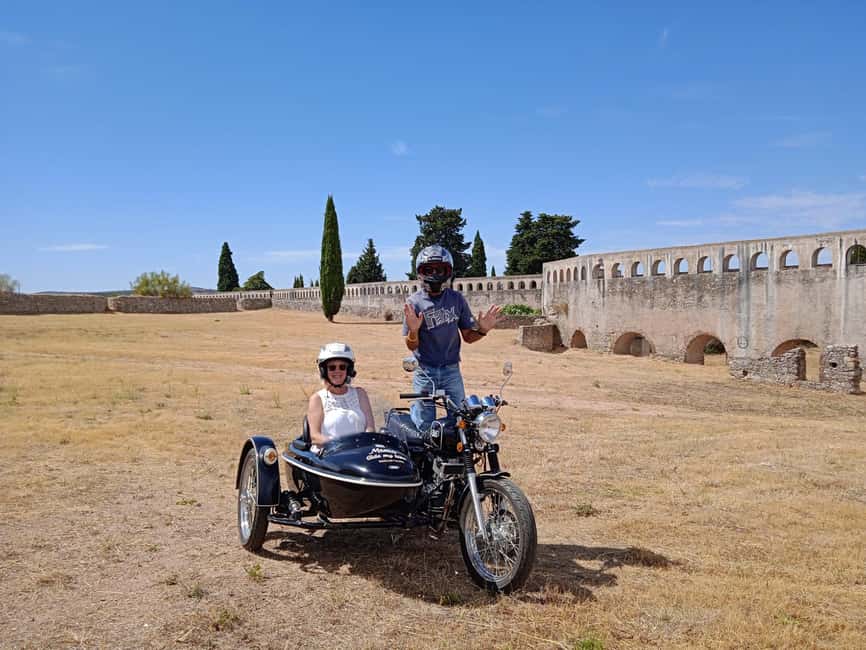
Fort Santa Luzia is included with free entrance, which is a big value point. In a short tour, getting into one major interior site matters because otherwise you can spend a lot of time seeing exteriors that all blur together.
The fort is part of the described Vauban-style group, so you’re not just visiting a random viewpoint. You’re stepping into a place that fits the larger engineering story the tour tells: later-period upgrades layered onto older systems.
The tour also builds toward the forts by moving through the surrounding defensive language—walls, curtains, and gateways—so Fort Santa Luzia feels like the logical next chapter. That’s the difference between a “see a fort” stop and a “understand how a fort works” stop.
Even if you’re not usually into military sites, the inclusion helps because you’ll actually get time where the history is hands-on: you’re not only driving past.
Muslim Walls, the Fernandina Wall, and How to Read Centuries
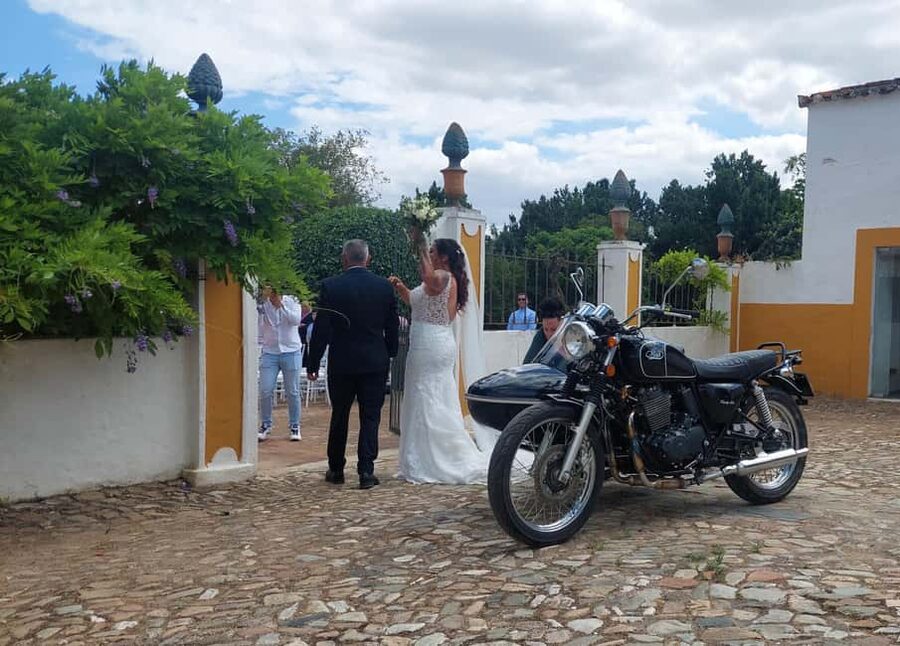
Elvas is described as having Muslim walls built across different centuries, including an 8th-century wall and an 11th-century wall, plus later additions like the third military belt known as the Fernandina Wall in the 14th century. Those dates don’t just sound impressive. They explain why Elvas looks the way it does.
As you move through the route, the big trick is learning to spot changes in fortification style. When a site has multiple layers from different eras, you can often sense the timeline in the structure: where upgrades were added, where defenses were tightened, and how the defensive system expanded over time.
The tour leans into that by guiding you through key sections like arches and doors within the Muslim walls, and then onward to the later defensive belts. The payoff is that you end up with a clearer story, not a pile of stone.
And this is where the sidecar format helps again. If you tried to cover this much on foot, you’d lose too much time to fatigue. Here, the guided framing keeps your brain engaged.
Jewish Legacy and the Jewish House Connection
The tour also includes a look at Jewish legacy elements, including the Jewish House. In a trip centered on fortifications, this is an important reminder that Elvas wasn’t only a military machine.
Border towns absorb cultures, and that shows up in the places people lived and the communities that shaped local life. The Jewish legacy stop adds human weight to the military narrative, so you’re not stuck viewing everything through the lens of siege.
Even without going deep into every detail, the fact that the route includes this element helps you see Elvas as a real town with real communities, not only a defensive relic.
Price and Value: $82 for Up to Two, and Why Time Matters
The price is listed as $82 per group up to 2, with a 3-hour duration. For a private tour, that positioning is the key: you’re paying per group, not per person, which usually makes the math easier for couples or small groups.
The bigger value comes from the time-savings and the pairing of stops. In one outing, you get:
- the major fortification context,
- indoor or entrance access to Fort Santa Luzia (free entrance),
- and key infrastructure stops like the aqueduct and cistern.
If you tried to assemble all of those yourself, you’d spend extra time figuring out routes and fitting it all together. Here, the tour does that work in advance. You’re also spared some of the friction that comes with ticket lines, since the tour is set up to skip the ticket line.
This isn’t a “drive past a few walls” tour. The structure is built around learning and viewing the most meaningful parts of the system in a limited timeframe.
Who This Sidecar Tour Fits Best
This tour is a strong fit if you:
- want a private, guided experience without committing to a full walking day,
- enjoy military architecture and engineering details (dry moat logic, multiple defensive belts, gateway design),
- like a route that mixes defenses with everyday survival sites like water systems,
- and prefer English, Portuguese, or Spanish explanations over solo reading.
It’s also ideal for people who like a guide to help them notice what they’d otherwise miss. The best-rated aspect of this kind of tour is usually the guide’s ability to make stone structures feel understandable, and this one has a clear reputation for that.
From the tour’s descriptions, guides can go deep and stay practical, including being able to handle questions. If your guide is Paulo Galego, for example, the tone described is hands-on and responsive, not rushed.
Should You Book It or DIY Elvas Fortifications?
Book this tour if you want the fortress story in a structured 3-hour package, with the sidecar helping you move efficiently across Elvas’ key defensive zones. The combination of Fort Santa Luzia free entrance, fortification-focused guidance, and stops like the aqueduct and grand cistern is exactly the kind of bundle that can be hard to recreate on your own without extra time.
DIY might make sense only if you already know Elvas fortifications well, or if you’re set on spending a much longer day walking and exploring without a guide. But if you’re visiting with limited time and you want your visit to feel coherent, this is the better choice.
FAQ
How long is the Elvas Key of the Kingdom Sidecar Tour?
The tour lasts about 3 hours.
Where do we meet for the tour?
You meet at Praça da República, next to the tourist office.
How much does the tour cost?
It is priced at $82 per group for up to 2 people.
Is this a private group tour?
Yes. It’s a private group experience.
What languages are the live tour guides available in?
The live guide offers English, Portuguese, and Spanish.
Is Fort Santa Luzia entrance included?
Yes. Free entrance to Fort Santa Luzia is included.
Does the tour help you avoid ticket lines?
Yes. It includes skipping the ticket line.
What cancellation window is offered?
You can cancel up to 24 hours in advance for a full refund.