Sapa gets real fast on a motorbike. This off-the-beaten-track day pairs scenic backroads with village visits, so you’re not just collecting photos—you’re learning how minority communities live and farm around Sapa. A big plus: the guides and drivers (I saw names like Tamay and Mai come up often) focus hard on safety and keeping you comfortable.
Two things I’d book for: lunch and gas are included, plus entry fees for the scenic areas and villages along the route. And the day has a great rhythm—mountain viewpoints in the morning, then rice-terrace riding and Red Dao culture at Ta Phin in the afternoon. The main catch is simple: you’re on the bike for much of the day, so if you want long, slow walks or a totally gentle pace, this won’t feel like that.
In This Review
- Key highlights worth your time
- Why Sapa by motorbike feels better than bus-and-viewpoints
- The ride reality: comfort, safety, and what to expect on the road
- Getting rolling in Sapa: pickup at 8:30 and a fast safety briefing
- Stop at O Quy Ho Mountain Pass: 2,000 meters and big Fansipan views
- Ngu Chi Son Five Fingers: terraces, valley roads, and mountain-scale moments
- Ta Phin Village: Red Dao culture, village lunch, and slower moments
- Value and price: why $69 makes sense here
- What the group setup changes for you (and why it matters)
- Who should book this Sapa motorbike day
- Brief FAQ (quick answers before you decide)
- FAQ
- What’s the duration of the tour?
- What time does the tour start?
- How much does it cost?
- Is lunch included?
- Is motorbike fuel included?
- How many people are in the group?
- What language level should I expect from the guide?
- Are entry fees included?
- Do I need to tip the guide and driver?
- What happens if the weather is poor?
- Should you book this hidden-villages Sapa motorbike day?
Key highlights worth your time
- Small-group motorbike touring (up to 8 people) so the day feels personal, not like a bus ride
- Gas included means you won’t get hit with surprise fuel fees
- O Quy Ho Mountain Pass at about 2,000 meters with big views of Fansipan
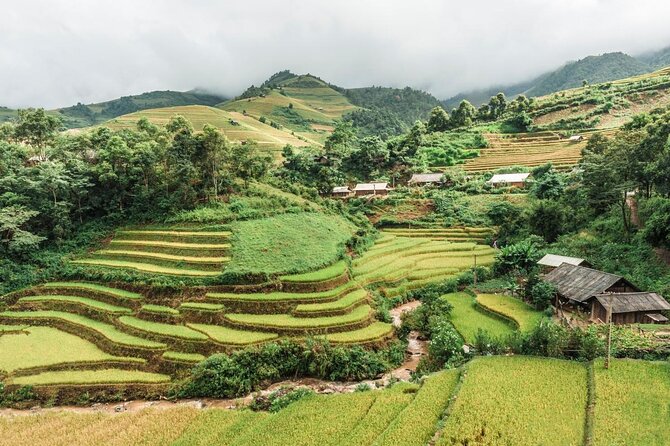
- Ngu Chi Son Five Fingers area with terraced rice paddies and backroad shortcuts
- Ta Phin Village + Red Dao culture with lunch included in the village setting
- All key entry fees handled for the sights and villages you visit
Why Sapa by motorbike feels better than bus-and-viewpoints
Most Sapa days revolve around the same handful of viewpoints and ticketed stops. This one changes the angle. By motorbike, you get on roads you likely won’t find alone, and you move between villages while the scenery is still changing—valleys, terraces, and mountain passes instead of staying parked.
What you’re really buying is time and access. You can walk Sapa routes, sure, but the motorbike lets you cover more of the rural edges of the region in one day. That matters because Sapa’s charm isn’t only the views—it’s the daily life happening on the hillsides.
The ride reality: comfort, safety, and what to expect on the road
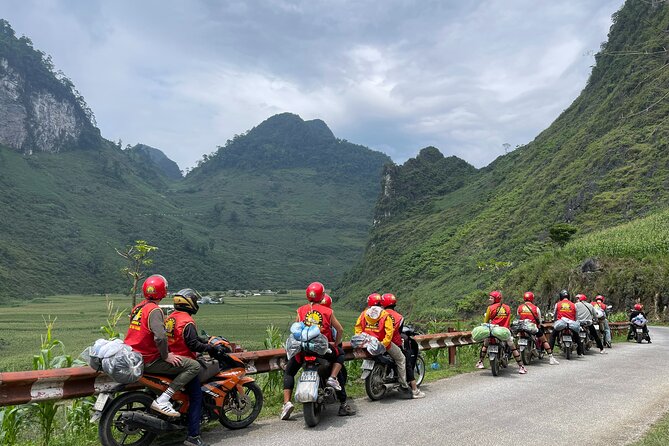
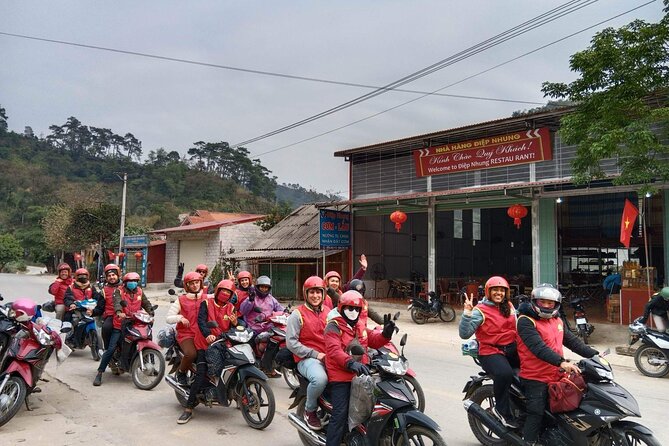
This is a full day, about 8 hours, with an early start. Most of that time is spent traveling by motorbike between stops, so build your day around sitting comfortably and taking breaks when the guide stops.
Motorbikes can be semi-automatic or manual, and you ride as a passenger. The tour is designed for people who want the experience even if you don’t ride yourself, and the safety brief happens right at pickup before you head out. The reviews strongly emphasize careful driving, and guides like Tamay (and others with similar safety-first styles) are specifically called out for looking after riders.
One practical note: mountain weather changes fast in Sapa. The experience requires good weather, so if the day turns rainy or foggy, you may be offered a different date or a refund. If you hate the cold or you’re easily uncomfortable in wind, bring a warm layer even if the morning starts pleasant.
Getting rolling in Sapa: pickup at 8:30 and a fast safety briefing
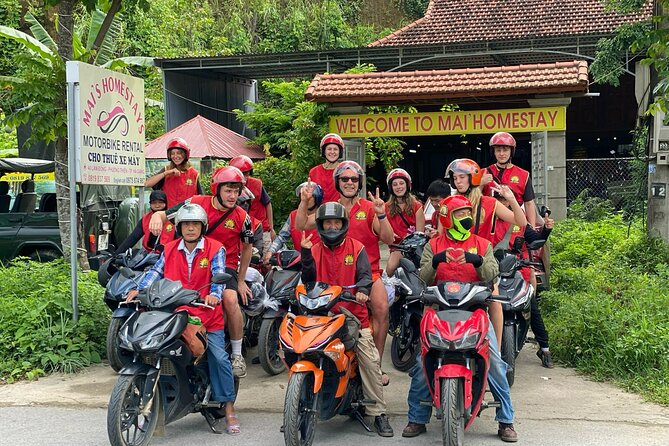
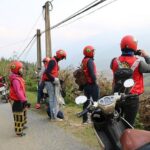
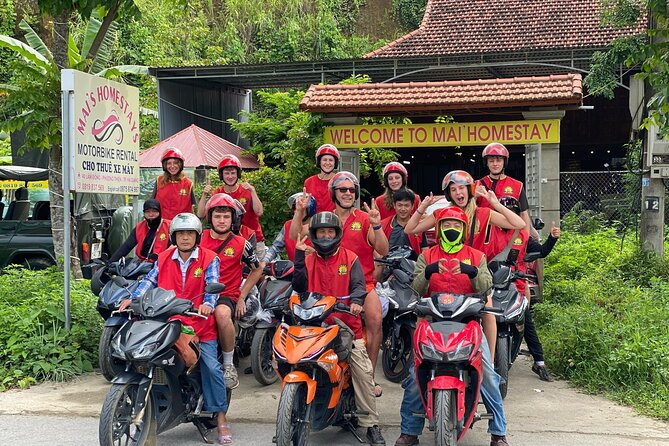
You meet at 8:30 am either at your hotel or at the meeting point on 018 Phạm Xuân Huân. Expect a short orientation: you’ll meet your guide and driver, get a safety rundown, and confirm the plan before you’re off.
This part is more important than it sounds. When you’re going off-road and through backroads, you want clarity early—where to sit, how stops work, and how the group stays together. Guides also tend to adjust for the group’s comfort, which is helpful if you’re new to motorbikes or just want a smoother ride.
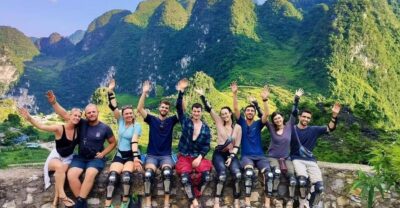
Also, this is a small group tour (maximum 8). That size keeps things efficient and lets your guide spend time explaining what you’re seeing instead of rushing to herd people into the next photo spot.
Stop at O Quy Ho Mountain Pass: 2,000 meters and big Fansipan views
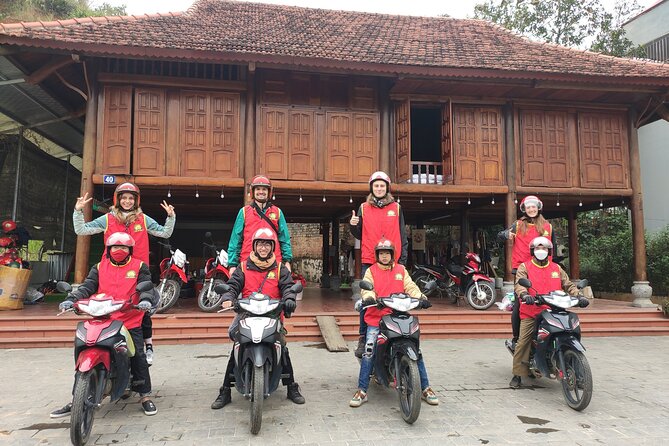
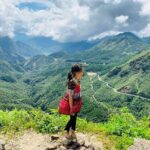
Your first major scenic stop is O Quy Ho Mountain Pass, and the timing gives you a solid chance for clear views. You’ll visit O Quy Ho Village, described as one of the higher-altitude villages in the Sapa area at around 2,000 meters.
The payoff here is straightforward: fresh mountain air, elevated vantage points, and wide views that you don’t get from town. You also get photo time with Fansipan in the distance (when visibility cooperates), plus views over farmed slopes and fields.
Possible drawback: viewpoints in the mountains can mean mist. If the weather is socked in, you may not see the full panorama. Still, even on a lower-visibility day, the ridge-and-valley atmosphere is part of the experience.
Ngu Chi Son Five Fingers: terraces, valley roads, and mountain-scale moments
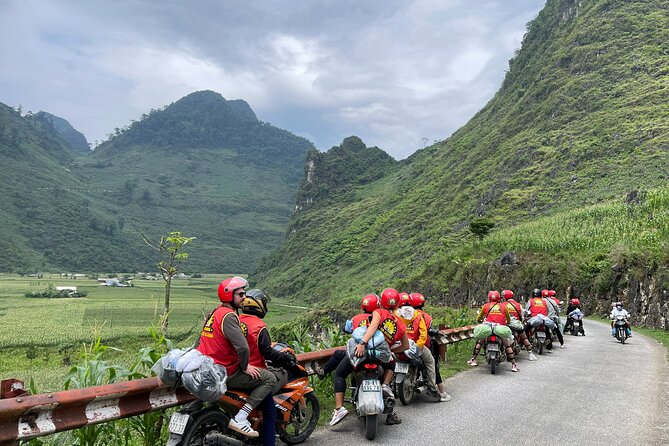
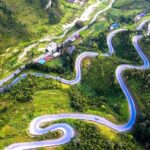
After the pass, you ride through backroads, valleys, and narrow lanes toward the Ngu Chi Son Mountain area—often called the Sacred Five Fingers due to the mountain’s distinctive shape.
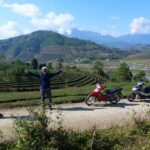
This is where the tour earns the off-the-beaten-track promise. You’ll see terraced rice paddies from angles most visitors miss, and you’ll keep moving through rural pockets rather than only stopping in one place. The driver also goes through stretches that run along the Ngu Chi Son mountain range, which can feel like the scenery is changing every few minutes.
What I like about this stop is how it connects landscape to work. Terraces aren’t just a pretty pattern; they show how people shape the slopes for farming. When your guide explains what you’re looking at, the rice fields start to make sense as part of a real system—water, labor, and seasonal rhythms. You may also pass through areas like Ta Giang Phinh Valley and Ban Khoang, which are included as entry stops in the tour package.
A small caution: this is mountain riding. Expect curves, dips, and occasional bumpy segments. If you get motion sickness, pack a remedy and take water at each stop.
Ta Phin Village: Red Dao culture, village lunch, and slower moments
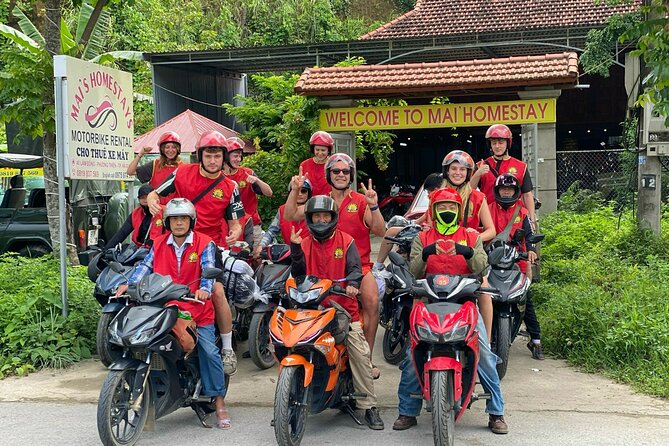
Lunch happens in Ta Phin Village. This is a key part of the day because you’re not just eating—you’re pausing inside the village setting. The tour includes lunch, and one standout detail from the experience is that you may try Sapa choko with chicken as part of the meal.
After lunch, you shift gears from scenery to culture. Your guide gives you chances to learn about Red Dao Minority culture, then you spend time exploring rural Ta Phin village life at your own pace. This is the part where the day stops feeling like a drive-by and becomes more about daily routines—where people live, how communities organize around farming, and what visitors are usually missing when they only stay on the main routes.
What to consider: village exploration can mean uneven ground and lots of small lanes. The tour is still set up for most travelers, but it’s not the kind of polished, wheelchair-friendly walk you might expect at a city attraction. Wear shoes you don’t mind getting dusty.
Some days, the route also includes extra nature stops like a waterfall or cave, depending on conditions and routing. That’s not guaranteed in the basic description, but it’s a realistic possibility on the day’s countryside drive.
Value and price: why $69 makes sense here
At $69 per person, the headline question is: what are you getting for that money?
You’re getting a full day of structured guiding plus the whole “moving parts” side that’s usually annoying to arrange yourself:
- Motorbike transport with a professional driver
- Fuel (gas) included
- Lunch included
- All entry fees for the listed stops (including places like Ban Khoang and Ta Giang Phinh Valley, plus Ta Phin-related village areas)
- A small-group format so you aren’t paying for crowd control
If you tried to DIY this with a motorbike tour driver, you’d likely still pay fuel and probably end up paying separate entry fees at some point. Here, the package bundles those costs so the math is simpler—and you can focus on the day instead of planning it line by line.
Another value angle is time. You get to see mountain passes, terrace views, and village life in one outing. For a destination like Sapa, where you may not want to rearrange your whole schedule, that efficiency has real payoff.
What the group setup changes for you (and why it matters)
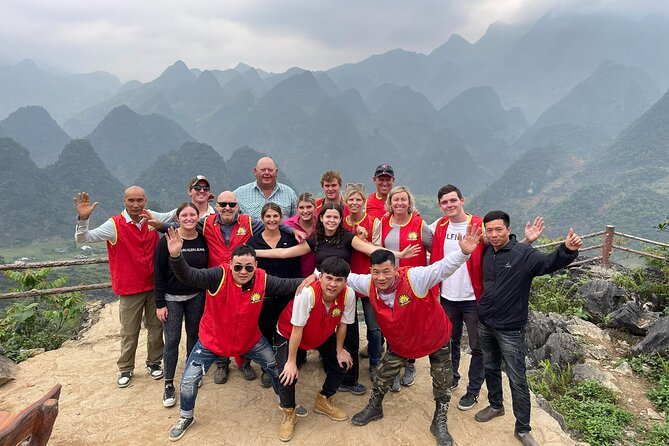
Group size is small, with a maximum of 8 travelers, so your guide can keep track of everyone without feeling rushed. On long motorbike days, that changes everything: you get more responsive pacing, clearer instructions at stops, and better explanations at viewpoints.
The guide matters a lot here. Names that came up in the experience include Tamay, Mai, Lan, and Mae, and the common thread was how well they combine safety with storytelling. You’re not just being shown places; you’re being told what you’re looking at—how communities live, what daily life looks like, and how the region’s different groups relate to the land.
Who should book this Sapa motorbike day
This tour is a strong fit if:
- You want a countryside day rather than another town loop
- You’re curious about minority village life and farming landscapes
- You’re okay spending most of the day on a motorbike ride
- You like the idea of small-group travel and a guide who talks through what you see
It’s not the best match if:
- You want a slow, hiking-heavy day with lots of long walking breaks
- You’re very sensitive to motion or cold mountain wind
- You get stressed by active schedules and prefer more downtime
Brief FAQ (quick answers before you decide)
FAQ
What’s the duration of the tour?
It runs for about 8 hours.
What time does the tour start?
The start time is 8:30 am.
How much does it cost?
The price is $69 per person.
Is lunch included?
Yes. Lunch is included.
Is motorbike fuel included?
Yes. Gas (fuel) is included, so you shouldn’t have extra fuel charges.
How many people are in the group?
The maximum group size is listed as 8 travelers.
What language level should I expect from the guide?
The tour notes highlight that guides can support travelers, and reviews specifically mention English-speaking guides like Tamay and Mai.
Are entry fees included?
Yes. Entry fees are included for the listed stops such as Ban Khoang, Ta Giang Phinh Valley, and Ma Tra An Ta Phin Villages.
Do I need to tip the guide and driver?
Tips are not included, so you should plan for tipping the guide and driver.
What happens if the weather is poor?
The experience requires good weather. If it’s canceled due to poor weather, you’ll be offered another date or a full refund.
Should you book this hidden-villages Sapa motorbike day?
If your goal is to see Sapa beyond the main tourist routes, I think this is a very smart booking. The combo of small-group motorbike access, included lunch and gas, and structured village time makes it easier to get a real sense of the region without turning your day into logistics.
Book it if you’re comfortable being active for most of the day and you want mountain views plus village culture in one shot. Skip it if you want a totally gentle pace or you’re mainly after an easy walk. If weather cooperates, this is the kind of Sapa day that feels different the moment you leave town.