REVIEW · ROME
Afternoon Vespa Sidecar Tour with Gourmet Gelato Stop
Book on GetYourGuide →Operated by Vespa Sidecar Tour · Bookable on GetYourGuide
One engine, one city, and suddenly Rome makes sense. This Vespa sidecar tour is a fun way to see major landmarks without dealing with traffic, parking, or road stress. I especially like the live guide narration through headphones and the fact you get to sit back while your driver handles the streets. The main drawback: at 3 hours and at a premium price point, you’ll want to be sure this mode of sightseeing fits your comfort level and budget.
If you want Roman history explained in plain, human terms while you glide through tight lanes, this tour has the right formula. You’ll also get a gourmet gelato taste to close the loop, and the group moves fast enough that you pack in a lot without feeling rushed every second. One practical consideration: it’s not recommended for people with back problems or heart conditions, and it isn’t for pregnant travelers.
In This Review
- Key Highlights You’ll Feel Immediately
- Why Rome Looks Different from a Vespa Sidecar
- Helmets, Seat Belts, and Headsets: Comfort and Safety First
- Meeting at Piazza della Repubblica and Getting Ready to Ride
- Quirinale and Fontana di Trevi: Big Icons with a Real Guide Story
- Pantheon Tickets and Piazza Navona: Two Stops That Reward Slower Looking
- St. Peter and the Gianicolo Hill View: Seeing Rome from Above
- Trastevere and the Jewish Ghetto to Piazza Venezia and the Colosseum
- The Gelato Stop: A Sweet Finish That People Actually Talk About
- Price and Time: Is $152.93 Worth It for a 3-Hour Ride?
- Who This Tour Fits Best (and Who Should Skip It)
- Practical Tips for Your 14:30 Departure
- Should You Book This Vespa Sidecar Tour with Gelato?
- FAQ
- How long is the Vespa sidecar tour?
- Where is the meeting point?
- What time does the tour start?
- Is the tour narrated in English?
- Do I have to drive or handle parking?
- What’s included for food?
- Are entry tickets included?
- Are children allowed, and how do they ride?
Key Highlights You’ll Feel Immediately
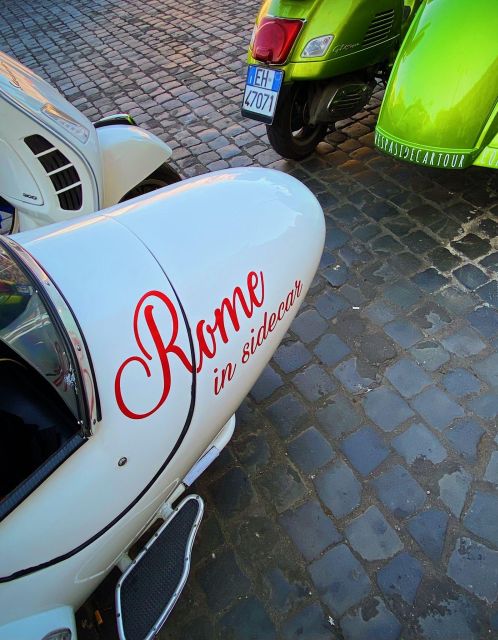
- Headphones with live narration so you get context at each stop (not just photos).
- Professional drivers take the wheel, which means you can focus on the views.
- Helmet comfort and hygiene with CE helmets plus sterilized disposable head covers.
- Real safety features: seat belts for the sidecar passenger and waterproof ponchos if weather turns.
- A gelato stop that people rave about, plus the team helps with photos along the way.
- A tight 3-hour route that strings together major Roman landmarks efficiently.
Why Rome Looks Different from a Vespa Sidecar
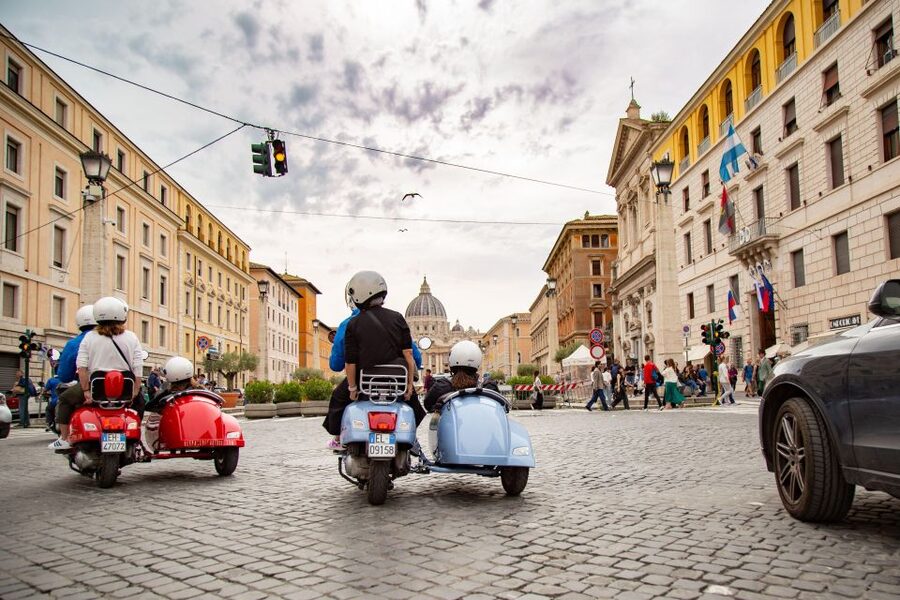
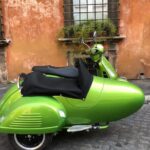
There’s Rome the way you see it from a sidewalk, and then there’s Rome the way you experience it from a moving viewpoint. Riding in a sidecar changes the pacing. Streets that feel intimidating on foot can feel easy when someone else is driving and you’re simply taking in the next turn.
I like how this tour keeps you in the flow. You don’t lose time zigzagging between locations, hunting bus routes, or squeezing into crowded walking schedules. Instead, you get to enjoy the ride itself, including access to narrow streets and quick photo opportunities that larger vehicles struggle with.
The “no driving, no parking” part isn’t fluff. In central Rome, that saves energy for the good stuff: looking up at stone, soaking in angles, and hearing the story behind what you’re seeing.
Helmets, Seat Belts, and Headsets: Comfort and Safety First
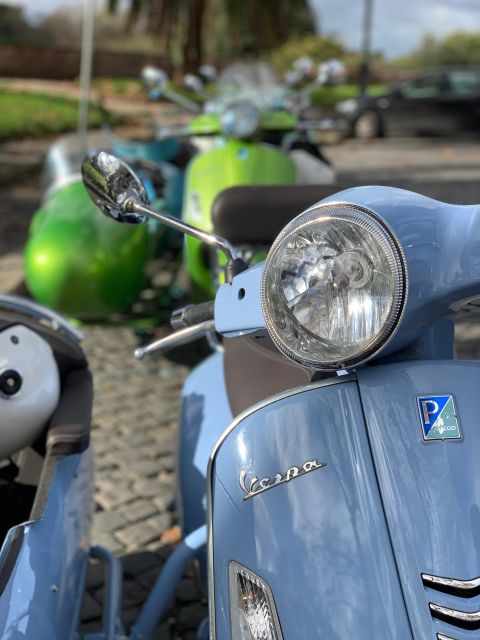
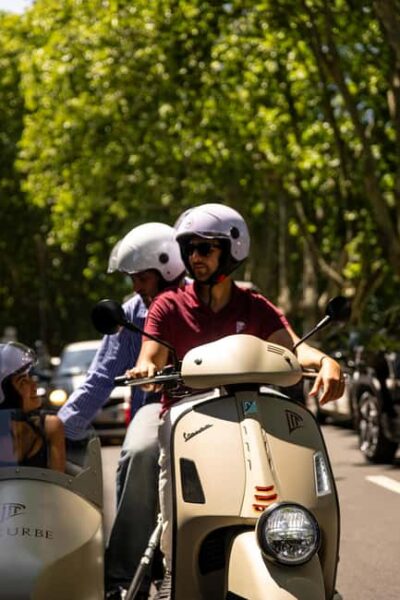
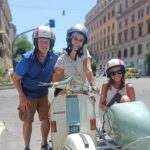
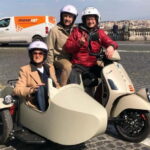
This is not a bare-minimum sightseeing ride. The tour provides homologated CE helmets and uses sterilized disposable head covers for hygiene and comfort. For many people, that’s the difference between feeling relaxed and feeling self-conscious.
On the passenger side, you get seat belts in the sidecar, and the tour includes practical weather gear. There are waterproof ponchos in case of rain, and in winter there are blankets and electric water bottles. That matters in Rome because conditions can shift fast, especially later in the day.
The big “quality of life” item is the narration setup. You’ll have headsets to hear your guide live while you’re moving, so you don’t end up waiting around for explanations. You also get full insurance included in the price, which gives peace of mind when the plan involves time on two wheels.
Meeting at Piazza della Repubblica and Getting Ready to Ride
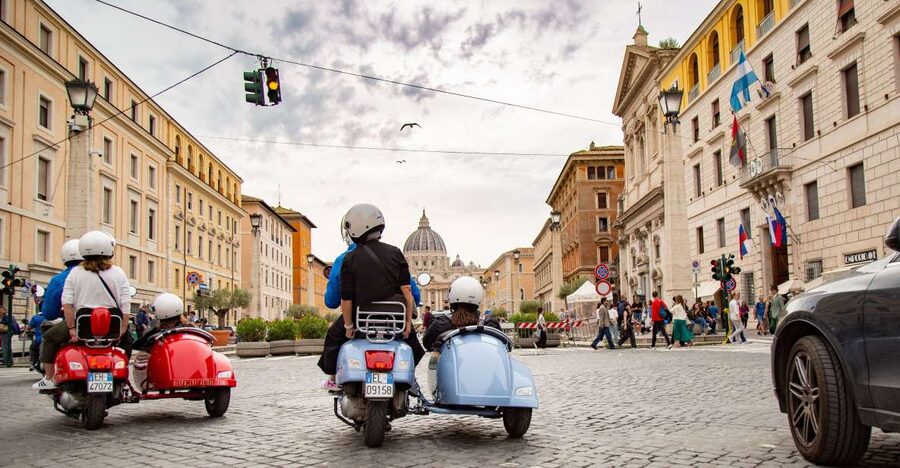
Your tour meets at P.za della Repubblica, 41, Roma RM. The team is there around 2:30 PM, near a green newspaper kiosk. The ride itself runs for about 3 hours, and it returns back to the meeting point when you’re done.
If you’re the type who likes to settle in before you start, give yourself a few extra minutes. You’ll need time to match up with your group, get the helmet fitted, and confirm your position in the sidecar. Once you roll out, the schedule is tight enough that any delay turns into missed sights.
Also keep in mind the passenger height and seating rules. Children must be at least 5 years old and accompanied by an adult. If a child is taller than 150 cm, they can sit behind the driver; otherwise, they ride in the sidecar with the seatbelt on.
Quirinale and Fontana di Trevi: Big Icons with a Real Guide Story
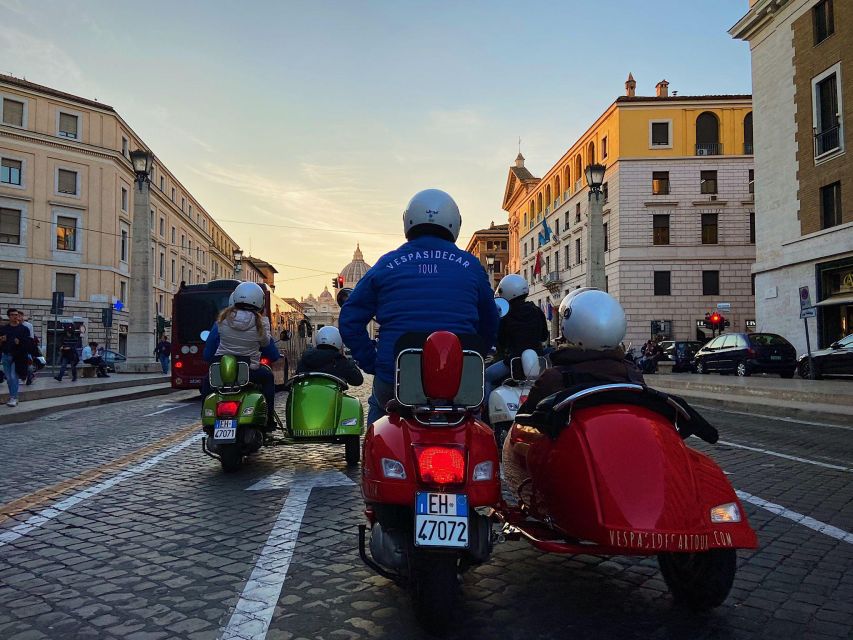
The tour’s standard route starts in the afternoon and moves through major Roman landmarks in a way that feels efficient rather than hectic. You’ll pass through Quirinale and then head toward Fontana di Trevi, two stops that instantly signal Rome’s scale and drama.
Trevi is often crowded, and the best part here is having guidance that explains what you’re looking at while you’re still fresh enough to notice details. The headphones help because you aren’t just standing there trying to figure out symbolism on your own.
Quirinale also gives you a sense of how the city’s different “levels” connect—palace zones up top, street life below, and all the lines created by Rome’s hills. When you hear the story as you move, the geography starts to click.
Pantheon Tickets and Piazza Navona: Two Stops That Reward Slower Looking
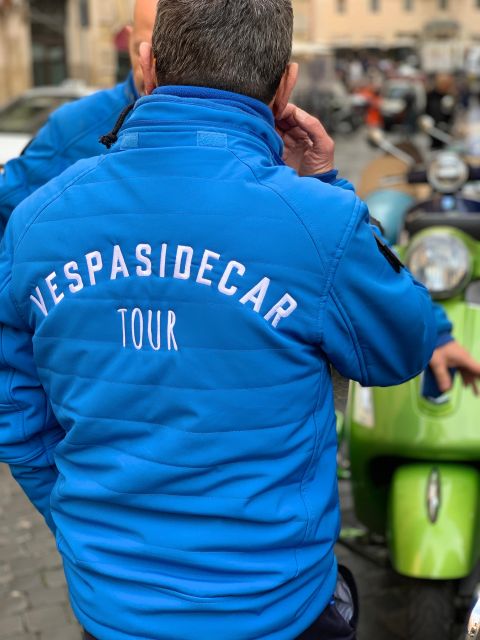
From Trevi, you reach the Pantheon, which is a major highlight on this tour and includes entry tickets. This is one of those places where the architecture hits you even if you don’t know a single Roman fact. But you’ll appreciate it more once your guide points out what makes it work and why it matters.
Then you continue on to Piazza Navona, a square that feels like a stage set. The narration helps you avoid the common trap: looking at the buildings without understanding the history and the “why” behind the present layout. With headphones, the guide can keep the story going even as you walk through the space.
If you like architecture and symbolism, these two stops are a strong pairing. One is a masterclass in design that still feels bold today; the other is a lively urban room where art and city life share the same stage.
St. Peter and the Gianicolo Hill View: Seeing Rome from Above
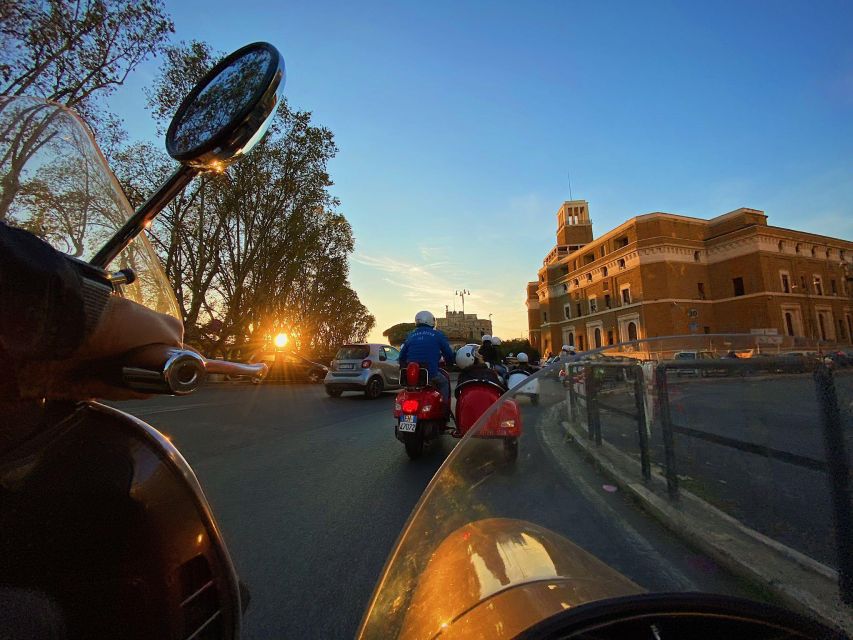
The tour includes St. Peter, and then you head to Gianicolo Hill for the kind of view you remember after you’ve left. St. Peter is massive and visually overwhelming on your own, so a live explanation helps you focus. Instead of trying to “catch it all,” you learn what to look for.
Gianicolo is where the ride payoff becomes obvious. When you reach an elevated lookout, you finally get the full shape of Rome: rooftops layered like waves, domes and churches punctuating the skyline, and streets stretching out farther than your brain expects. This is also a good spot for photos, because you’re not just capturing one landmark—you’re showing the idea of Rome as a whole.
If you’re traveling with someone who needs a break from nonstop walking, this part helps. You get movement, then an open view, then movement again. It’s not just “more places”—it’s a rhythm.
Trastevere and the Jewish Ghetto to Piazza Venezia and the Colosseum
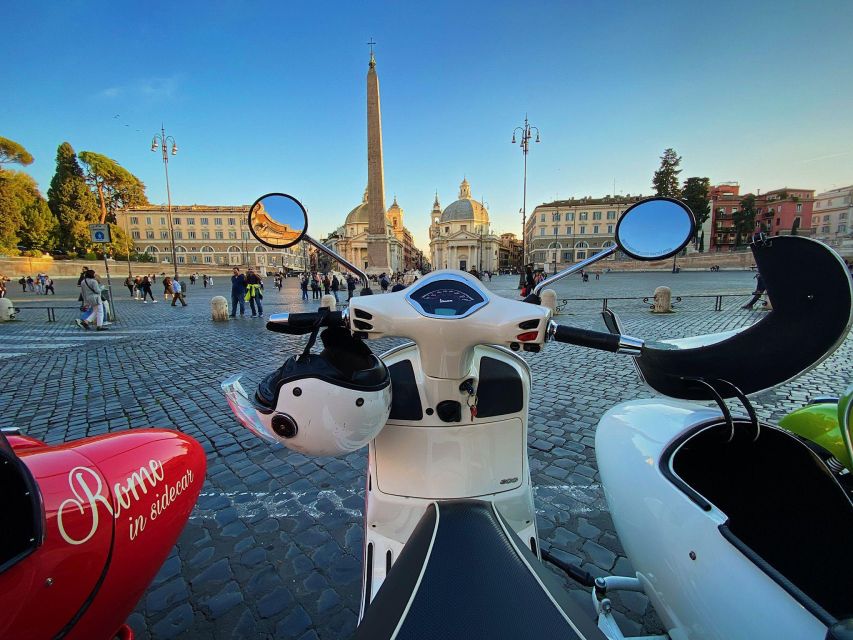
After the hilltop moment, the route works its way toward neighborhoods like Trastevere & the Jewish Ghetto, then on to Piazza Venezia, and finally the Colosseum. This sequence is smart because it gives contrast. You move from formal, monumental Rome into areas with a different street texture and atmosphere.
Trastevere and the Jewish Ghetto can feel like Rome at human scale—narrower streets, older layers, and a sense of everyday city life beside major historic sites. Having live narration while you pass through helps you read the neighborhood instead of treating it like a blur of buildings.
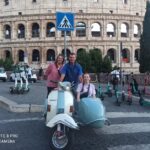
At Piazza Venezia, the city opens into a classic Rome panorama moment. And then you finish with the Colosseum, the final big emotional hit. The Colosseum is famous, sure, but it’s also one of the best places to understand how Roman power and ambition were built into public space. With headphones, you’re not just looking at an icon—you’re hearing what it meant in its time.
The Gelato Stop: A Sweet Finish That People Actually Talk About
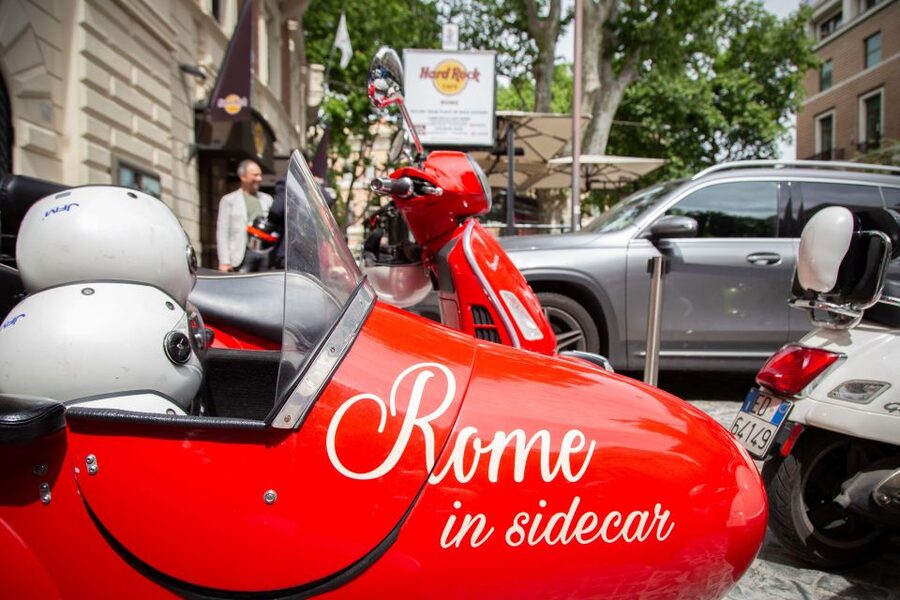
The tour includes a gourmet gelato taste. That part matters because it’s not an afterthought—gelato is a payoff timed for when you’re ready to slow down and enjoy it.
In the feedback I’ve seen reflected in the experience, the gelato stop is often described as a standout moment, with lots of flavors offered. You can treat it as a quick reset for your legs and your brain, especially after you’ve been sitting in the sidecar for the full ride.
If you’re picky about dessert, you’ll still likely be happy here. A “gourmet taste” tends to mean you get quality without a long wait, so you don’t lose the momentum of the day.
Price and Time: Is $152.93 Worth It for a 3-Hour Ride?
At $152.93 per person for about 3 hours, this tour costs more than many basic guided walks. The question is what you’re buying.
You’re paying for:
- Transportation on a Vespa sidecar, including access to lanes that are annoying (or impossible) with bigger vehicles.
- Live narration through headphones the whole way, so you get context without stopping every two minutes.
- Entry ticket to the Pantheon.
- Safety gear (CE helmets with sterilized covers, seat belts) and full insurance.
- Convenience: you don’t think about driving or parking.
If you arrive in Rome needing quick orientation and you want a “first-day wins” feeling, it can be good value. You also save mental energy. In a city where planning routes and parking can eat time, not having to handle those problems is real money worth paying for.
On the other hand, if you’re on a tight budget or you love spending hours wandering on your own, this might feel pricey. It’s a structured experience with a clear route and a clear finish. Like any guided format, it trades freedom for efficiency.
Who This Tour Fits Best (and Who Should Skip It)
This is ideal if you want Rome explained while you move through it. It’s also great for people who don’t want to spend their afternoon tangled in traffic and parking decisions.
It’s also a good pick for groups who want fun and variety in a short window: icons, neighborhoods, lookout views, then a dessert finish. The tour also supports service animals.
But you should skip it if:
- You have back problems (not recommended).
- You have heart problems or other serious medical conditions (not recommended).
- You are pregnant (not permitted).
If you’re unsure, it’s worth checking with your doctor before booking any ride-based sightseeing. The tour itself gives you safety equipment, but it can’t change the basic reality: you’re on a vehicle with movement and time spent seated.
Practical Tips for Your 14:30 Departure
This tour typically runs with a 14:30 (2:30 PM) start, and the team gathers at the meeting point at 2:30 PM near the green newspaper kiosk. Plan to arrive a little early so helmet fitting and group alignment don’t cut into your sightseeing time.
Bring sensible clothing for quick weather changes. If rain pops up, you’ll get waterproof ponchos, and if it’s winter, expect blankets and electric water bottles, which is a nice touch if you tend to get cold.
If you’re riding with kids, double-check the height rule: 150 cm determines whether they sit behind the driver or in the sidecar with the seatbelt. That isn’t just a formality; it affects how the ride is set up.
Finally, take advantage of the team’s photo support. Based on the experience people describe, they take care to get everyone in the right shots and keep the mood up. You’ll leave with more than memories; you’ll have images that match the story the guide tells.
Should You Book This Vespa Sidecar Tour with Gelato?
Book it if you want a fun, structured Rome introduction in one afternoon. This tour is especially strong for first-timers who want the big monuments plus neighborhood texture, all while a professional driver and guide handle the hard parts.
I’d also book it if you value context. The headphone narration is the difference between seeing landmarks and actually understanding why they matter. And when you pair that with a Pantheon entry ticket and a gelato stop, you’re not just paying for the ride—you’re paying for a guided experience with built-in time savings.
Skip it if you want total independence, you’re uncomfortable with riding in vehicles, or you fall into the medical restrictions listed. For everyone else, it’s a genuinely good way to see a lot of Rome without feeling like you’re sprinting.
FAQ
How long is the Vespa sidecar tour?
The tour lasts about 3 hours.
Where is the meeting point?
Meet at P.za della Repubblica, 41, Roma RM, Italy. The guide and drivers are there nearby the green newspaper kiosk.
What time does the tour start?
The standard start time is 14:30 PM. You can check availability to see starting times.
Is the tour narrated in English?
Yes. The live tour guide narration is in English.
Do I have to drive or handle parking?
No. Passengers are not allowed to drive the vehicles, and you do not have to think about driving or parking.
What’s included for food?
A gourmet gelato taste is included.
Are entry tickets included?
Yes. Entry tickets to the Pantheon are included.
Are children allowed, and how do they ride?
Children must be at least 5 years old and must be accompanied by an adult. If they are taller than 150 cm, they can sit behind the driver; otherwise, they ride in the sidecar with the seatbelt on.