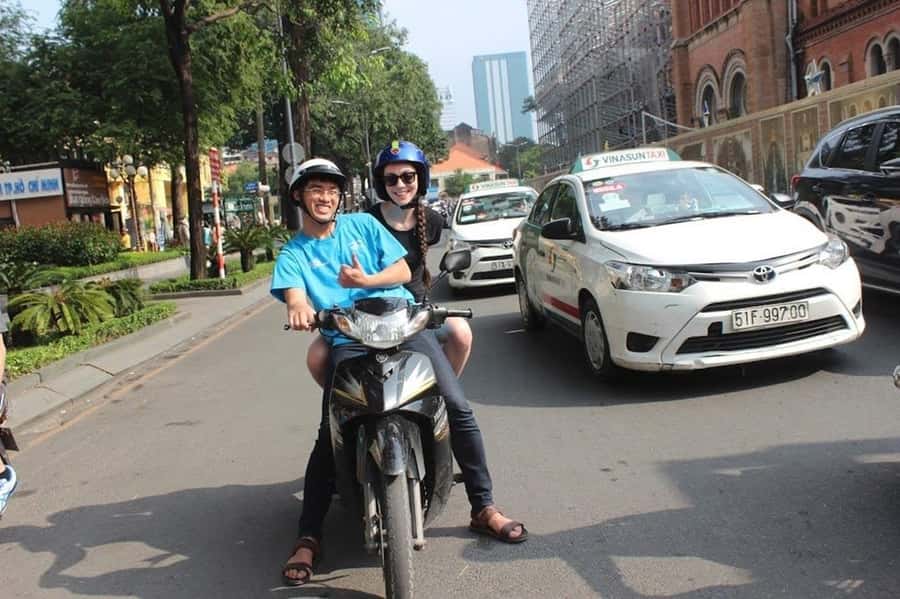
Five districts, one motorbike afternoon—and it makes Saigon feel personal fast. I love the way the ride strings together major landmarks and real neighborhood streets, so you don’t just see monuments—you see how people move through the city day to day. I also like the local touch: a guide team such as Harry or Lina helps explain what you’re looking at while you roll past everything from student spots to small markets.
The main consideration is simply the style of travel: this is a motorbike-focused outing, so you’ll want to feel comfortable riding in active traffic and making short stops quickly. The tour includes a rain poncho and a good helmet, which helps, but you should still dress ready for the weather and keep small valuables secure in crowded market areas.
In This Review
- Key highlights to know before you go
- Why a 4-hour motorbike circuit is better than box-checking Saigon
- District 1: Cathedral, Central Post Office, Nguyen Hue, and the “first impression” of Saigon
- District 3: Thich Quang Duc Monument, older streets, and quiet-yet-liveable neighborhoods
- District 10 and Ho Thi Ki Flower Market: big wholesale energy without the tourist script
- Districts 5 and 6 (Chinatown): markets for locals, plus On Lang Pagoda
- The coffee and meal stop: beef noodles plus Cheo leo Coffee
- Safety, comfort, and what you’ll actually be using during the ride
- Price and value: what $34 covers for a full district-spanning day
- Who this motorbike tour fits best (and who should skip it)
- Final call: should you book this Saigon motorbike experience?
- FAQ
- How long is the motorbike tour in Ho Chi Minh City?
- What’s included in the price?
- Where does the tour visit during the day?
- What kind of markets are included?
- Does the guide speak English?
- Are there cancellation and holiday surcharges?
Key highlights to know before you go

- Five districts in 4 hours: District 1, 3, 10, and 5–6 cover very different sides of Saigon.
- Market routes for daily life: rooster and birds market, fabric market, traditional Chinese medicine market, plus a big motorbike accessories hub.
- Historic and meaningful stops: Saigon’s older buildings, the Thich Quang Duc Monument, and iconic Central Post Office and Cathedral area.
- Ho Thi Ki Flower Market: Saigon’s biggest flower market where you can see lots of tropical and imported blooms.
- Watch coffee being made: Cheo leo Coffee, plus a meal and snacks along the way.
- Real-world safety add-ons: helmet, rain poncho, fuel, and a security-minded guide approach for stops and crossings.
Why a 4-hour motorbike circuit is better than box-checking Saigon
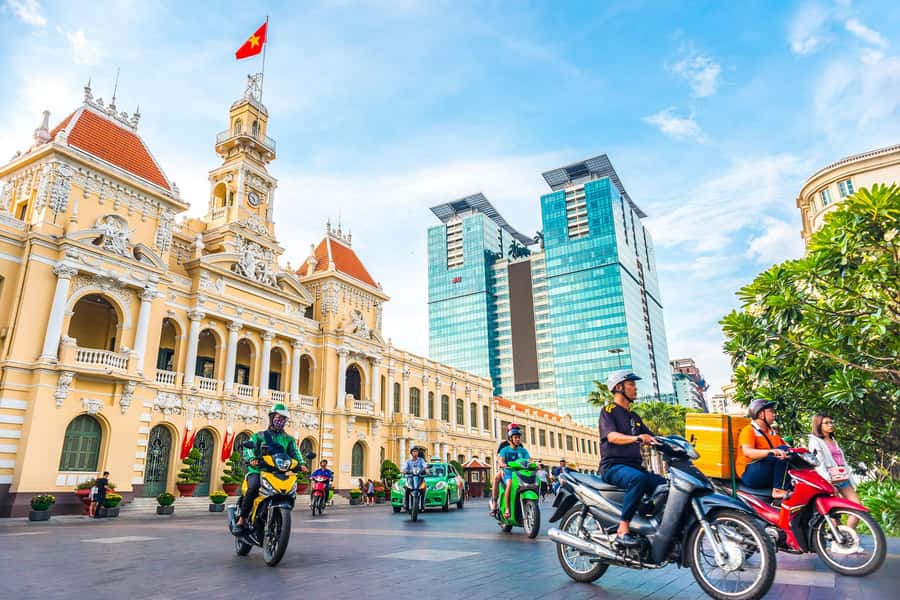
Saigon can feel huge and confusing fast, especially if you only rely on a map and a taxi. This tour works because it’s short, focused, and built around movement: you’re not sitting still for hours, you’re getting the city in motion, district by district, with an English-speaking friend on the handlebars.
You get a rare balance too. You’ll pass famous sights tied to the French colonial era, but you’ll also spend real time in places locals shop—markets where you can’t help but notice how trading, eating, and everyday routines fit together. And because it’s private, you’re not stuck with a slow group pace or forced into whatever photo stops everyone else wants.
District 1: Cathedral, Central Post Office, Nguyen Hue, and the “first impression” of Saigon
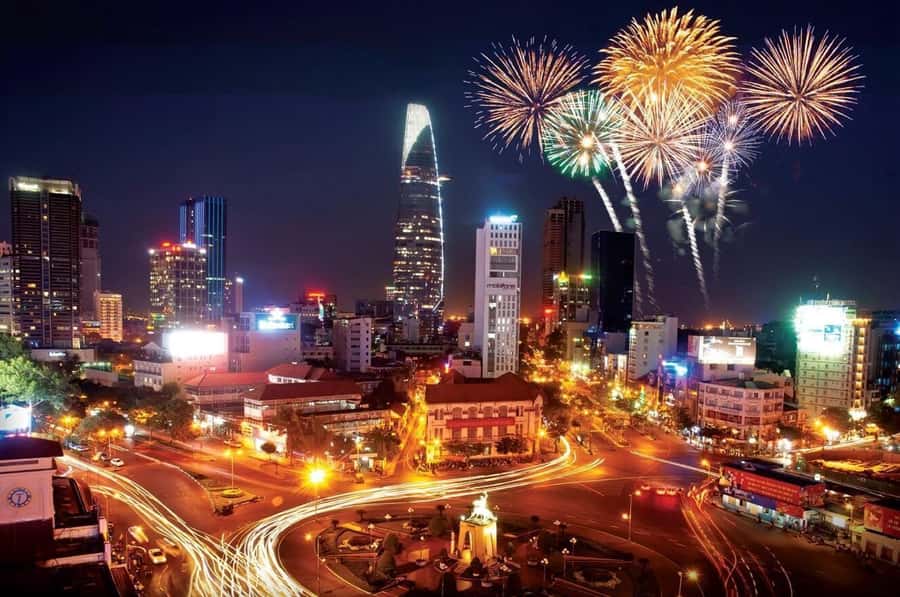
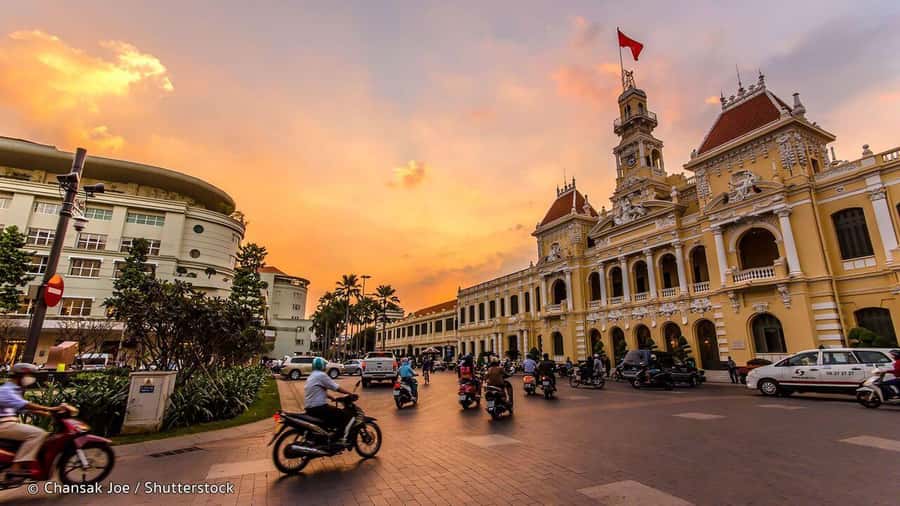
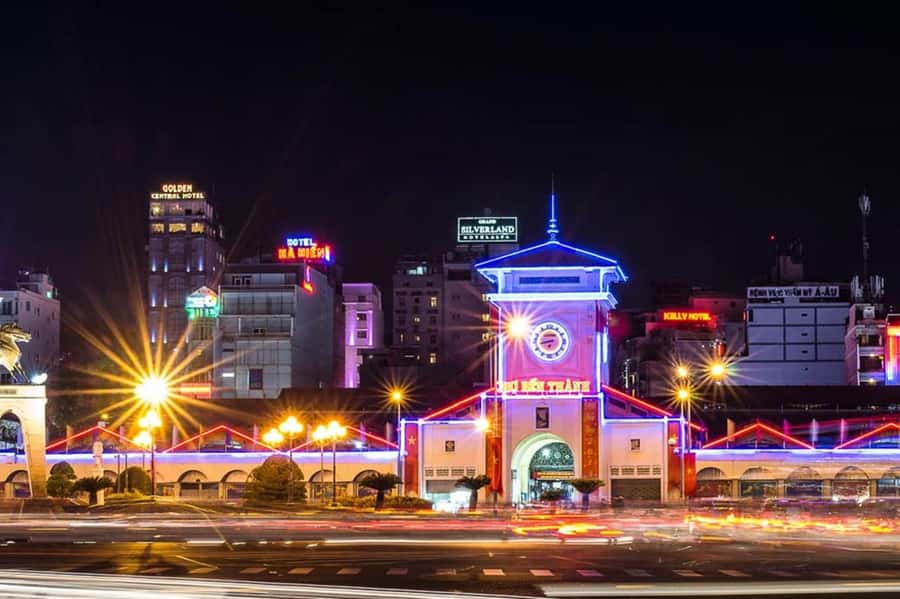
District 1 is the classic starting point for a reason: it sets your mental picture of Saigon. You’ll head past Saigon Notre-Dame Cathedral and the Central Post Office, then through the Nguyen Hue walking street area, which is where the city shows off both landmark energy and local street life.
One of the smartest parts here is the mix. After the big architecture moment, you also go to a Student Bet coffee style park stop, so you’re not only looking backward at old buildings—you’re seeing how people actually spend time now, especially younger crowds.
If you’re the kind of traveler who likes a clear “start line” for orientation, this district ordering helps. You come in expecting tourist sights, then you leave with a better sense of how the city’s flow connects to everything else later in the day.
District 3: Thich Quang Duc Monument, older streets, and quiet-yet-liveable neighborhoods
District 3 gives Saigon a different mood. You’ll visit the Thich Quang Duc Monument, tied to the June 1963 protest against persecution of Buddhism during the Vietnamese War. It’s not just a photo stop; it’s the kind of moment that changes how you understand the city’s past once you hear the context out loud while you’re standing there.
From there, the tour leans into older streets and small markets, plus some shopping areas that feel more like everyday errands than sightseeing. District 3 is also described as a middle-class area with a quiet and tranquil atmosphere, including French architecture villas, so you feel a contrast against the more central, high-visibility parts of town.
A standout practical stop is the Nguyen Thien Thuat apartment buildings area. It’s framed as one of the most outstanding examples of how the city’s residential life developed over time. If you want to see Saigon as a lived-in place—not just a postcard—this is where it clicks.
District 10 and Ho Thi Ki Flower Market: big wholesale energy without the tourist script
If you think markets are only for souvenirs, Ho Thi Ki Flower Market will correct that. You’ll go to Ho Thi Ki Flower market, described as Saigon’s biggest flower market and a wholesale market that never really stops. It’s exactly the kind of stop that makes the city feel functional and economic, not just scenic.
For flower lovers, this is an obvious win: you can see many types of tropical flowers and even imported varieties, and you’re in the kind of setting where prices and selection are meant for sellers, not casual browsing. For everyone else, it’s still worth it because the colors, sourcing, and sheer volume show a different layer of Saigon than the landmark loop.
Practical tip: wear shoes you can stand in for a bit, and expect the area to be busy. This is less about strolling slowly and more about taking in what’s being traded in real time.
Districts 5 and 6 (Chinatown): markets for locals, plus On Lang Pagoda
Districts 5 and 6 are where the day turns into hands-on street life. You’ll spend time in Saigon’s China town area and visit active shopping streets alongside several local-focused markets, including the roosters and birds market, fabric market, traditional Chinese medicine market, and the biggest motorbike accessories market in Saigon.
This cluster of stops matters because each market tells a slightly different story. The animal market shows up close-and-personal daily trading. Fabric gives you a sense of what people buy for clothing and home use. Traditional medicine points to how health and commerce sit side by side. And the motorbike accessories area reveals how strongly biking culture shapes everyday needs.
You’ll also visit On Lang Pagoda (also known as Quan Am and Hoi Quan On Lang). It’s described as the supposedly largest Chinese community pagoda in Ho Chi Minh City and one that currently supports both Vietnamese and Chinese Buddhists. That dual community detail is a useful takeaway for how cultures interact in the city’s public space.
If you’re worried this will feel too chaotic, you’re not wrong that markets can be loud and crowded. The value is that you’re going with a guide who can manage the pace and help you understand what you’re seeing while you move through the busiest parts.
The coffee and meal stop: beef noodles plus Cheo leo Coffee
A motorbike tour can either feed you well or just keep you on the move. Here, you get 1 main meal, plus local snacks and fruits and drinks during the ride. That’s important for a 4-hour schedule because you’ll likely spend more time outside your usual routine than you expect.
Food-wise, you’ll enjoy beef noodles, described as one of the most daily common breakfasts or lunches in Vietnam. It’s a safe, comforting choice that fits with the market-heavy day, and it keeps you energized for the later coffee stop.
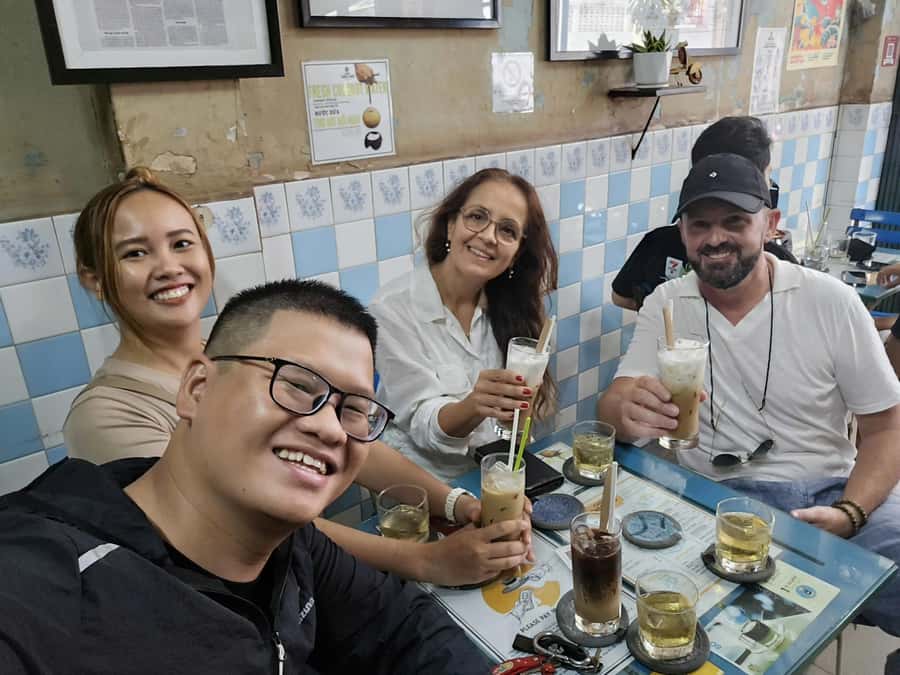
Then you head to Cheo leo Coffee, which is framed as one of the best coffees in Saigon. You’ll not only order the drink—you’ll also see the process of how they make the coffee, then enjoy a cup. Watching the steps helps you taste more attentively, and it turns a coffee break into something you can actually remember.
If you’re a coffee person, this stop is a strong reason to book. And if you’re not, the process viewing still breaks the day up in a good way so you’re not constantly on the street.
Safety, comfort, and what you’ll actually be using during the ride

This tour is designed to be practical on the road. You’ll get a good helmet, a rain poncho, and fuel included, which matters because Saigon weather can switch up quickly and you don’t want to be stuck scrambling for gear.
The other safety element is the way the tour is led: you ride with a friend who has excellent driving skills and warming hospitality. There’s also a bonus service included—a free amateur photographer and security service from your private guide—so stops are handled more like a guided outing than you trying to coordinate photos and movement yourself.
Still, be realistic: you’re on a motorbike, so you should come ready for close seating, quick turns, and short waits. If you hate tight schedules and prefer long indoor breaks, this may test your patience.
Price and value: what $34 covers for a full district-spanning day
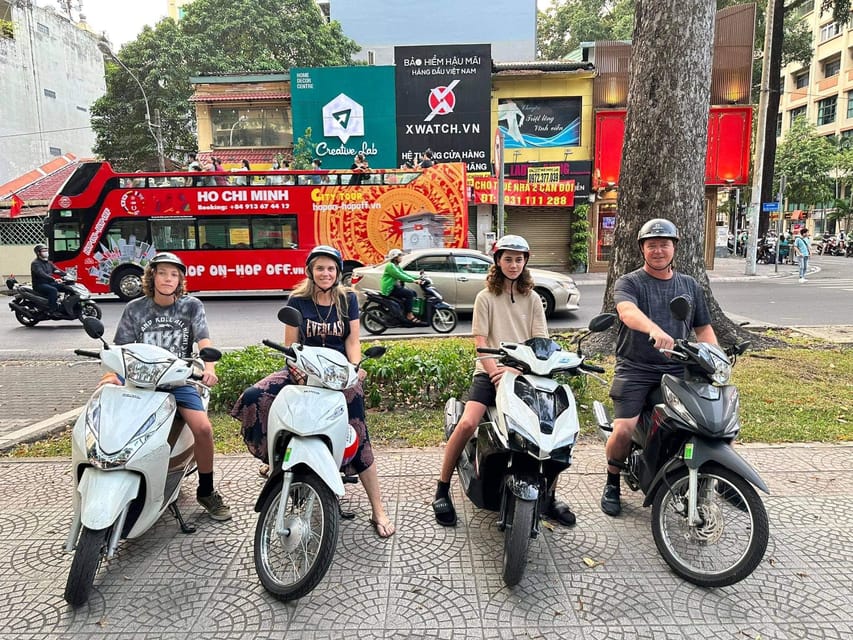
At $34 per person for 4 hours, the pricing feels fair only if you look at what’s bundled. You’re not just buying transportation. You get pickup and drop-off at the center of Saigon, a professional guide, and entrance fees. You also get the meal, snacks, fruits, and drinks, plus the helmet and rain poncho.
That combination is where the value really shows. If you tried to replicate this on your own, you’d spend time coordinating rides, figuring out routes between districts, and paying for small entries and guides separately—especially if you want meaningful context while you’re moving.
The only cost you might need to plan for is if you travel during Vietnam holidays, since a holiday surcharge is not included. If you’re booking for a peak period, it’s worth checking the final price.
Who this motorbike tour fits best (and who should skip it)
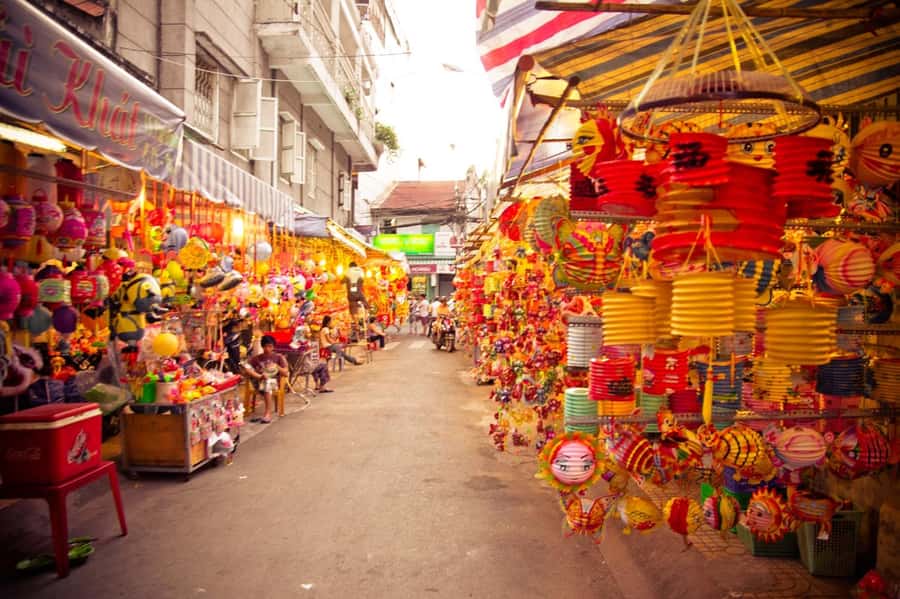
This tour is a good fit if you want Saigon in a compact time window and you like seeing a city from street level. It’s also a strong choice if you enjoy markets and food stops, because the route is built around places locals actually go: rooster and birds trading, fabric shopping, medicine markets, and wholesale flowers.
You’ll also like it if you appreciate context with your sightseeing. Stops like the Thich Quang Duc Monument and the older apartment-area viewpoint don’t feel like random stops; they’re included to explain how Saigon has shaped and been shaped by its own history.
Skip it if you want a slow-paced, museum-heavy day. This outing prioritizes movement and multiple districts over long stays in any one place. It’s also less ideal if motorbikes feel stressful to you personally.
Final call: should you book this Saigon motorbike experience?
If you want a short, structured way to understand Saigon without getting lost, I’d book it. The $34 price makes sense when you remember what’s included: five-district coverage, market-focused street time, entry fees, and the food-and-coffee rhythm that keeps the day enjoyable.
One smart reason to choose it: you’re riding with someone who speaks English and can handle the driving while you learn what each area is for. And with guides who have led groups like Harry, Binh, Phuong, Son, Truc, or Lina, you’re likely to get that combination of explanations plus practical help.
If you’re unsure about market crowds or motorbike comfort, treat that as the deciding factor. Otherwise, this tour is exactly the kind of city day that helps Saigon stop being intimidating and start feeling familiar.
FAQ
How long is the motorbike tour in Ho Chi Minh City?
It lasts 4 hours.
What’s included in the price?
Pickup and drop-off at the center of Saigon, a friendly professional tour guide, English-speaking guide service, 1 main meal, local snacks/fruits/drinks, entrance fees, a good helmet, rain poncho, and fuel. There’s also a bonus amateur photographer and security service from your private guide.
Where does the tour visit during the day?
You’ll go through District 1, District 3, District 10, and District 5 and 6. Key stops include Saigon Notre-Dame Cathedral and Central Post Office area, Nguyen Hue walking street, Thich Quang Duc Monument, Ho Thi Ki Flower market, On Lang Pagoda, and multiple local markets.
What kind of markets are included?
You’ll visit market areas such as the rooster and birds market, fabric market, traditional Chinese medicine market, the biggest motorbike accessories market in Saigon, and Ho Thi Ki Flower market.
Does the guide speak English?
Yes. The tour offers an English-speaking tour guide, and other languages are available with a surcharge.
Are there cancellation and holiday surcharges?
The tour offers free cancellation up to 24 hours in advance for a full refund. A surcharge for holidays in Vietnam is not included.