REVIEW · HO CHI MINH CITY
Ho Chi Minh City: Street Food and Sightseeing by Motorbike
Book on GetYourGuide →Operated by CONNECT CULTURE CO.,LTD · Bookable on GetYourGuide
Street food in Saigon hits different. This motorbike tour strings together local lanes and classic dishes, plus a few stops that show how different communities live side by side.
I especially like the mix of “how people actually live” with food. You’ll visit an old apartment in the oldest district and then ride into District 5 for China Town markets and a temple tied to Chinese religious life.
One thing to consider: it’s a real motorbike ride through traffic, and it’s not suitable for pregnant women, wheelchair users, or people over 70. If you’re sensitive to motion or crowds, plan carefully and wear comfortable clothes.
In This Review
- Key things you’ll love (and why)
- Motorbike Street Food in Ho Chi Minh City: Why It Works So Well
- Pickup, Gear, and What You Should Wear for a Two-Hour Ride
- District 3 Old Apartment Visit: Seeing Saigon From Inside Real Homes
- The Flower Market Stop: A Quick Lesson in City Rhythm
- District 5 China Town Markets: Lanterns, Medicine, and Temple Life
- Floating Market in Old Saigon: Why It’s Included (Even If You’ve Seen One Before)
- Food Stops That Actually Fill You Up: Noodles, Pancakes, Coffee, and Drinks
- Night-Food Option: More Local Restaurants, Less Tour-Edge
- Motorbike Safety and Comfort: How This Tour Handles the Hard Part
- Price and Value: What You Get for About $16
- Who This Tour Fits Best (And Who Should Skip It)
- Should You Book This Ho Chi Minh City Street Food Motorbike Tour?
- FAQ
- How long is the tour?
- Is hotel pickup included?
- Where is the meeting point if I’m not in the pickup zones?
- What’s included in the price?
- Do I need to pay extra during the tour?
- Can I upgrade the experience?
- What should I bring?
- Is the tour suitable for everyone?
- Is alcohol allowed?
Key things you’ll love (and why)
- Motorbike-first sightseeing: You’ll reach places walking tours usually miss.
- District 3 apartment visit: You get a direct look at everyday life in the oldest neighborhood.
- Chinatown in District 5: Markets for lanterns and Chinese medicine, plus a Chinese temple stop.
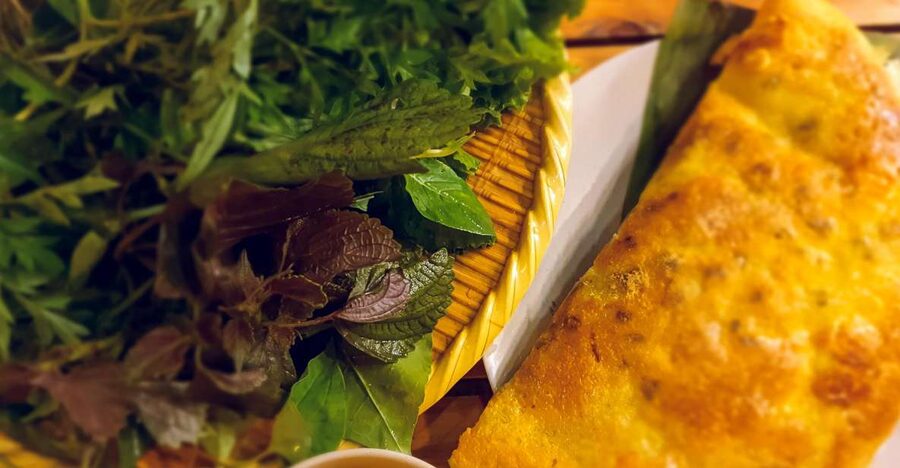
- Street-food variety: Classic picks like beef noodle soup and Vietnamese pancakes, plus drinks.
- Old Saigon atmosphere: A floating market stop and night-food energy in local restaurants.
Motorbike Street Food in Ho Chi Minh City: Why It Works So Well
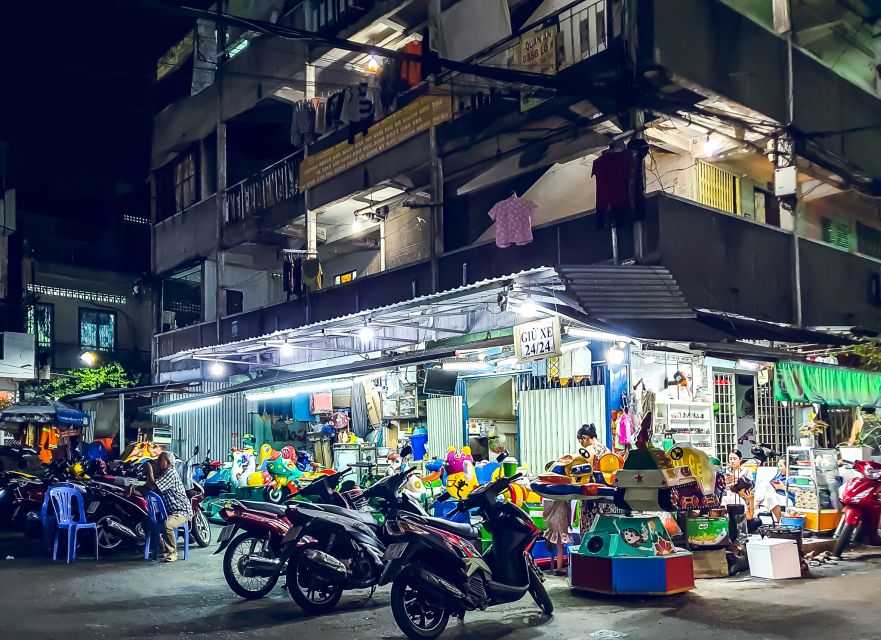
If you want Saigon to feel like a living city, not a photo set, this format helps. A motorbike gets you through the tight center streets and into neighboring districts fast, without you having to guess routes or battle public transport on your first day.
You also get a built-in guide for the details that matter. On this tour, you’re not just eating; you’re learning why certain dishes show up where they do, what the markets are selling, and how the city’s Chinese community adds its own religious and shopping rhythm.
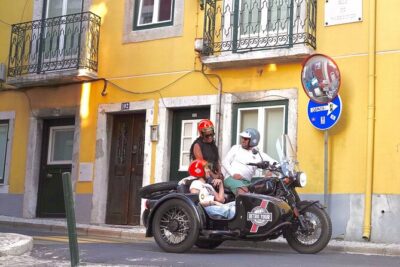
And yes, it can feel like a roller coaster ride at times. But the tour includes helmets and ponchos, and the guides you might ride with (names like Vincent, Vi, Vu, Peace, Danny, Tim, Seng) are described as fun and professional, with good English and a focus on keeping things moving safely.
Pickup, Gear, and What You Should Wear for a Two-Hour Ride
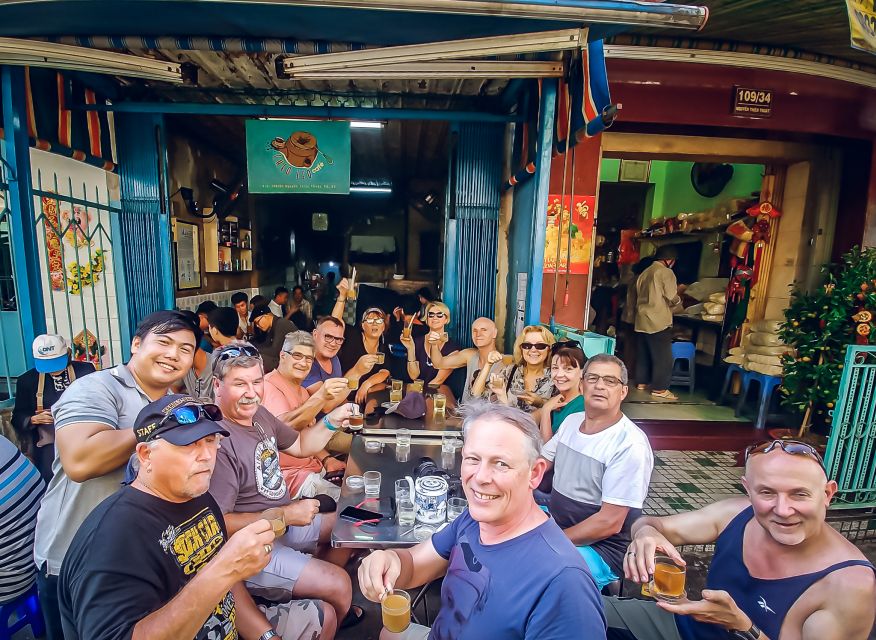
The tour is built around pickup and drop-off in Districts 1, 3, and 4. If you’re outside those areas, there’s a $5 per person surcharge added by the operator on the service day, so check your hotel location before you assume pickup is free.
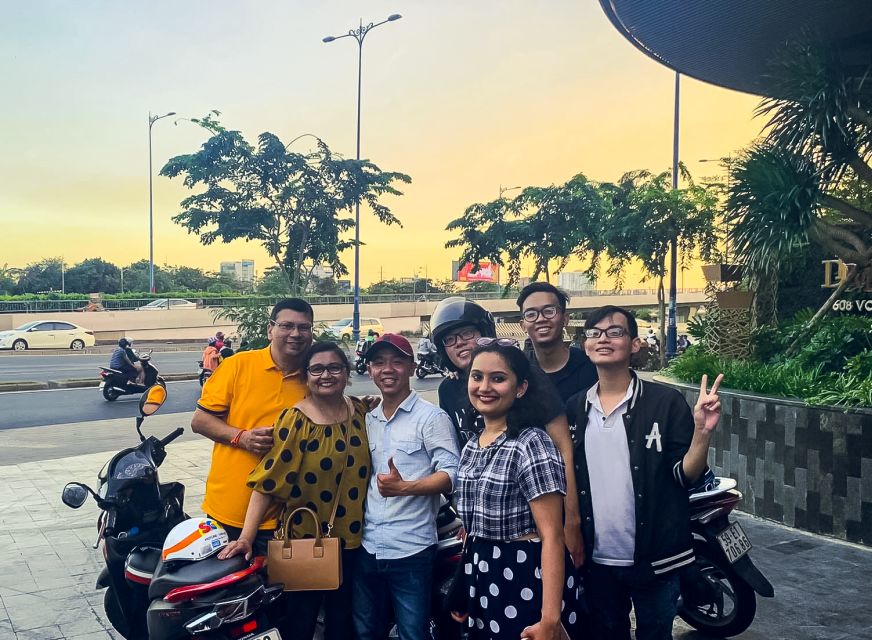
You’ll meet at your hotel lobby about 5 minutes before departure. The tour provides motorbikes, helmets, and ponchos, which matters because Saigon’s weather can shift and because you’ll be out long enough to appreciate gear that actually fits the job.
For clothes, I’d keep it simple: wear breathable tops and pants/skirts you can sit comfortably in for a while. Comfortable shoes are a must since you’ll step off the bike for food stops and walking through markets and alleys.
One practical tip: bring cash. Not because you have to pay extra for the food (that’s included), but because you might want small purchases like drinks, coffee, or market items while you’re out.
District 3 Old Apartment Visit: Seeing Saigon From Inside Real Homes
This is the “slow down” moment in a tour that’s otherwise all motion. District 3 is described as the city’s oldest neighborhood, and the highlight here is an old apartment that helps you understand how locals live in tight, everyday spaces.
What makes this stop valuable is the contrast. Saigon can look flashy from the main roads, but you only understand the city when you see the human-scale details: where people gather, how routines work, and what “home” looks like outside the big hotels.
It’s also a nice balance to the later market chaos. After you’ve watched vendors sell, fought your way through alleyways (from the bike seat), and sampled multiple dishes, the apartment visit brings the story back to life.
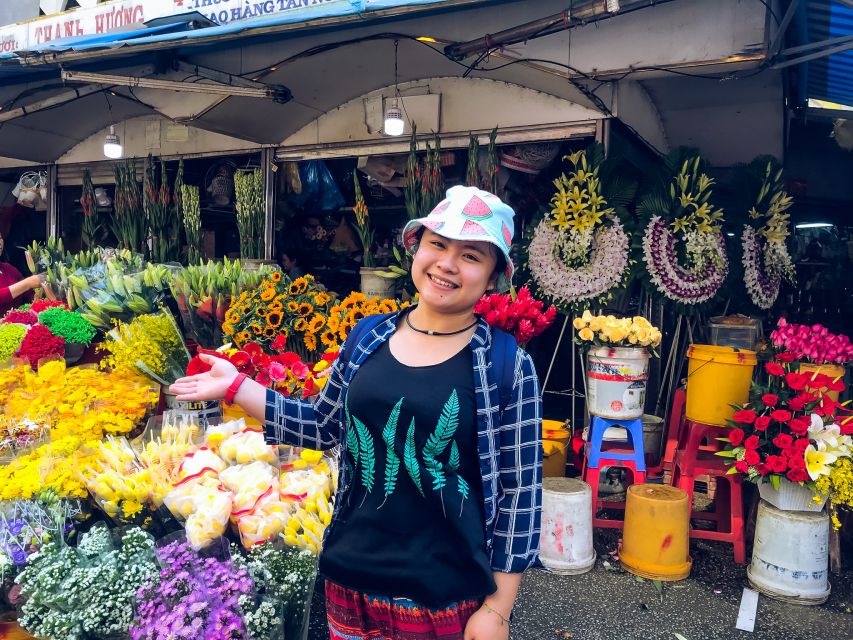
The Flower Market Stop: A Quick Lesson in City Rhythm
After the apartment visit, you’ll head toward a large flower market. This is one of those stops that sounds simple until you see the variety in person—flowers are big business here, and they’re tied to daily life, celebrations, and household routines.
I like this stop because it gives you something to look at besides plates. You’re learning the city as a system: where people buy what they need, how commerce moves through the center, and what’s busy even before the food runs start.
Also, markets are where your guide’s local context shows. You’ll get explanations about what you’re seeing, and it helps you appreciate why certain streets and stalls matter.
District 5 China Town Markets: Lanterns, Medicine, and Temple Life
This is the part of the tour that makes the phrase “different Saigons” feel real. You’ll spend time in one of the biggest China Town areas in District 5, where shopping isn’t just one theme—it’s multiple micro-cultures under one roof of streets.
Expect stops connected to:
- a motorbike market
- a Chinese lantern market
- a Chinese medicine market
Then you’ll visit a typical temple focused on the religious cultures of Chinese communities. This isn’t just a sightseeing checkbox. It helps you connect the market goods to the beliefs and daily needs that keep people coming back.
One practical drawback: markets can be crowded and visually intense. If you get overwhelmed in busy spaces, take your time, keep your phone secure, and listen closely to your guide for where to stand and when to move.
Floating Market in Old Saigon: Why It’s Included (Even If You’ve Seen One Before)
You’ll go to a floating market in old Saigon, which gives the tour a change of pace from alleys and shopping strips. Even if you’ve visited other floating markets elsewhere, the value here is context: it’s part of the same city story you’re already building through District 3 and Chinatown.
Floating-market stops also tend to make you slow down and observe. Boats, stalls, and on-the-water commerce force you to understand the city’s geography and how people adapt their daily life to the environment.
It’s a good mid-to-late tour anchor: you move from land-based markets to water-based activity without losing the thread of “how locals buy and eat.”
Food Stops That Actually Fill You Up: Noodles, Pancakes, Coffee, and Drinks
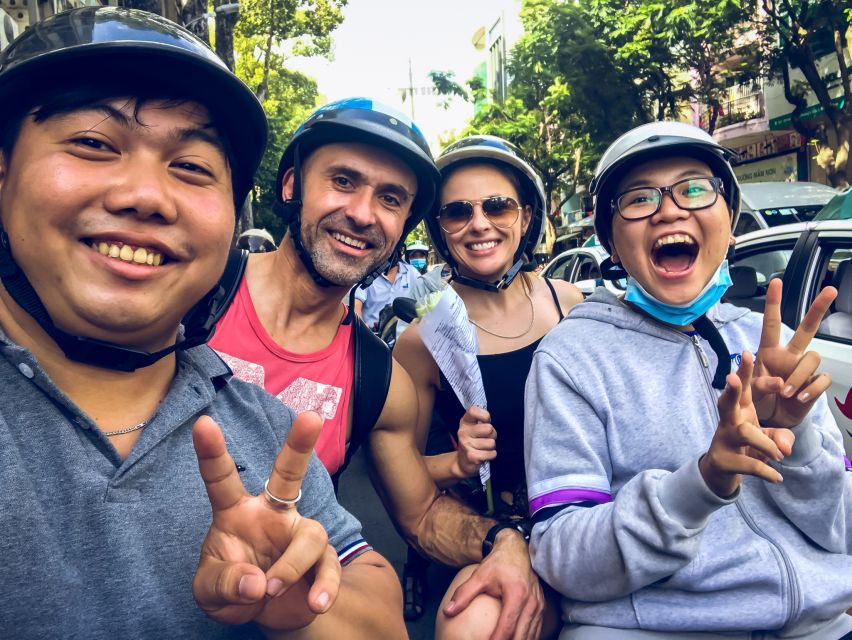
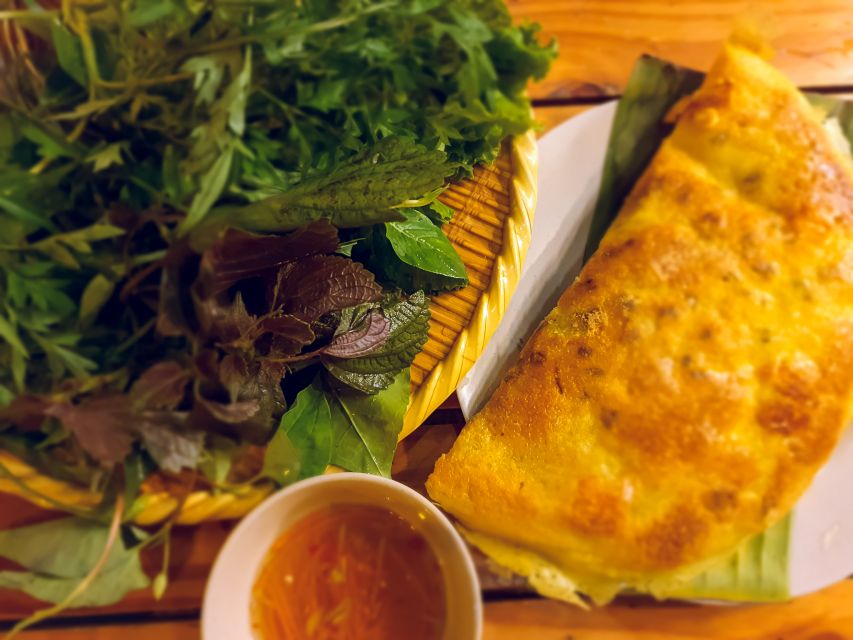
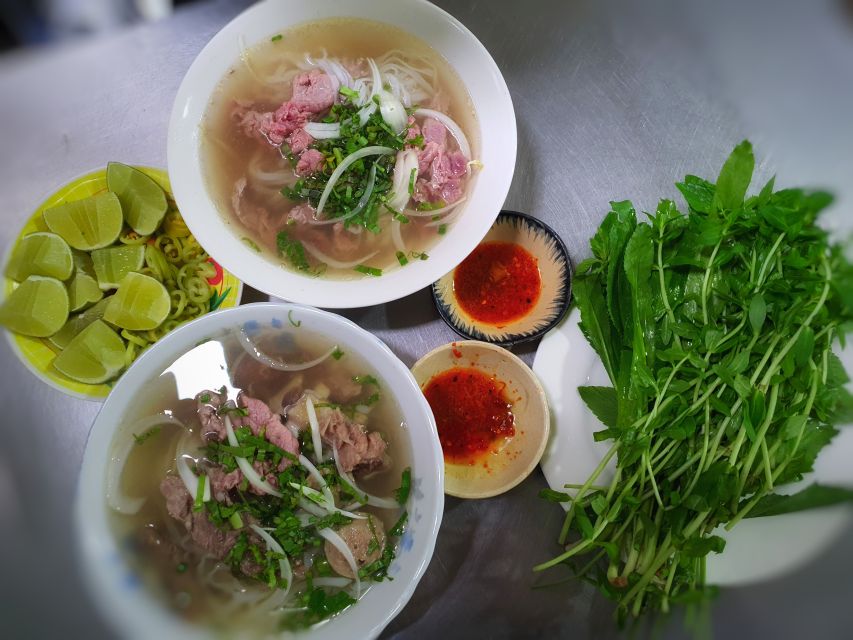
Street food is the main event, and you’re not stuck with one snack. The tour is set up so you sample multiple dishes and drinks along the ride, with food covered by the tour price.
From the details you’re given, you can count on examples like:
- beef noodle soup
- Vietnamese pancakes
- Vietnamese coffee (some tours include time to buy coffee and take it away)
A lot of people think street-food tours are just a buffet of random items. This one works better because it pairs food with the surrounding neighborhoods and markets, which makes each dish feel like it belongs somewhere.
I’d also pay attention to how your guide explains the choices. The best part of food tours isn’t only tasting; it’s learning what to order next time so you can repeat the win on your own.
Night-Food Option: More Local Restaurants, Less Tour-Edge
If you book the night food tour, you’ll swap the timing. Instead of going when the China Town crowds are already winding down, your guide takes you to busy local restaurants for more Vietnamese food.
That difference matters. Late afternoon in popular areas can be “done” already, while evening is when people actually sit down, eat slowly, and talk. You’ll get a better feel for the city’s real dinner rhythm.
You’ll also drive through the Saigon Old Mafia Area, described as a big food paradise nowadays. I’d treat this as a street-level vibe stop: it’s less about official landmarks and more about showing you where people go when they want comfort food.
Motorbike Safety and Comfort: How This Tour Handles the Hard Part
Let’s be honest: motorbike tours either feel safe and controlled, or they feel stressful. Here, you’re given helmets and ponchos, and the guides are described as professional and cheerful, with lots of conversation and humor.
Multiple guide names come up in the feedback—Vincent and Seng, Vi and her colleague, Vincent and Danny, and others like Storm and Tom—so the common theme is an experienced local rhythm. The ride style is typically about weaving through side streets and short alley passages, not reckless speed.
Your job as a rider is simple:
- keep a steady posture
- hold on comfortably without clenching
- wear clothes that don’t snag easily
If you’re prone to motion sickness, this is the biggest “maybe” on your list. You’re riding, then walking briefly, then riding again. It’s short stretches, but it’s still a motorbike experience.
Price and Value: What You Get for About $16
At around $16 per person for roughly 2 hours to 210 minutes, the value comes from bundling three things that normally cost more separately:
- hotel pickup and drop-off (for Districts 1, 3, and 4)
- transport via motorbike with gear
- all food and drinks
You’re not just buying street snacks. You’re paying for guided access to multiple districts—District 3, District 5, and old Saigon—plus stops like an old apartment and a temple.
That’s why this feels like a good first taste of the city. In a few hours, you get a lot of “I can’t do this alone yet” moments: what to order, where to go, and how to read the city beyond one landmark.
Possible extra costs to keep in mind:
- if your hotel is outside the pickup districts, there’s that $5 surcharge
- on private-tour options, there’s a listed $5 per person surcharge
- Female áo dài rider upgrade is $10 extra per person
- you can also request a car or van with set surcharges (50 or 70), if you prefer that
Who This Tour Fits Best (And Who Should Skip It)
This is a great match if you:
- want a fast, street-level way to see several districts
- like food that varies by neighborhood and market
- feel comfortable with the idea of riding a motorbike in city traffic
It’s not a match if you’re:
- pregnant
- using a wheelchair
- over 70
- someone who can’t handle motorbike motion or crowded market areas
For most first-time visitors, this works as a strong introduction to the city’s food culture and its Chinese community influence—lanterns, medicine shops, and temple life tied directly to daily routines.
Should You Book This Ho Chi Minh City Street Food Motorbike Tour?
If you want Saigon to feel local fast, I’d book it. The price is low enough that you’re taking a smart “try it and eat a lot” bet, and the stops are spread out in a way that tells a real story: old homes, Chinatown markets, and old Saigon food scenes.
I’d only hesitate if you’re sensitive to motorbike rides or if you’re looking for a slow, museum-style experience. This tour is about movement and eating, not quiet time.
If you’re ready for a controlled, guided motorbike ride plus real street food, you’ll likely finish the tour with two things you can use right away: a list of dishes to chase again and a better map of where each part of the city “lives.”
FAQ
How long is the tour?
It runs for about 2 hours, with the listed duration range up to 210 minutes depending on the start time and the option you choose.
Is hotel pickup included?
Yes, pickup and drop-off are included for hotels in Districts 1, 3, and 4. If you’re outside those areas, a $5 per person surcharge is charged by the operator on the day of the service.
Where is the meeting point if I’m not in the pickup zones?
The tour notes a meeting point at 212 Lê Lai, Phường Phạm Ngũ Lão, Quận 1, Hồ Chí Minh (also referenced as the Saigon Opera House).
What’s included in the price?
The tour includes English-speaking guides, motorbikes, helmets, and ponchos, plus all food and drinks on the tour and photos. Personal expenses are not included.
Do I need to pay extra during the tour?
The listed base price covers food and drinks, but you should budget for any personal expenses. Extra surcharges can apply for hotels outside the pickup districts and for private or upgraded options.
Can I upgrade the experience?
Yes. Options include upgrading for a Female áo dài rider for an extra $10 per person, or adding a car (50 USD surcharge) or a 16-seat van (70 USD surcharge). The vehicle option needs to be booked before 24 hours.
What should I bring?
Bring comfortable shoes and clothes, a camera, and cash.
Is the tour suitable for everyone?
No. It’s not suitable for pregnant women, wheelchair users, or people over 70.
Is alcohol allowed?
Alcohol and drugs are not allowed on the tour.