REVIEW · HO CHI MINH CITY
Saigon City Motorbike Tour
Book on GetYourGuide →Operated by Vn biketour · Bookable on GetYourGuide
Saigon by scooter hits different, because you weave through big landmarks and then into quieter back streets, guided in English by drivers built for 7 million motorbikes and English-speaking storytelling. I love how this tour doesn’t treat Saigon like a photo stop list. It uses the ride itself to help you understand how the city actually works.
You’ll also love the balance of iconic places and everyday life, from District 1’s French-era center to District 10’s wholesale flower chaos, with a solid pace over 4 hours. The main drawback to know up front: if you’re easily bothered by close, constant traffic noise and motion, this is still a motorbike tour, not a calm walking day.
In This Review
- Key Things I’d Not Skip
- Why Saigon by Scooter Works Better Than Any Bus Ride
- Safety, Helmets, and the Real Traffic You’ll Feel
- Pickup, Timing, and How to Choose Your Ride Window
- District 1: Cathedral, Post Office, and Nguyen Hue Street Culture
- District 3: Thich Quang Duc Monument and the Story Behind It
- Districts 5 and 6: Chinatown Markets and the Stuff You’ll Actually Want to Browse
- District 10 Flower Wholesale Market: Where Color Meets Wholesale Prices
- Saigon River in Districts 8 and 4: Real Life Along the Water
- District 7: Japanese and Korean Town and the Gated-Community Contrast
- Food and Breaks: One Main Meal Plus Snacks, Fruit, and Unlimited Drinks
- Price and Value: Why $31 Can Make Sense Here
- Who This Tour Is Best For
- Should You Book This Saigon City Motorbike Tour?
- FAQ
- How long is the Saigon city motorbike tour?
- What time options are available?
- Is pickup and drop-off included?
- What’s included in the price?
- What should I bring and wear?
- Are pets allowed?
Key Things I’d Not Skip
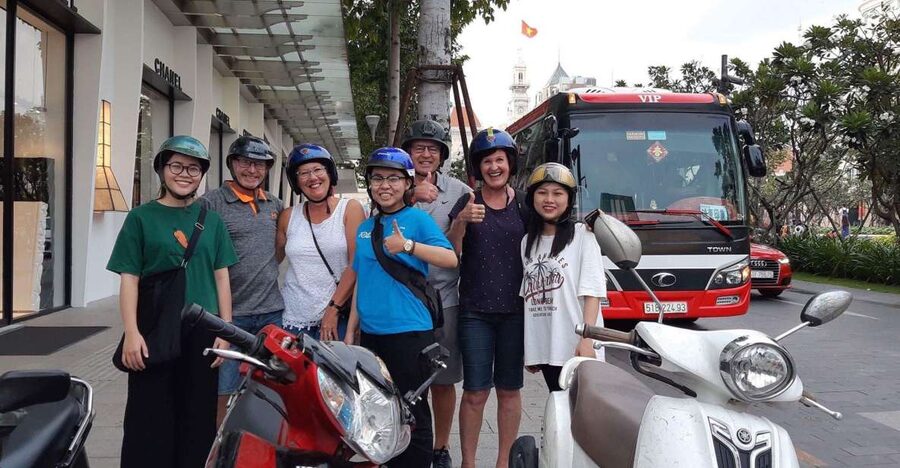
- Safety-first driving in scary traffic: the staff’s whole job is handling rush-hour flow while keeping you comfortable.
- Seven-plus districts in one ride: you get wide coverage without spending your day crisscrossing by taxi.
- District 1 landmarks plus youth street life: Notre-Dame Cathedral and the Central Post Office sit right next to how people actually hang out.
- Flower market pricing that feels real: District 10 is wholesale, so you get big selection without the same tourist markup.
- Chinatown shopping streets you can’t find on your own: markets for birds, fabric, Chinese medicine, and even motorbike accessories.
- Saigon River contrast: you see both rougher riverside housing and the car-free calmer zones along the water.
Why Saigon by Scooter Works Better Than Any Bus Ride
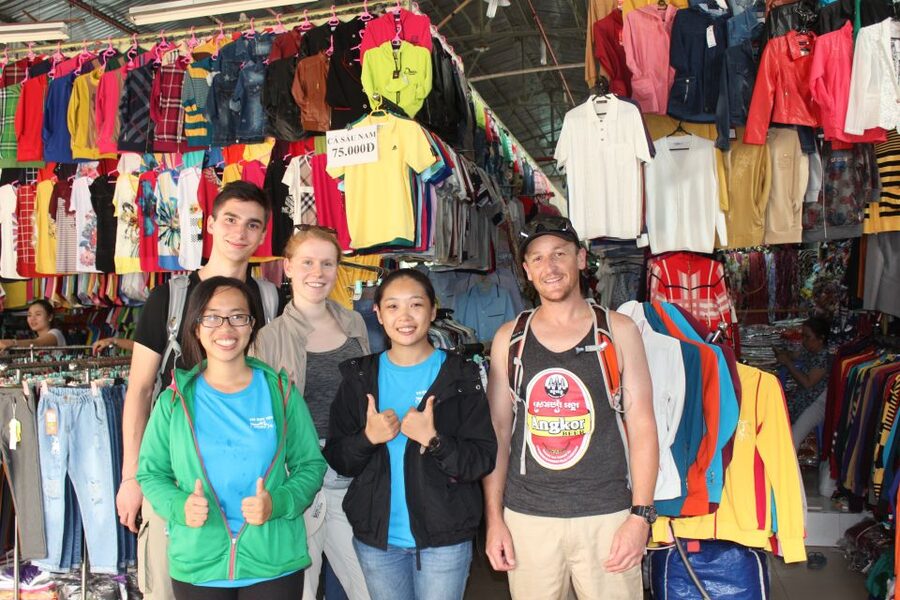
Saigon (Ho Chi Minh City) is too fast and too spread out to really learn on foot. The scooter tour format fixes that. In four hours, you cover a lot of ground across multiple districts, and you do it the way locals do: keeping moving through dense streets.
The best part is the mix. Yes, you’ll see the famous center—Saigon Notre-Dame Cathedral, the Central Post Office, and Nguyen Hue walking street. But you’re also taken to local neighborhoods that feel less curated: market streets, riverside areas, and the contrast zones where wealth and everyday life collide. That contrast is one reason the tour works so well for a first or second day. It helps you get your bearings fast.
I also appreciate that you’re not just dropped at sites. You’re on a bike, with an English-speaking guide who connects what you’re seeing to why it matters—history, religion, trade, and daily routines.
Safety, Helmets, and the Real Traffic You’ll Feel
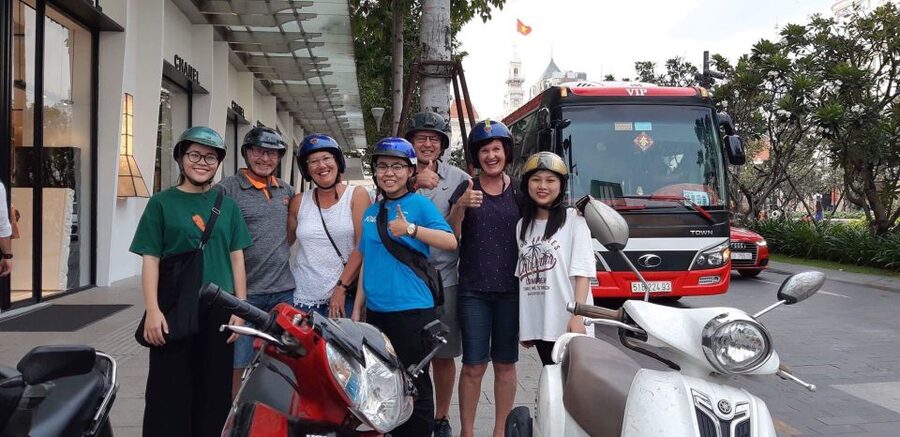
Let’s talk about what can make people hesitate: Saigon traffic is its own character. The tour is built around a safe, controlled way to experience the chaos, often described as a fun traffic jam surrounded by around 7 million motorbikes.
You’ll be given a helmet and a rain poncho. Drivers are described across guides as professional and defensive in their approach. Reviews repeatedly point out that passengers felt at ease, even when the passenger had ridden motorbikes before but still worried. That’s a good sign, because it suggests they don’t just know the routes—they manage passenger comfort.
What you should do on your side is simple: wear comfortable shoes, hold on steady, and don’t fight the motion. If you can accept that this is travel by scooter first and sightseeing second, the experience clicks. You’re not watching Saigon from behind glass; you’re moving with it.
Pickup, Timing, and How to Choose Your Ride Window
The tour runs four hours, with set departure blocks: morning (8:00 AM to 12:00 PM), afternoon (1:00 PM to 5:00 PM), and evening (6:00 PM to 10:00 PM). Morning and afternoon are great if you want daylight for architecture, markets, and the riverfront contrast. Evening tends to add atmosphere, especially around main streets and food.
Pickup is included at your accommodation in Saigon, and the tour ends back in the city with drop-off at your lodging area. That matters in Ho Chi Minh City, where getting across districts on your own can turn into a guessing game.
If you’re staying in a central area, you’ll likely lose less time waiting around, and you’ll start actually seeing things right away. If you’re coming in from elsewhere in Vietnam, pick a day when you’re not exhausted. Four hours on a scooter is very doable, but it still takes attention.
District 1: Cathedral, Post Office, and Nguyen Hue Street Culture
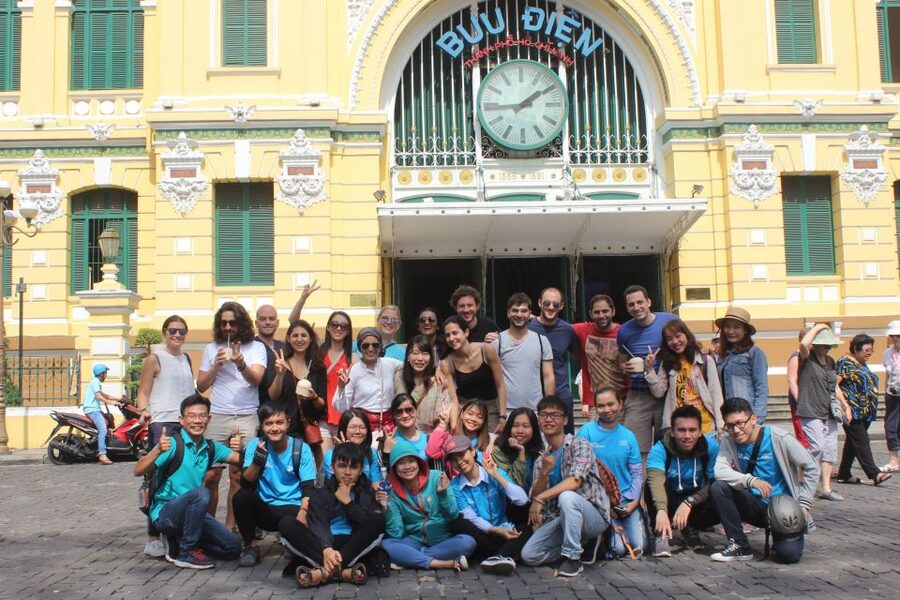
District 1 is the classic “start here” zone, and this tour uses it well. You’ll pass Saigon Notre-Dame Cathedral, the Central Post Office, and Nguyen Hue walking street. That combination gives you both architecture and street energy in one section.
The cathedral and the post office let you see the French colonial influence in a way that feels immediate, not academic. Then Nguyen Hue adds the human layer: youth activity, street scenes, and that particular downtown momentum that makes Saigon feel like a living city rather than a museum.
One thing I like about the way this tour approaches District 1 is that it doesn’t stop at the big postcard structures. You also get time around areas where people actually gather, which helps you understand why Saigon has a reputation as a promised land for locals drawn from other parts of Vietnam.
Practical tip: bring comfortable shoes even if you’re mostly riding. You’ll still walk a bit around landmarks and between stops.
District 3: Thich Quang Duc Monument and the Story Behind It
District 3 brings a quieter, more thoughtful tone. You’ll visit the Venerable Thich Quang Duc Monument. Thich Quang Duc was a monk who burned himself to death in June 1963 as a protest against the persecution of Buddhism during the Vietnamese War period.
That kind of stop changes the feel of the tour. It’s not just pretty buildings; it’s a specific moment in history tied to religion and political pressure. An English guide helps you place it in context so you don’t just see a statue and move on.
District 3 is also described as a middle-class area with a calmer atmosphere and French architecture villas. That matters because it adds another layer to Saigon’s story: you’re not only looking at the dramatic center or crowded markets. You’re also seeing an older, more residential side with quieter rhythms.
If you like history but hate lecture-style tours, this is the sweet spot. The monument gives you a real anchor, and then the ride continues so you don’t get stuck in one mood.
Districts 5 and 6: Chinatown Markets and the Stuff You’ll Actually Want to Browse
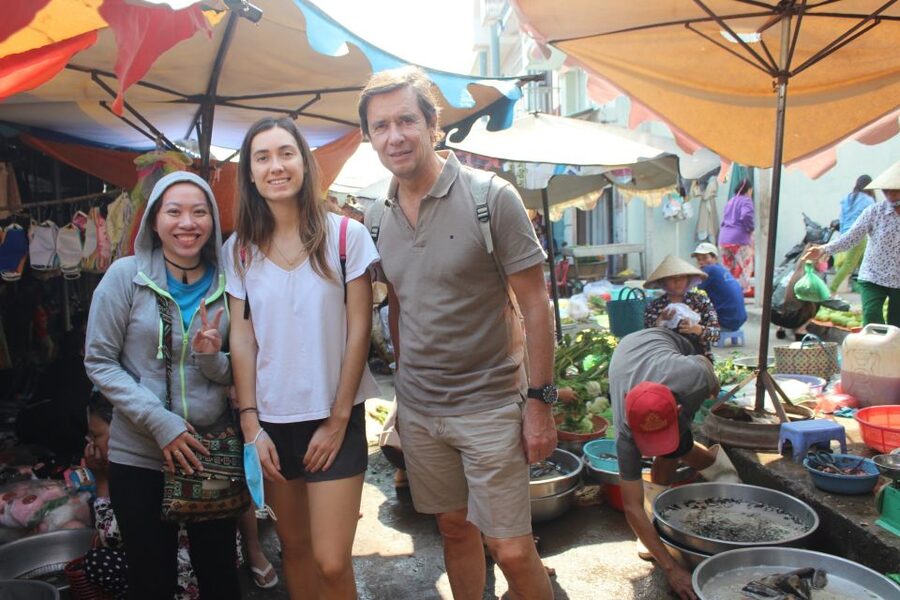
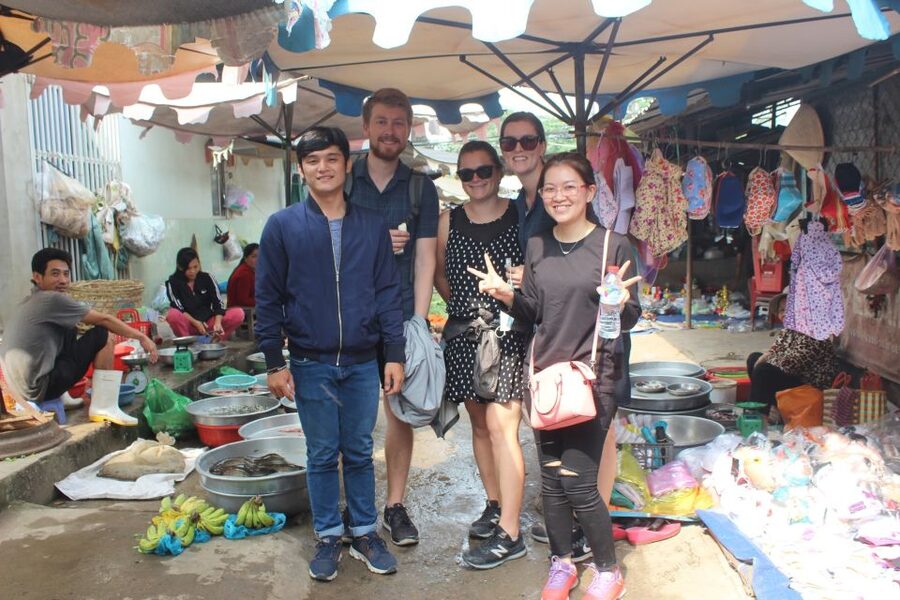
When the tour heads into Chinatown areas, the focus shifts from monuments to everyday trade. District 5 and 6 are where you can spot busy shopping streets and traditional markets locals use.
You may visit markets like:
- rooster and birds market
- fabric market
- traditional Chinese medicine market
- and a motorbike accessories market
That last one is especially fun if you’ve ever watched scooters roll by and wondered how they keep them running. Seeing the accessories market helps you understand the city as a machine: parts, repair, and daily upkeep are part of how life functions.
The tour also aims to explain how Chinese and Vietnamese communities live and trade together here. That’s an important context because Chinatown in Saigon has its own texture. It’s not just a single tourist zone; it’s a working neighborhood with real commerce.
One practical note: markets can be crowded. Go slow, look around, and don’t expect everything to be neat and signposted like a mall. You’re there to watch the real flow, not to collect a checklist.
District 10 Flower Wholesale Market: Where Color Meets Wholesale Prices
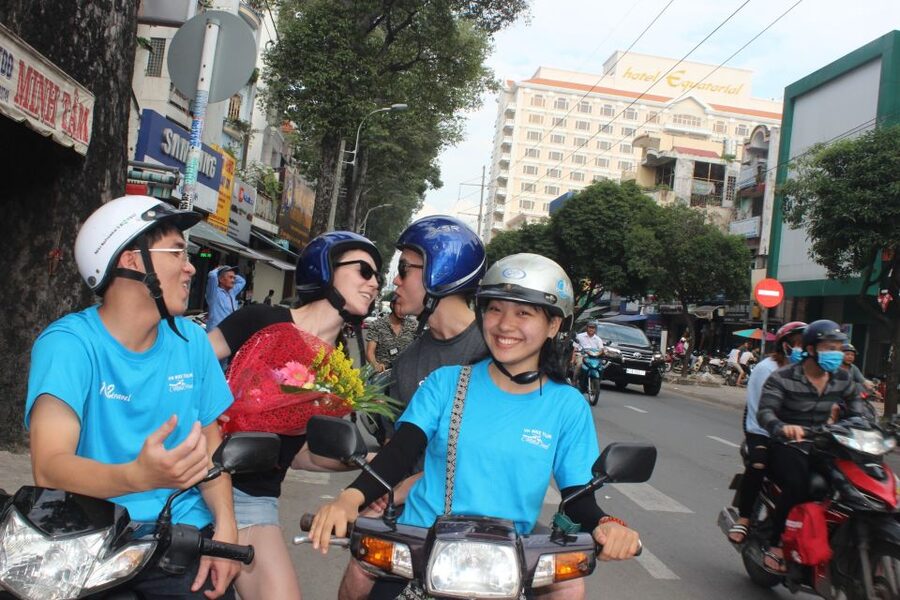
District 10 is famous for its flower market, and this is one of the stops where the tour leans into sensory wow. You’ll go to a wholesale market with a huge selection of tropical flowers plus imported varieties, and the pitch is straightforward: reasonable prices compared to what you’d expect elsewhere.
The value here is not only the photos. Wholesale markets teach you something. You get to see how flowers move through the supply chain, and you see buyers and sellers operating at a scale that feels very local.
If you’re a flower lover, this is the kind of stop that can steal the entire afternoon of your imagination, because the variety is intense and the pricing feels grounded. Even if you’re not buying, it’s a vivid reminder that Saigon’s economy is built on small services that become major industries.
Saigon River in Districts 8 and 4: Real Life Along the Water
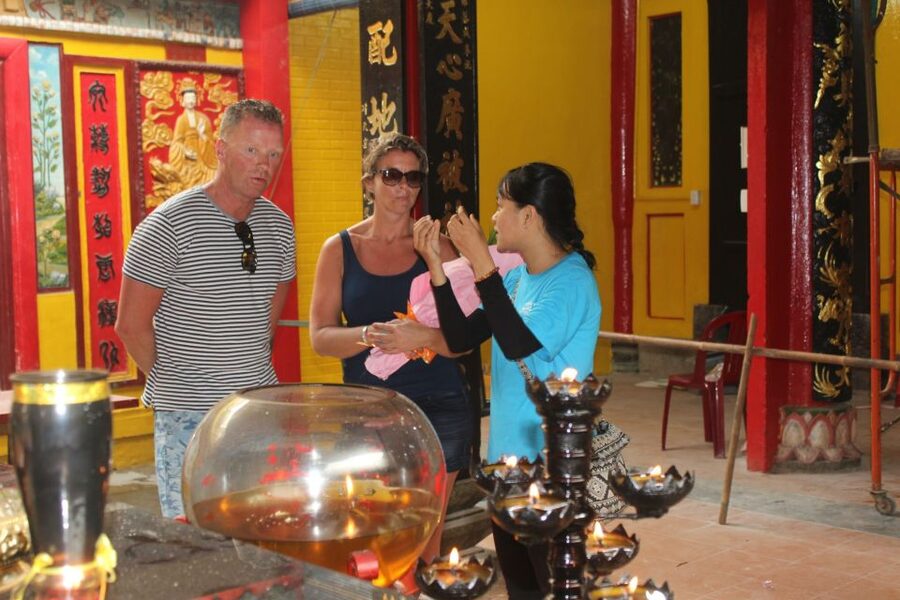
This is where the tour’s perspective changes again. Along the Saigon River you’ll see districts 8 and 4, including riverside neighborhoods where some people still live in slums on the far side of the river. You may also see zones with little homes in an area described as car-free.
That contrast can feel heavy, but it also makes the city make more sense. Saigon isn’t one story. It’s neighborhoods layered on top of each other, with different levels of stability and access to comfort.
I like that the tour doesn’t treat the riverfront as a scenic backdrop only. It frames it as a living edge of the city. You’re watching daily life happen where the city’s geography shapes housing and routines.
If you want to understand Saigon beyond the postcard, this section is important. Don’t rush it. Even on a scooter, you’ll sense the differences just by noticing what’s close to the road, what’s separated, and how people move.
District 7: Japanese and Korean Town and the Gated-Community Contrast
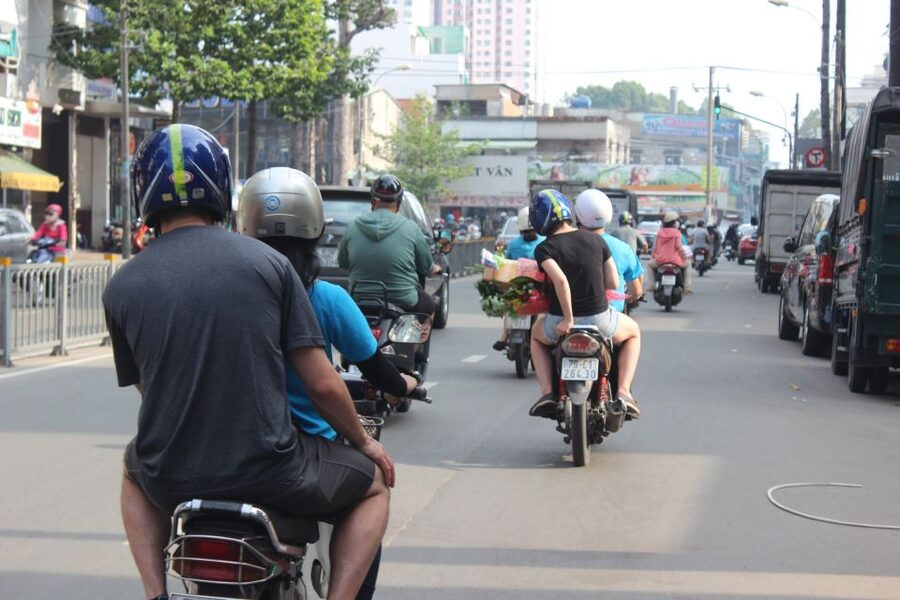
District 7 is a sharp contrast zone, and that contrast is one reason it earns its stop in the itinerary. It’s described as an area known for Japanese and Korean town, with brightly organized gated communities.
Instead of trading stalls and riverside housing, you get a more curated environment—still part of Saigon, but a different slice of it. That’s useful if your goal is to understand modern Saigon as something international and evolving, not only traditional or wartime-history focused.
This section also helps you see how quickly the city can shift in mood. One minute you’re around open markets; the next you’re near communities that look planned and controlled. Riding between these zones on a scooter makes that shift feel immediate.
Food and Breaks: One Main Meal Plus Snacks, Fruit, and Unlimited Drinks
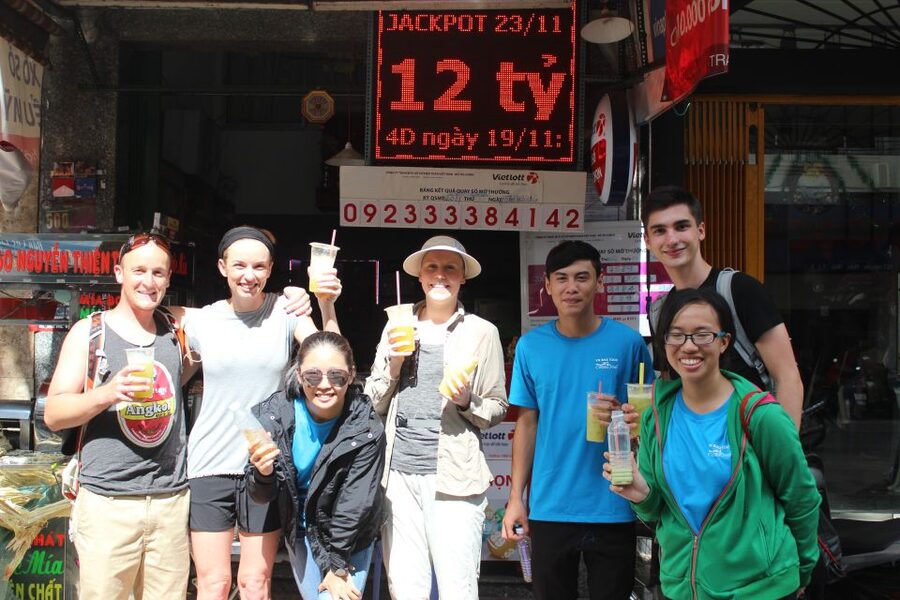
You’ll get one main meal plus local snacks, fruit, and unlimited drinks. That’s a big part of the tour’s value because it reduces your need to hunt for food between districts.
Food stops also tend to be where your guide’s personality shows. Reviews include moments like local coffee experiences, along with guides going out of their way to help with small practical needs. For example, one guide named Minh is described as assisting with a laptop issue connected to airport confusion, which points to a general theme: the team doesn’t treat the tour like a drive-by transaction.
Your meal may vary depending on the route and the timing window, but the structure is consistent: you get fed, you get small bites during the ride, and you get to stay hydrated.
Price and Value: Why $31 Can Make Sense Here
This tour costs $31 per person, and on the surface, that sounds almost too low for four hours of guiding plus transportation.
The value comes from a few added-in items:
- pickup and drop-off at your accommodation
- an English-speaking guide
- a helmet and rain poncho
- one main meal
- local snacks, fruit, and unlimited drinks
If you tried to replicate this alone, you’d pay for a driver and still have the added cost of figuring out routes, choosing stops, and getting context. Here, you’re paying for local knowledge layered onto a vehicle that can handle Saigon’s traffic patterns.
I also think the timing matters. If you have a short stay, paying for a guided scooter loop can be more efficient than planning separate rides to each district.
Who This Tour Is Best For
This works especially well for you if:
- you want to see a lot of Saigon in a short time
- you’re comfortable being a passenger on a scooter
- you like guided context rather than only photo stops
- you want both famous landmarks and real neighborhoods
It may be less ideal if you want a quiet, slow walking pace, or if you’re very anxious about traffic noise and constant motion. The tour is described as safe, but it’s still an active experience.
It’s also a strong pick if this is one of your first days in the city. You’ll come away with a map in your head: District 1 center, Chinatown markets, the flower district, and the river zone all become distinct places rather than vague areas.
Should You Book This Saigon City Motorbike Tour?
If you want the fastest route to a real Saigon feel, I’d book it. The combination of English guidance, wide district coverage, and included food makes it practical, not just adventurous. Guides named Vivian, Hành, Kain, Minh, May, Chun, and Vinh/Vincent show up in reviews, and the consistent theme is clear: they drive professionally and explain what you’re looking at in ways that actually stick.
The only reason to hesitate is the scooter factor. If you’re uncomfortable with traffic and motion, you’ll spend mental energy bracing instead of enjoying. But if you can handle that part, this is one of the best value ways to understand Saigon beyond a narrow tourist track.
FAQ
How long is the Saigon city motorbike tour?
It lasts 4 hours. Morning, afternoon, and evening tours are offered, so you can choose a starting time based on availability.
What time options are available?
The morning tour runs 8:00 AM to 12:00 PM, the afternoon tour runs 1:00 PM to 5:00 PM, and the evening tour runs 6:00 PM to 10:00 PM.
Is pickup and drop-off included?
Yes. The tour includes pickup and drop-off at your accommodation in Saigon.
What’s included in the price?
The tour includes an English-speaking tour guide, one main meal, local snacks and fruit, unlimited drinks, and helmet and rain poncho.
What should I bring and wear?
Wear comfortable shoes. If it rains, you’ll have a rain poncho provided.
Are pets allowed?
No, pets are not allowed on this tour.