REVIEW · DALAT
Dalat Countryside Motorbike Day Tour–Coffee Farms & Pagodas
Book on GetYourGuide →Operated by Vietnam Easyrider Group · Bookable on GetYourGuide
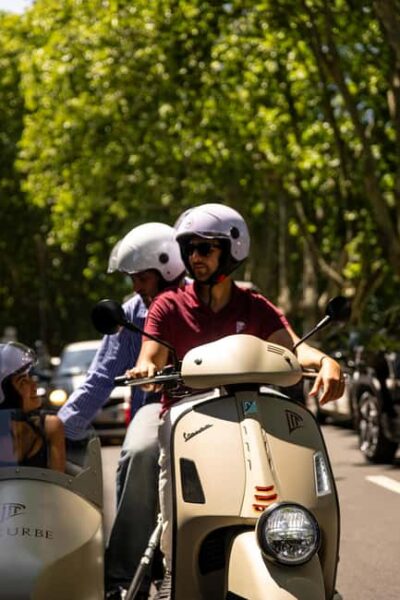
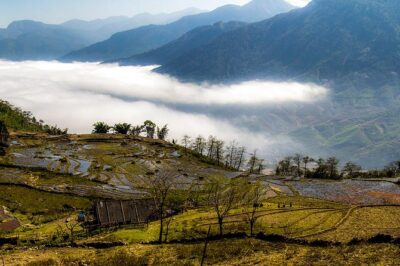
Coffee and pagodas on a motorcycle day works. This Da Lat easy-rider-style tour strings together coffee farms, flower fields, ethnic village life, and temple stops while you’re riding through the winding roads that make the Central Highlands feel like a different world.
Two things I really like: the chance to visit coffee plantations (including weasel coffee) at a calm pace, and the way English-speaking guides explain what you’re seeing, from farming work to religious sites.
One drawback to weigh: this is a true motorbike day, so it’s not a fit if you have back or heart problems, or if you need wheelchair access.
In This Review
- Key highlights at a glance
- Price and what $43 actually buys in Da Lat
- Safety and comfort: how the ride stays manageable
- Coffee and flowers: why the countryside stops feel different
- Pagodas, temples, and the 71-meter Lady Buddha moment
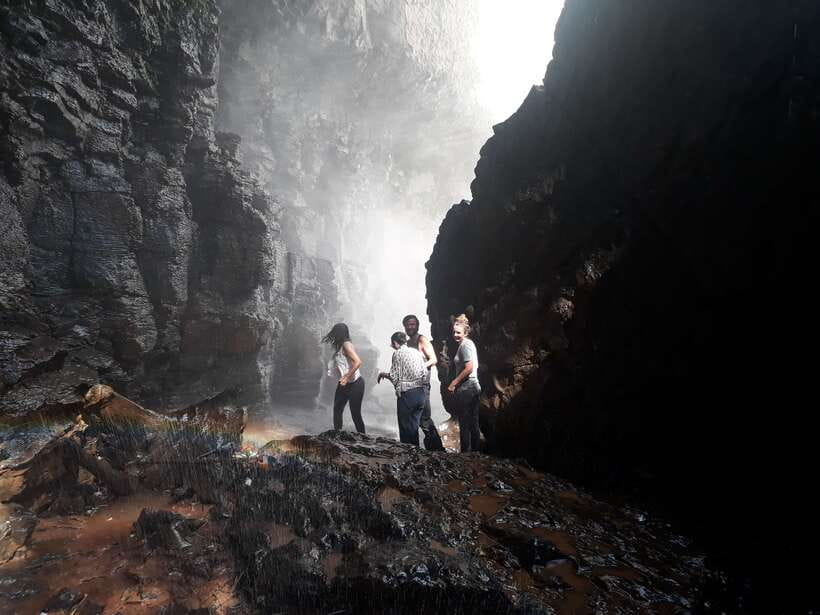
- Elephant Waterfall: what happens when the big sight is closed
- Workshops and everyday craft: silk worms and rice wine
- K’ho ethnic village: seeing culture through daily life
- Robin Hill and Tuyen Lam Lake: viewpoints that make the ride feel worth it
- Truc Lam Zen Monastery: quiet time with a view
- Who should book this Da Lat countryside motorbike tour
- Quick FAQ
- FAQ
- What’s included in the tour price?
- Are meals included?
- Do I get to drive the motorcycle myself?
- Is the tour only for motorbikes?
- What if Elephant Waterfall is closed?
- Is the tour offered in English?
- Who should avoid this tour?
- Are pets allowed?
- Can I bring alcohol or drugs?
- What’s the price, and what does it cover?
- Should you book this Dalat countryside motorbike day tour?
Key highlights at a glance
- Motorbike-first itinerary that lets you cover a lot without feeling rushed
- Coffee plantation time including weasel coffee and Vietnamese coffee culture
- Pagodas with big symbolism, from Linh An to a giant Lady Buddha statue view
- K’ho ethnic village stop for a hands-on look at local life
- Truc Lam Zen Monastery paired with lake and viewpoint scenery
- Practical comfort touches like protection gear and a raincoat
Price and what $43 actually buys in Da Lat
For $43 per person, this tour is a solid value if you want a full day “out of town” without having to figure out transport, navigation, or ticketing. The big reason the price feels fair is what’s included: hotel pickup and drop-off, protection gear, a motorbike driver, an English-speaking guide, a raincoat, entrance fees, and even small company souvenirs (a tank top and rubber wristband).
Food and drinks are not included, so you’ll still want to budget a bit extra if you get hungry (you will). But compared to doing coffee farms, pagodas, and viewpoint stops on your own—plus hiring transport and paying each entrance ticket separately—this package is built to reduce hassle.
The other value piece is time. A day like this is less about collecting checkmarks and more about letting the region unfold while you move. You get a steady rhythm: ride, stop, learn, ride again. It’s a format that fits Da Lat well.
Safety and comfort: how the ride stays manageable
The tour is designed for motorbikes with a driver, and the setup includes motorbike protection gear plus a raincoat. That matters in the Central Highlands, where weather can shift fast, and where roads can get slick if it rains.
In terms of how it feels day-to-day, the experience is built around a guided ride rather than a DIY adventure. If you’re nervous about traffic or bike handling, you’ll likely feel better knowing the experience is run with a dedicated driver for your seat time. A lot of the strongest feedback you’ll hear about this kind of tour is about safety and calm driving, and the included structure here supports that.
Two practical considerations for your body:
- It’s not listed as suitable for wheelchair users, and it’s also not suitable for people with back or heart problems.
- Some stops can involve walking on uneven ground and taking in viewpoints. Even if the pace feels relaxed, your legs still get used.
If you’re generally healthy and comfortable riding pillion, this is one of the easier ways to see more of Da Lat in a single day.
Coffee and flowers: why the countryside stops feel different
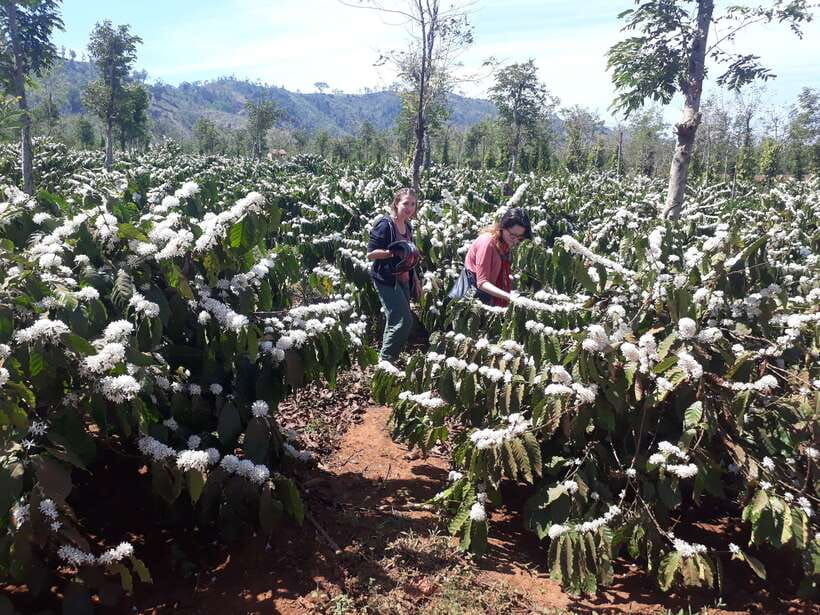
Da Lat’s coffee culture isn’t just a souvenir. On this tour, you get time at coffee plantations and you’ll encounter the story behind what’s grown there and how it ends up on Vietnamese tables. A highlight is weasel animal coffee, which ties directly into local agriculture and the processing story.
I like that the tour doesn’t rush through the coffee aspect as a quick photo stop. You’re given a calmer moment in one of the plantation settings—perfect for sipping on traditional Vietnamese coffee afterward. It’s a small thing, but it changes the whole vibe. Instead of buying coffee and moving on, you’re actually seeing the place that makes it possible.
You also visit a flower farm, which pairs nicely with the coffee stop because it shifts your senses. One moment you’re thinking about cultivation and harvest; the next you’re enjoying the color and gentle countryside atmosphere before heading toward temples and villages.
Pagodas, temples, and the 71-meter Lady Buddha moment
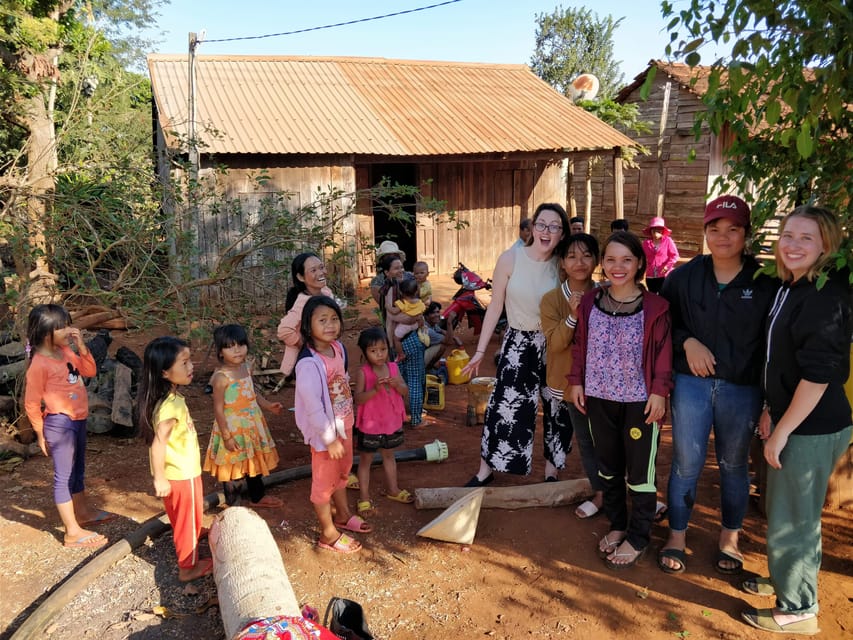
Da Lat’s spiritual landmarks are a big part of why a motorcycle day works here. Temples act like “anchors” in the route: you ride out into the countryside, then you return to a place with meaning, views, and stories.
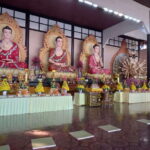
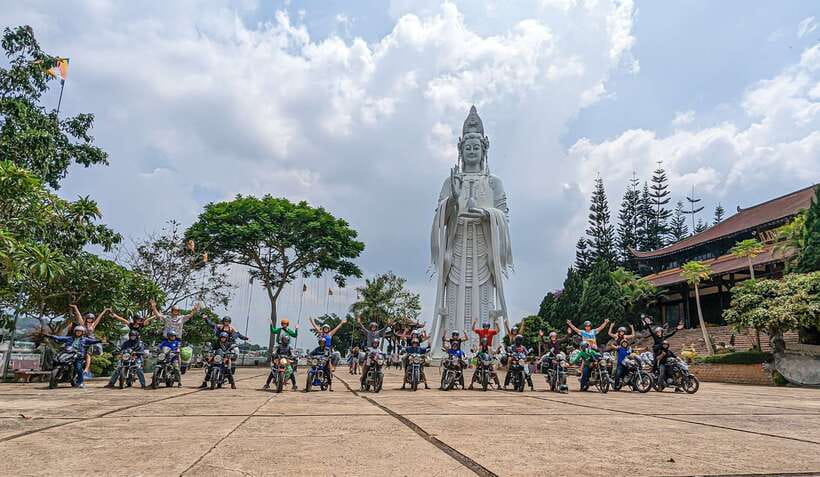
One stop is Linh An temple/pagoda, described as one of the oldest and most sacred Buddhist temples in Da Lat. Even if you’re not deeply into architecture, it’s the kind of place where the guide can help you understand why it matters—what traditions are being kept, and how the region’s faith shows up in daily life.
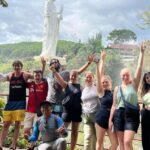
Another standout is the Happy Buddha area and the view tied to the 71-meter Lady Buddha statue. That combination works well because it isn’t only about religion; it’s also about scale and panorama. You feel how Da Lat’s elevation and geography turn spiritual sites into lookout points.
Elephant Waterfall: what happens when the big sight is closed
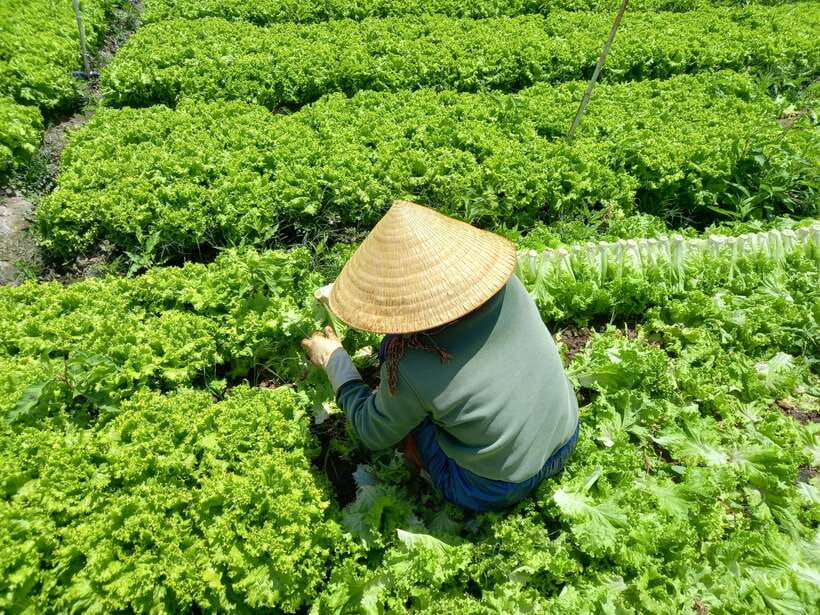
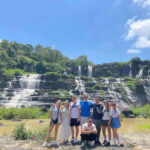
Here’s the honest practical note: Elephant Waterfall is currently closed, so you won’t get the full waterfall experience. But you can still see part of it from Linh An Pagoda, since the viewpoint allows a partial look.
So, what should you do with this information? If Elephant Waterfall is your main reason for booking, manage expectations. Still, the trade-off is that the stoppage doesn’t cancel the spirituality and the views. You’ll spend time at Linh An and get scenery from the right angle.
This kind of “view-from-a-good spot” plan is common in Dalat, and it’s the reason the route keeps working even when one attraction isn’t fully accessible.
Workshops and everyday craft: silk worms and rice wine
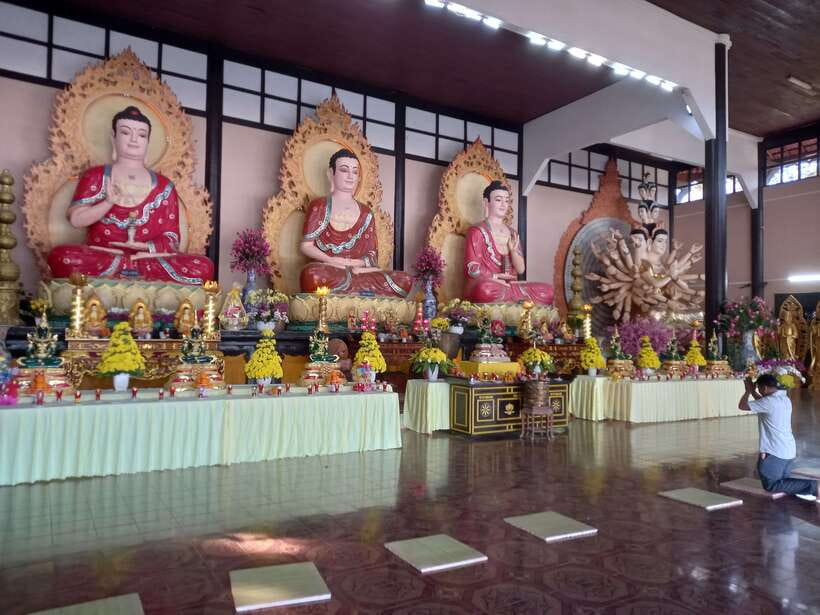
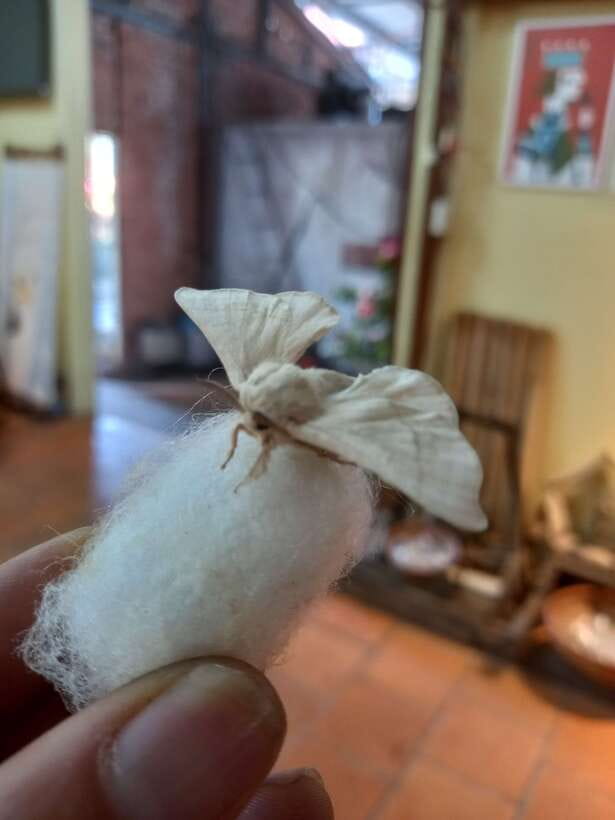
Not every countryside stop is about scenic photos. This tour includes a peek at local craft and food culture through two stops: a silk worm-making process and a traditional home-made rice wine experience.
Why those matter: agriculture in the Central Highlands isn’t only coffee and flowers. It’s also the systems behind textile work and fermented drinks—things that show how families earn, make, and share.
The silk worm process gives you a behind-the-scenes look at how something as “pretty” as silk starts with a very basic, very practical workflow. The rice wine stop connects to how regional traditions turn local ingredients into something you can taste and understand.
If you like your travel days to include at least one or two “workshop moments,” these are the kinds of stops that add depth without adding hours.
K’ho ethnic village: seeing culture through daily life
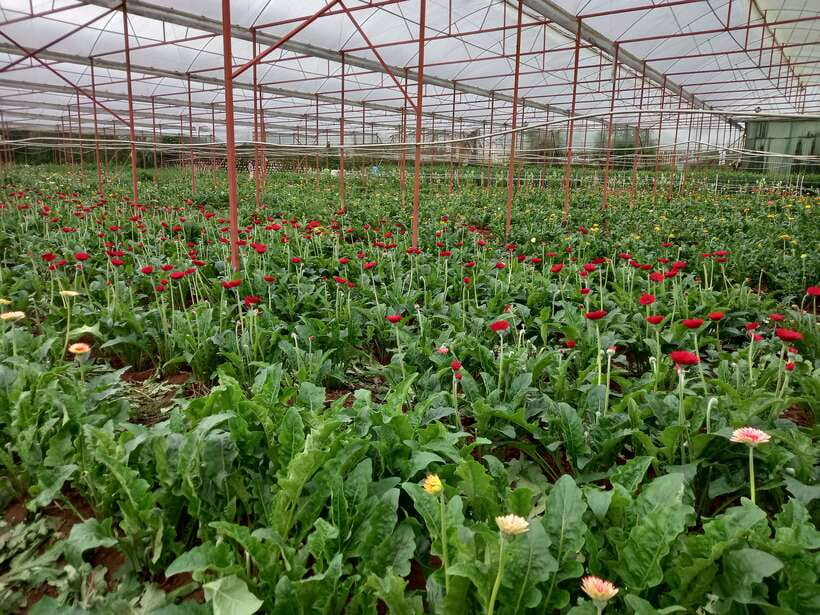
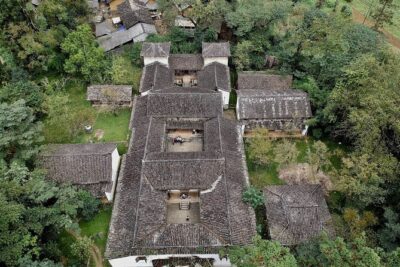
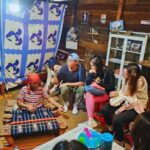
A major reason this tour earns strong marks is the K’ho ethnic village stop. This isn’t framed as a staged show; it’s presented as a chance to experience authentic local ethnic culture in one of Da Lat’s own ethnic villages.
What I’d look for in this kind of stop is your willingness to slow down and observe. The guide helps here, especially in English, by connecting what you see to how people live—so you’re not just looking at buildings or clothing. You’re picking up context about community life in the Highlands.
If you want “more than temples,” this village stop gives you a different angle on Da Lat: human-scale, real-life, and rooted in the surrounding geography.
Robin Hill and Tuyen Lam Lake: viewpoints that make the ride feel worth it
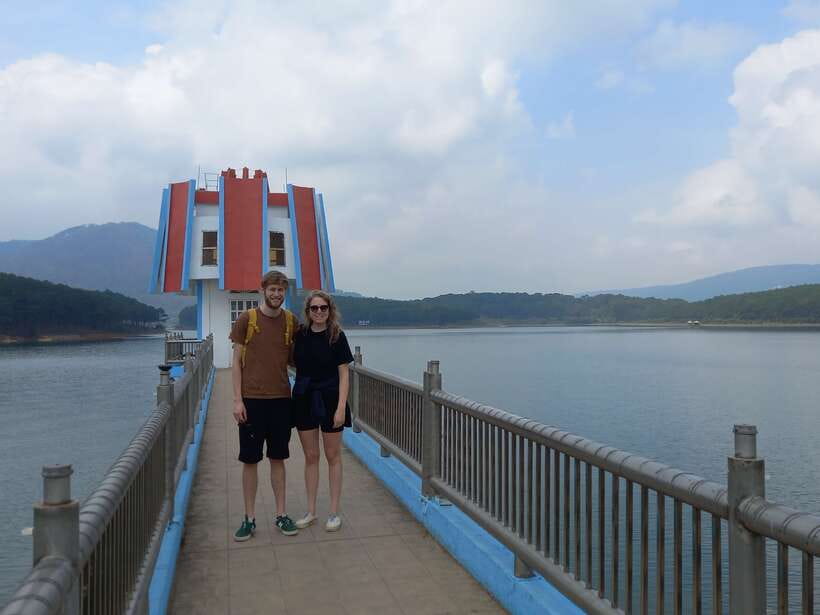
You’ll also hit scenic spots that give your brain a break from “learning mode.”
At Robin Hill, you’ll go to one of the highest locations where you can see the whole panorama of Da Lat. This is the type of stop that makes sense after you’ve spent hours riding—your eyes get to rest, and you get orientation. It’s the moment where you can mentally map where you’ve been and how the region is laid out.
Then there’s Tuyen Lam Lake, which adds a calmer mood. Lakes in this area often feel like a breather: less hustle, more air, and a chance to take a few photos that don’t look like they were shot from the same corner of a city.
I like pairing one high viewpoint (Robin Hill) with one quieter nature moment (Tuyen Lam Lake). It gives balance to the day.
Truc Lam Zen Monastery: quiet time with a view
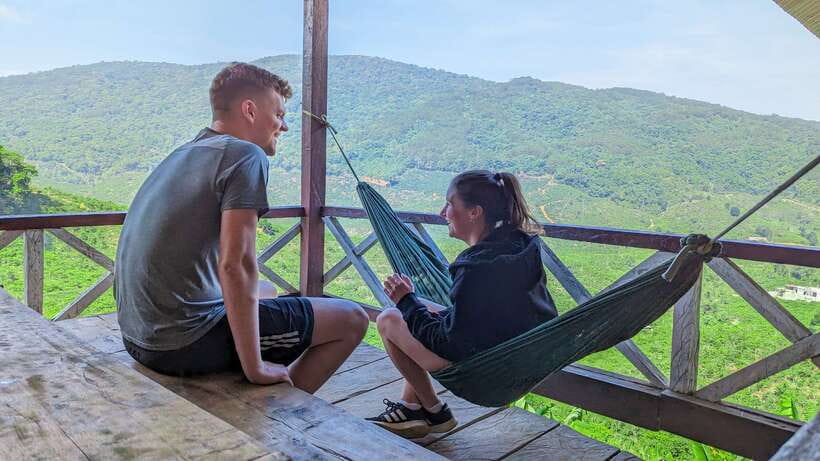
The day ends up at Truc Lam Zen Monastery, a stop that blends temple atmosphere with the scenery around Da Lat. Even if you’ve seen lots of monasteries in Asia, Truc Lam works because it’s timed as part of the route rather than a standalone rush.
In a good tour setup, the guide helps you notice what makes this monastery feel distinct—how it sits into the environment and what that means for the way people experience the place.
If you’re the type who likes a temple visit to feel reflective (not only photo-op), this is one of the more satisfying stops on the day.
Who should book this Da Lat countryside motorbike tour
This tour is best for you if:
- You want a full day around Da Lat without arranging separate transport for each stop
- You like motorbike riding and don’t mind winding roads
- You want a mix of coffee culture, temples, and an ethnic village
- You appreciate an English-speaking guide who explains what you’re seeing
It’s not a good match if:
- You have back or heart problems
- You need wheelchair access
- You’re traveling with pets or baby strollers/carriages (those are not allowed)
- You’re hoping for a calm, low-movement day (this is still a countryside motorbike route)
One more heads-up: the tour is listed as not including food and drinks. If you’re the type who gets hangry, plan for a snack strategy during the day.
Quick FAQ
FAQ
What’s included in the tour price?
Pickup and drop-off from your hotel, motorbike protection gear, a motorbike driver, an English-speaking guide, a raincoat, entrance fee tickets, and company souvenirs (a tank top and rubber wristband) are included.
Are meals included?
No. Food and drinks are not included, so you’ll want to budget for your own lunch/snacks.
Do I get to drive the motorcycle myself?
The tour is for motorbikes, but self-ride is only possible if you have a valid international motorcycle driver permit accepted in Vietnam. There’s also a self-driving fee depending on the vehicle type, so you’ll need to check with the provider when booking.
Is the tour only for motorbikes?
Yes. If you want to switch to a car instead, an additional fee applies.
What if Elephant Waterfall is closed?
Elephant Waterfall is currently closed, but you can still view part of it from Linh An Pagoda.
Is the tour offered in English?
Yes. The tour includes an English-speaking guide.
Who should avoid this tour?
It’s not suitable for people with back problems, heart problems, or wheelchair users.
Are pets allowed?
No. Pets are not allowed on this tour.
Can I bring alcohol or drugs?
No. Alcohol and drugs are not allowed.
What’s the price, and what does it cover?
The price is $43 per person, and it covers the included items like the driver, guide, gear, raincoat, entrance tickets, and pickup/drop-off. Food and drinks are extra.
Should you book this Dalat countryside motorbike day tour?
If you want the quickest path to understand Da Lat beyond the city center, I’d book it. The route is built around hands-on countryside themes—coffee and silk/rice craft, plus spiritual stops like Linh An and Truc Lam—and the motorbike format is what keeps the whole day feeling like one continuous story.
Just go in with two expectations set: it’s a ride-first day (so it’s not for everyone), and Elephant Waterfall is partially viewed from Linh An rather than experienced at full waterfall access. If that fits your priorities, this is a great, good-value way to spend a day in the Dalat countryside.