REVIEW · SEMINYAK
Canggu Motorbike Lessons
Book on Viator →Operated by Canggu Scooter Lessons · Bookable on Viator
Learning to shift gears changes everything fast. This 2-hour manual motorbike lesson in Canggu gives you step-by-step practice on a quiet village street, starting with theory and moving to clutch, gears, hill starts, and emergency braking. I like that it’s manual-first (not a scooter lesson) and that the training is built for real confidence, not just a quick try around the block. One thing to consider: it’s not for total beginners—you’re required to have scooter riding experience, and you should have a valid license.
You’ll also appreciate the small-safety details baked into the session. Knee and elbow protectors and a helmet are included, plus bottled water, and you can take breaks when you need them—huge if you’re nervous at first. I’m especially into how the lesson is paced: they keep you on basics until you’re steady, then you progress.
The possible drawback is simple: Bali traffic can feel very different from home, and this class still has a learning curve. If manual motorcycles already stress you out, plan to go slow mentally too, and don’t force it.
In This Review
- Key highlights you’ll feel during the lesson
- Manual Motorbike Lessons in Canggu: What You Really Get in Two Hours
- Price and Value: Getting Skills for $35 in Bali
- From Theory to Clutch Control: How the Lesson Actually Progresses
- Riding in Bali Without Panic: Why the Pace Matters
- Gear, License, and Physical Comfort: Small Requirements With Big Impact
- Instructors Who Teach at Your Speed: Rico, Dino, and Gede
- Logistics That Keep It Simple: Mobile Ticket, Private Session, No Transport Included
- Should You Book This Manual Motorbike Lesson in Bali?
- FAQ
- FAQ
- Do I need scooter experience for this motorbike lesson?
- Is this lesson private?
- What’s included in the price?
- How long is the lesson?
- What time does the lesson start?
- Do I need a license?
- What if the weather is poor?
Key highlights you’ll feel during the lesson
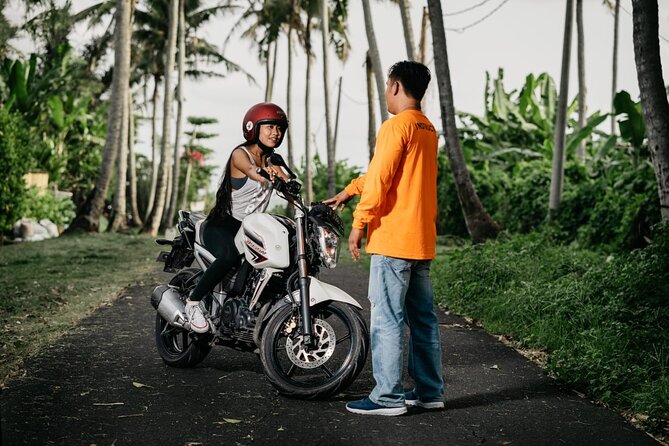
- Manual motorcycle training, not scooter practice
- Street riding only after you prove you’re confident with the controls
- Clutch, gears, hill starts, and emergency braking focus
- Protectors included (knee and elbow) plus helmet and water
- Instructors praised for reassurance and step-by-step teaching
- Private, instructor-led session with breaks allowed
Manual Motorbike Lessons in Canggu: What You Really Get in Two Hours
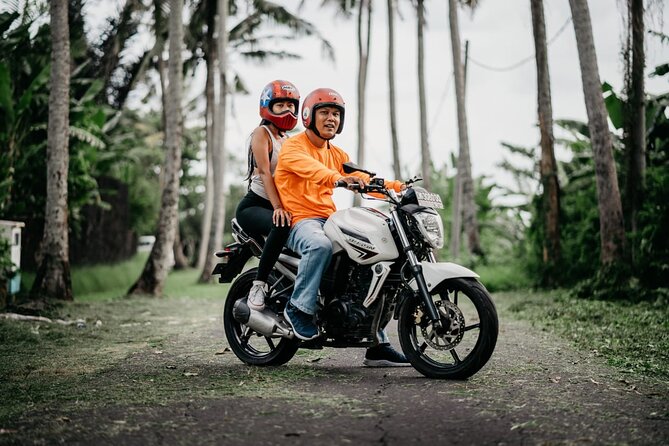
This lesson is designed around one goal: helping you handle a manual motorbike with calm control. It’s based in the Canggu area, with the meeting point described on a quiet village street—so you start in a place where you can actually think, not just react.
The training is structured in a clear sequence. First you get theory: how the motorbike works and what each part is for. Then you move into hands-on basics like the clutch and gears, along with practical skills that matter quickly in Bali, such as hill starts and emergency braking. Only when you’re comfortable do you shift from practice zones to a street setting.
Also note the wording that matters: this is required to be for people with experience riding a scooter. If you’ve never ridden anything with shifting and clutch control, you’ll likely feel overwhelmed. The upside is that if you’re already comfortable on a scooter, you’ll spend your limited time learning what’s different about a manual motorcycle.
Finally, it’s a private activity, so you’re not sharing an instructor with random strangers. That helps a lot when you need repetition or want corrections without feeling rushed.
Price and Value: Getting Skills for $35 in Bali
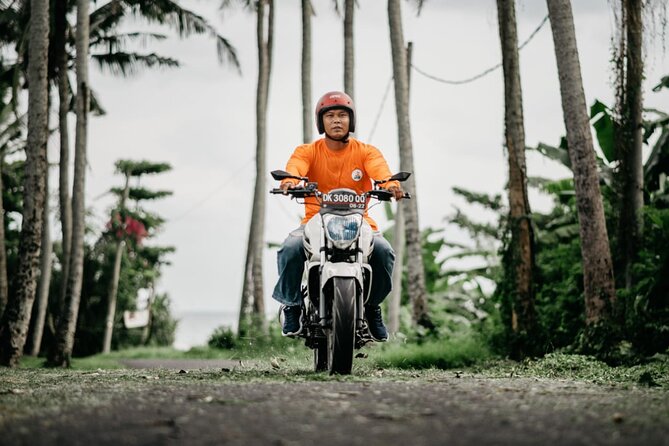
At $35 per person, this lesson is priced like a practical skill-builder, not a sightseeing tour. For that money, you’re getting the motorbike and helmet, water, and knee and elbow protectors—gear that you’d otherwise need to buy or borrow.
The value really comes from the structure. Two hours can sound short, but this isn’t a long ride tour. It’s a coaching session aimed at immediate usable control: shifting smoothly, managing clutch timing, starting on a hill, and understanding emergency braking. If you’ve ever felt like Bali riding needs confidence before you jump in traffic, this format is built for that.
One more value point: the lesson includes breaks you can take if you need them. That might sound small, but it changes everything if you’re anxious. Taking a breather and resetting your focus often helps you learn faster than pushing through.
From Theory to Clutch Control: How the Lesson Actually Progresses
The session starts at 9:00 am and runs about two hours. You meet at C.S.L Meeting Point (the provided pin is 94GX+FX7, Canggu). The location is described as a quiet village street, which is exactly what you want on day one.
Here’s what the flow looks like:
1) Quick theory to make the bike make sense
You get an explanation of how everything works and the function of key parts. This isn’t just “watch me.” It’s meant to help you understand what you’re doing with your left hand and feet, and why the bike behaves the way it does.
2) Basics training: clutch and gears
You’ll practice core movements until they feel manageable. The clutch and gears are the heart of the manual learning curve. This is where people usually stall, jerk, or hesitate—so time spent here is time that prevents problems later on a street.
3) Hill starts and emergency braking drills
The lesson includes hill starts and emergency breaks. Those skills matter in Bali because starts and stops can come quickly. Hill starts also help you stop relying on luck when the road gradient and traffic flow get unpredictable.
4) Street riding only when you’re confident
You don’t jump straight into the busiest roads. You continue the lesson on a street only when you’re completely confident with the basics. This is a smart approach: it reduces panic riding, which is when mistakes multiply.
And yes, you can take breaks when you need them. If your mind goes blank mid-practice, a short pause helps you come back with better focus.
Riding in Bali Without Panic: Why the Pace Matters
The thing that trips most first-time manual riders isn’t the bike—it’s the mental pressure. Bali riding is fast, loud, and full of moving parts. If you’re still figuring out shifting, you can end up fighting two problems at once: the bike and the environment.
This lesson tackles that directly. The instructor keeps you in training mode until your control is solid. That matters because the goal isn’t only learning the motions—it’s building reflexes that don’t collapse when you’re surrounded by traffic.
From the feedback you can see a pattern: people feel reassured and more comfortable after a slow, step-by-step approach. One rider credited Rico with helping them feel comfortable tackling Bali roads and riding safely after learning—especially because the traffic experience is different than what they were used to. Another rider said Dino helped them after they hadn’t driven for six months due to an accident, and that reassurance restored their confidence.
Even if you’re starting fresh, the lesson’s philosophy helps. You’ll likely get more out of your two hours if you treat each drill like a mini-checkpoint:
- clutch timing feels smooth
- gear changes are controlled
- braking is predictable
- hill starts don’t feel like a gamble
When those boxes get checked, street riding becomes a continuation—not a test.
Gear, License, and Physical Comfort: Small Requirements With Big Impact
This is where you can prepare so the lesson goes smoothly. Included gear includes:
- Helmet
- Knee and elbow protectors
- Bottled water
These items reduce risk and help you feel steadier. Protectors don’t make you invincible, but they do change how you practice—especially if you’re learning at the edge of what feels comfortable.
Two other requirements matter and are explicitly stated:
- You should have a valid license.
- You should have a moderate physical fitness level.
That fitness line isn’t about being athletic. It’s more about being able to mount the bike, handle balance and movement, and keep control during repeated practice. Manual riding can be physically demanding in short bursts, particularly during starts, stops, and repeated clutch work.
If you don’t yet have scooter experience, treat that requirement seriously. Manual learning will be harder than it sounds.
Instructors Who Teach at Your Speed: Rico, Dino, and Gede
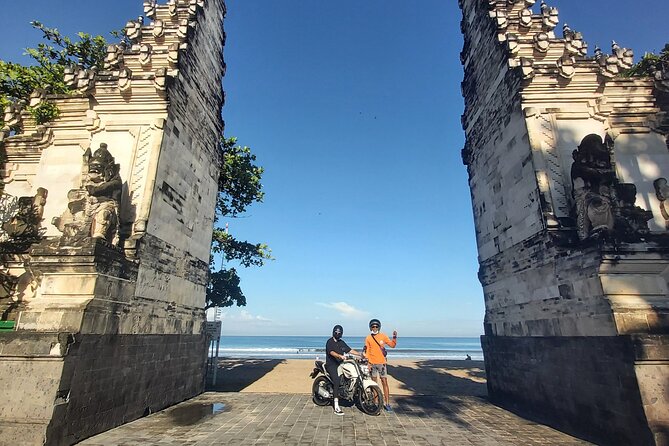
The quality of a riding lesson lives or dies with the instructor style. Here, multiple instructors are specifically praised: Rico, Dino, and Gede.
- Rico is described as going through learning in a way that made someone feel comfortable on Bali roads and confident about safety.
- Dino is praised for reassurance—especially for riders returning after a gap caused by an accident—and for helping restore confidence rather than just repeating instructions.
- Gede is repeatedly singled out for teaching slowly and clearly, and for helping riders overcome fear so they could learn fast.
What I’d take from that, even before your lesson, is this: ask for pace. If you feel rushed, say so. When an instructor slows down and explains clearly, manual riding clicks faster because your brain gets time to connect the theory to the physical action.
If you’re anxious, you’ll probably benefit from that reassurance focus. Manual riding can feel like you’re constantly “making adjustments,” and that’s stressful for some people. A calm instructor approach makes those adjustments feel like skills you’re building, not mistakes you’re failing at.
Logistics That Keep It Simple: Mobile Ticket, Private Session, No Transport Included
This experience is a private activity, so only your group participates. That’s great if you want one-on-one attention and fewer distractions. It also means your instructor can tailor corrections to your exact mistakes rather than covering a group.
You’ll receive confirmation at booking time, and the tour uses a mobile ticket. It starts at 9:00 am and ends back at the meeting point.
One practical catch: private transportation is not included. So you’ll want to arrange your own way to the meeting point in the Canggu/Seminyak area. If you’re staying close, that’s easy. If you’re farther away, give yourself time for traffic and don’t treat this like a casual walk-in.
Weather is also mentioned as important. The experience requires good weather, and if it’s canceled due to poor conditions, you’ll be offered a different date or a full refund.
Also, average booking is about 5 days in advance. That’s a useful signal: if you want a specific date, don’t wait until the last minute.
Should You Book This Manual Motorbike Lesson in Bali?
Book it if:
- you already have scooter riding experience
- you want to learn manual motorcycle control (clutch, gears, hill starts, emergency braking)
- you appreciate a slow, structured approach where street riding comes later
- you want safety-focused practice with helmet and protectors included
- you’re looking for confidence more than just a quick thrill
Consider skipping or waiting if:
- you’re a true beginner with no scooter experience (manual will likely feel overwhelming)
- you don’t have a valid license
- you’re expecting a casual “ride around” experience rather than instruction and drills
- you’re likely to panic if you don’t feel comfortable within the first part of the training
If your biggest barrier is fear or confidence, this lesson is built for that. With instructors who are praised for reassurance and patient teaching, you’re in the right place to learn without feeling pressured.
FAQ
FAQ
Do I need scooter experience for this motorbike lesson?
Yes. The lesson is specifically a manual motorbike lesson and it’s required that you have experience riding a scooter.
Is this lesson private?
Yes. It’s a private tour/activity, and only your group participates.
What’s included in the price?
You get the motorbike and helmet, bottled water, and knee and elbow protectors.
How long is the lesson?
The duration is about 2 hours.
What time does the lesson start?
The start time is listed as 9:00 am.
Do I need a license?
Yes. Travelers should have a valid license.
What if the weather is poor?
The experience requires good weather. If it’s canceled due to poor weather, you’ll be offered a different date or a full refund.
If you want, tell me your current riding level (how long you’ve ridden a scooter and how comfortable you feel in traffic), and I’ll help you judge whether manual training is the right next step.