REVIEW · EVORA
Évora: Megalithic Sites and Wine Tasting Sidecar Tour
Book on GetYourGuide →Operated by Moma Side My Bike · Bookable on GetYourGuide
Stone circles, wine, and a sidecar ride.
This Évora tour pairs Almendres megalithic sites with countryside stops and finishes with a wine tasting at Ervideira, so you get history plus a real sense of the Alentejo. I like how the guide turns “old stones” into something you can picture in your head: rituals, farming landscapes, and why this region changed so much.
Two things I especially like. First, you get a clear explanation of the Neolithic Revolution and what it meant for people living around Évora—bigger than just dates and names. Second, the tour makes the countryside feel practical, including talk about cork oak versus normal oak and how the farming works.
One consideration: you’ll be on your feet on walking paths in open countryside, so plan for sun, wind, and uneven ground—bring comfortable shoes and water.
In This Review
- Key points worth your attention
- A sidecar ride makes the stones feel closer to life
- Starting at Jardim Público de Évora near Palácio D. Manuel
- Valverde and Guadalupe: Almendres Cromlech and Menhir in context
- Anta Grande do Zambujeiro: Portugal’s largest dolmen
- The Alentejo countryside drive: cork oak, vineyards, and what to spot
- Ervideira wine tasting: included, but pace it
- Skipping the ticket line and keeping it private
- What to bring (and what rules actually matter)
- Who should book this Évora megalith + wine sidecar tour
- Should you book this Évora: Megalithic Sites and Wine Tasting Sidecar Tour?
- FAQ
- FAQ
- How long is the Évora megalithic sites and wine tasting sidecar tour?
- Where is the meeting point?
- What megalithic sites are included?
- Is wine tasting included?
- What language is the tour guide?
- Is the group private?
- Do I need to be a legal drinking age?
- What should I bring?
- Is smoking allowed?
- Is transportation to and from the starting point included?
Key points worth your attention
- Almendres Cromlech + Menhir: see two signature megalith forms in one focused visit
- Anta Grande do Zambujeiro: a funerary monument setting that feels surprisingly human
- Real Alentejo farming talk: cork oak vs. oak, plus what you’re looking at in the fields
- Ervideira wine tasting included: the tour ends with something you can taste and compare
- Private group with a live guide: Spanish, English, or Portuguese for a tighter experience
A sidecar ride makes the stones feel closer to life
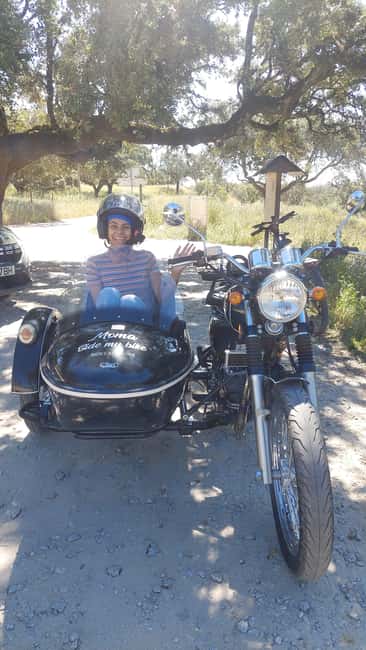
The best kind of history tour doesn’t just point at stuff. It helps you place yourself in the scene. On this route around Évora, the megaliths stop feeling like random ancient landmarks and start feeling like part of an everyday landscape—fields, paths, rituals, and travel between villages.
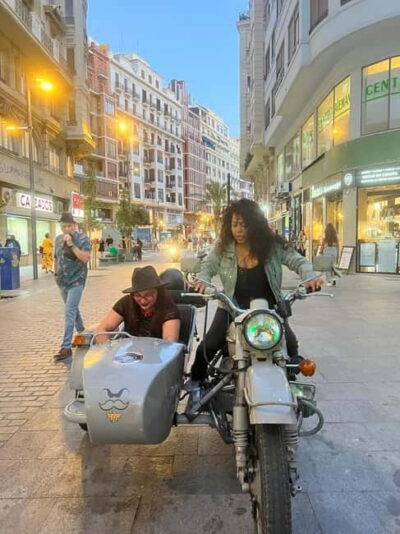
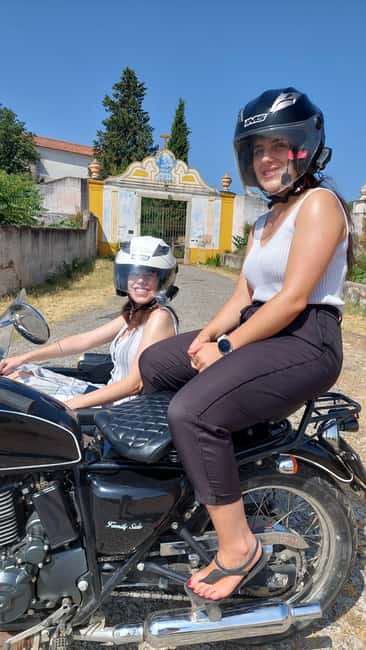
The sidecar format adds a layer you don’t get in a normal van. It’s faster, more vivid, and the views come at you in a way that feels more like how locals might move through the region. It’s also fun without being gimmicky: the riding supports the itinerary, not the other way around.
Starting at Jardim Público de Évora near Palácio D. Manuel
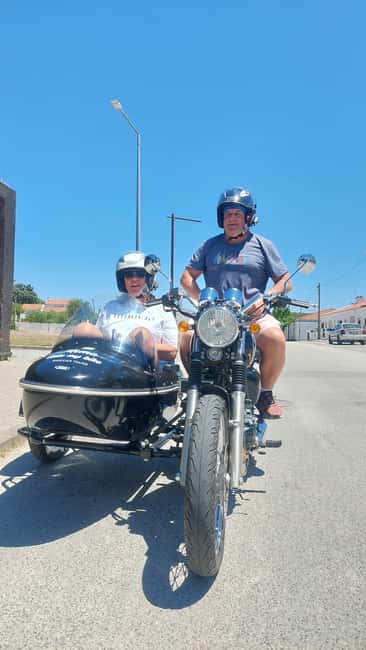
Your tour meets at the main entrance of the Public Garden of Évora, near the Palácio D. Manuel. This is a good spot for two reasons. One: you’re starting in the historic core, so you can get your bearings quickly. Two: it’s easy to arrive with a little flexibility before you head into the countryside.
Before you roll out, there’s a short break/photo stop with a bit of free time and a quick shopping window. Think of it as a reset. If you want water, a hat, or a last-minute snack, this is your moment. It also lets you switch from city pace to open-country pace.
Valverde and Guadalupe: Almendres Cromlech and Menhir in context
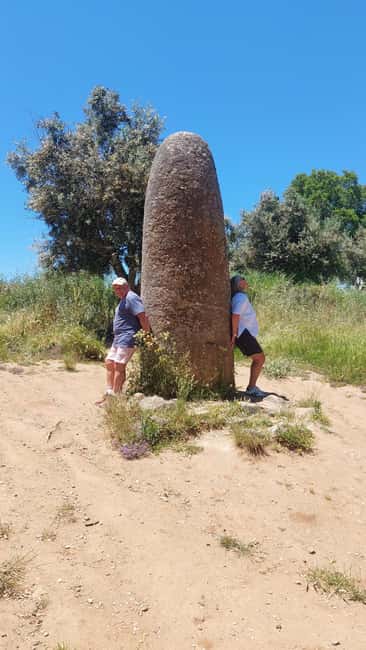
The megalith portion is where this tour earns its name. You visit megalithic sites in Valverde and Guadalupe, and you’ll see the Cromlech and Menhir of Almendres. These aren’t just impressive because they’re old. They’re impressive because of how they’re arranged and what that suggests about collective effort.
Here’s what to pay attention to. Look for the sense of layout: stones placed with intention, not scattered randomly. The guide’s explanations help you connect the patterns to the lived reality of the Neolithic people who used these spaces. You’ll also learn about the rituals linked to sacred sites—how communities marked meaning in the landscape.
Practical note: this segment includes walking time, and you’re outdoors. If the weather is changeable, dress in layers. In cooler mornings, the guide provided gloves in at least one case, which is a nice reminder that the ride can feel chilly even if the sun comes out later.
Anta Grande do Zambujeiro: Portugal’s largest dolmen
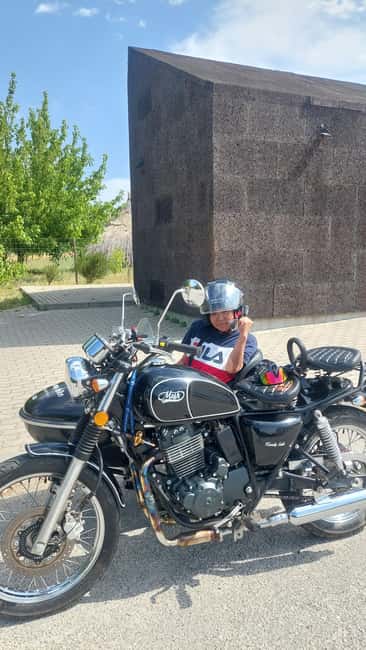
Next comes the standout monument: the Anta Grande do Zambujeiro, described as the largest dolmen in Portugal. A dolmen is funerary architecture, and that matters for how you experience it. You’re not just touring a structure—you’re standing in a place tied to burial practices and communal memory.
What I like about this stop is that the atmosphere changes from “wow, rocks” to “okay, people cared about this.” The guide helps you understand the monument’s purpose in the megalithic era, and the setting gives you time to slow down and look rather than rush.
You may also notice small details that most quick tours skip. One example from the experience style here: the guide doesn’t just say things; he points out differences and farming choices in the surrounding area, which makes the dolmen feel less isolated. It’s placed in a working landscape, not a planted exhibit.
The Alentejo countryside drive: cork oak, vineyards, and what to spot
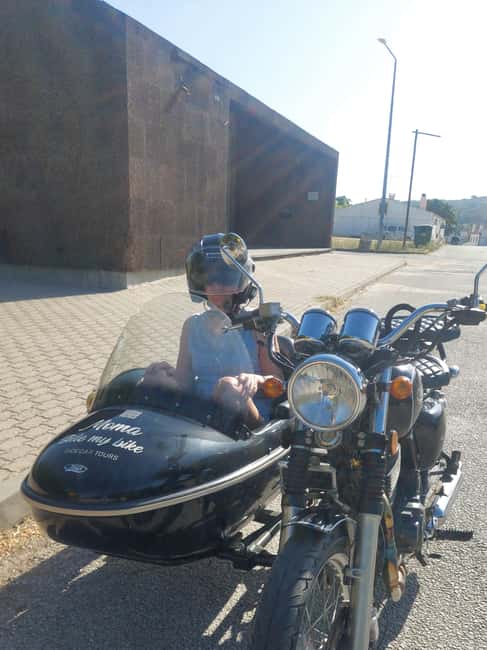
Between monuments, you travel through the rural county around Évora and into the wider Alentejo region. This is more than “getting from A to B.” The countryside is part of the lesson.
You’ll see fields with cork and oak trees and Portuguese vineyards. And in the best moments of the tour, the guide turns that into something you can identify with your eyes: for example, the difference between cork oaks and normal oaks. The explanations extend to farming methods, including how cork harvesting works and what it changes in the tree over time.
Here’s an easy way to make this section click for you: treat it like a photo scavenger hunt. When you spot cork trees, pause mentally and try to match what you learned to what you see. If you’re taking pictures, focus on broader views first, then come back for close-ups. That makes it easier to remember the landscape later.
Ervideira wine tasting: included, but pace it
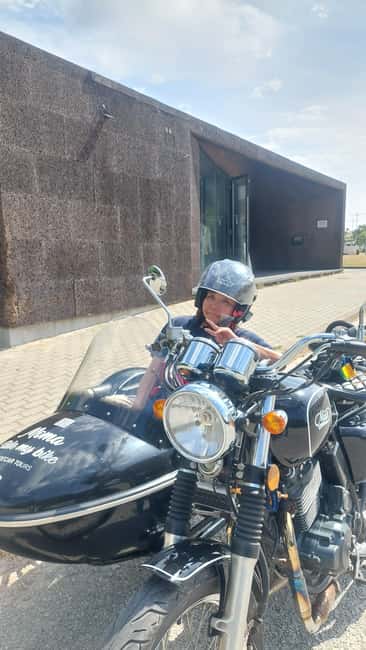
The tour ends with wine tasting at Ervideira, a well-known winery in the region. Wine tasting isn’t just a “bonus.” It’s a way of connecting the rural landscapes you just saw—vineyards, farming rhythms—to the flavors people produce today.
Since tastings are included, plan to be of legal drinking age. Also, keep your energy steady. Three hours is long enough to feel the walking, then the riding, then the tasting. If you’re the type who gets shaky when you’re tired, consider a small meal before you start.
Important detail for expectations: the wine tasting includes the wine portion, but an Alentejo-style food board (cheese, ham, bread, olive oil, and a sweet) is not included. So if you’re hungry, don’t count on that plate to fill you up afterward.
Skipping the ticket line and keeping it private
At $61 per person for a 3-hour private group, value depends on what you’re trying to get out of the day. Here’s why the price can feel fair.
First, you get a live guide in Spanish, English, or Portuguese. That matters because the tour isn’t only about seeing monuments—it’s about understanding them. Second, you skip the ticket line, which saves time and keeps the pacing smooth. Third, you’re not doing this in a crowd. A private group means you can ask questions without waiting for the guide to move on.
Finally, wine tasting at Ervideira is included. If you’re already planning to drink wine in Évora, this turns that plan into part of the itinerary rather than an extra stop later. It’s not a cheap add-on; it’s a core closing act.
One more practical piece: transportation to and from the starting point is not included. If you’re staying in the center, you might walk or use a short ride. If you’re farther out, factor that in so you’re not guessing about how to arrive.
What to bring (and what rules actually matter)
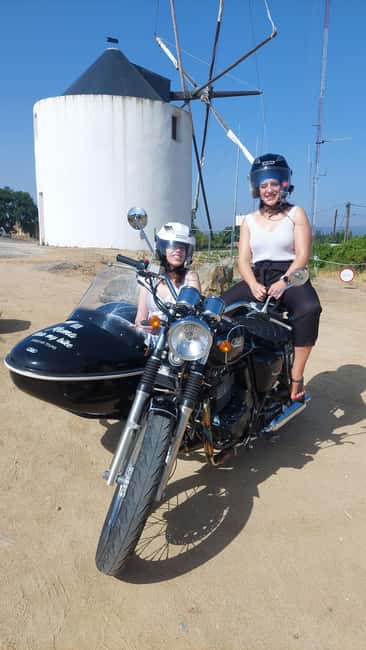
This tour is simple on paper, but you’ll enjoy it more if you plan ahead.
Bring:
- water
- comfortable clothes
- a hat and sunscreen for sun protection
- comfortable shoes for walking
Don’t:
- smoke (including in the vehicle and indoors)
- use alcohol or drugs (the tasting is included, but general rules still apply)
If you’re sensitive to temperature changes, consider layers. At least one guide-provided glove moment shows that mornings can be cold enough to notice when you’re riding.
Who should book this Évora megalith + wine sidecar tour

This is a strong match if you want history that feels physical and place-based, not just facts on a sign. You’ll likely enjoy it if you:
- like seeing multiple sites in one short outing
- prefer a smaller group with a guide who can explain and answer questions
- enjoy tasting local products at the end, not hours later
- want the countryside context: cork trees, fields, vineyards, and how the region works
You might skip it if you hate walking on uneven outdoor paths or if sidecar riding sounds like a deal-breaker. Also, if you need a long, free-form tour with lots of time in museums, this is built for a tighter arc.
Should you book this Évora: Megalithic Sites and Wine Tasting Sidecar Tour?
I’d book it if you’re in Évora for a short stay and you want one tour that covers the big megalithic hits plus a real local flavor at the end. The Almendres visit and the Anta Grande do Zambujeiro stop give you the “why Portugal has to be on your ancient-sites list,” while the Ervideira tasting adds something to remember that night beyond photos.
If you do book, go in with the right mindset: wear shoes you can walk in, bring sunscreen, and be ready to ask questions. The guide’s explanations—especially around cork oak versus normal oak and how farming works—are a big part of what makes the tour memorable.
FAQ
FAQ
How long is the Évora megalithic sites and wine tasting sidecar tour?
The duration is 3 hours.
Where is the meeting point?
The meeting point is the main entrance of the Public Garden of Évora, near the Palácio D. Manuel.
What megalithic sites are included?
You visit megalithic sites in Valverde and Guadalupe, including the Cromlech and Menhir of Almendres. You also visit the Anta Grande do Zambujeiro.
Is wine tasting included?
Yes. Wine tasting at Ervideira is included.
What language is the tour guide?
The live tour guide offers Spanish, English, and Portuguese.
Is the group private?
Yes, it’s listed as a private group.
Do I need to be a legal drinking age?
Yes, participants must be of legal drinking age because wine tasting is included.
What should I bring?
Bring water and comfortable clothes. It’s also recommended to bring a hat and sunscreen.
Is smoking allowed?
No. Smoking is not allowed, including smoking in the vehicle and indoors.
Is transportation to and from the starting point included?
No. Transportation to and from the starting point is not included.