REVIEW · UTRECHT
3 Hours itinerary between Amsterdam & Utrecht: The Heart Of Holland In A Sidecar
Book on Viator →Operated by Holland Sidecar Tour · Bookable on Viator
Two wheels, sidecar views, Dutch countryside in a shortcut. A Holland Sidecar tour between Amsterdam and Utrecht turns the small backroads into a fast, fun way to see riverside estates and royal-era landmarks without the usual travel hassle. I love the viewpoint you get from riding up close, and I love how the stops feel timed for actually enjoying the scenery, not just rushing through it. One consideration: most moments are brief, so if you’re hoping for long ticketed visits, you may want to plan those separately since some sights are not included.
Because it’s private, your group sets the tone with a preset route or a bit of custom tweaking. You’ll ride for about 2 to 4 hours, typically in English, with helmets and fuel taken care of, and you can even get pickup from central spots for a small extra fee. If the weather turns, there’s a rain plan that switches to a minivan so the day still works.
In This Review
- Key things to know before you go
- A sidecar tour linking Amsterdam and Utrecht by water, forests, and forts
- Getting on board: seats, helmets, pickup, and the rain plan
- Stop-by-stop: Vecht, palaces, lakes, mills, and Slot Zuylen
- Stop 1: Vecht river estates
- Stop 2: Breukelen castle area (and the business university today)
- Stop 3: A quick garden break
- Stop 4: Lage-Vuursche’s protected village views
- Stop 5: Paleis Soestdijk, royal residence turned landmark
- Stop 6: Loosdrechtse Plassen lakes for water-sport and nature
- Stop 7: Bethunepolder, recreation plus conservation
- Stop 8: Goois Natuurreservaat forest tunnel roads
- Stop 9: Nieuwe-Wetering’s rural farm houses
- Stop 10: Molen Geesina flour mill still producing flour
- Stop 11: Fort Ruigenhoek and the New Dutch Water Line
- Stop 12: Slot Zuylen castle and an 18th-century writer-composer
- Why this route works: seeing Dutch “water thinking” in a few hours
- Photo, comfort, and what to expect from the pace
- Price and value: $300.06 per group for a private ride for two
- Should you book the Holland Sidecar tour?
- FAQ
- How many people can ride in the sidecar?
- Is pickup included?
- What’s the typical duration of the tour?
- Are helmets provided?
- Is the tour in English?
- Does the price include admission to all stops?
- What happens if it rains?
Key things to know before you go
- Private sidecar for 2: one person in the sidecar and one behind the driver
- Fuel, helmets, and guide included: you just show up and enjoy the ride
- Stops are short and scenic: expect around 5 minutes most places, longer at Vecht
- Some attractions need tickets: Breukelen, Paleis Soestdijk, and Slot Zuylen are not included
- Rain backup option: a minivan route can add two more people for the same price
- Expect countryside variety: rivers, lakes, forests, polder land, a flour mill, and a fort
A sidecar tour linking Amsterdam and Utrecht by water, forests, and forts
This is one of those Amsterdam-and-Utrecht day trips that doesn’t feel like a big bus tour. In a sidecar, the route between the two cities becomes a string of small moments: curvy river banks, castle areas, protected villages, and working countryside stops like a flour mill. It’s a practical way to see a lot of Holland in just a few hours.
I like that you’re not locked into one strict path. You can follow the preset route or create your own itinerary, which matters because people travel differently. Some want more water views around the Loosdrechtse Plassen and the Vecht area, while others want more stops focused on historic structures.
And because it’s private, you’re not competing for attention, sound space, or quick photo angles. Your driver is also your guide, with multilingual Dutch support and English offered. In one standout example, Marco was praised for how he talked through Dutch culture and history while answering lots of questions as you rode.
Getting on board: seats, helmets, pickup, and the rain plan
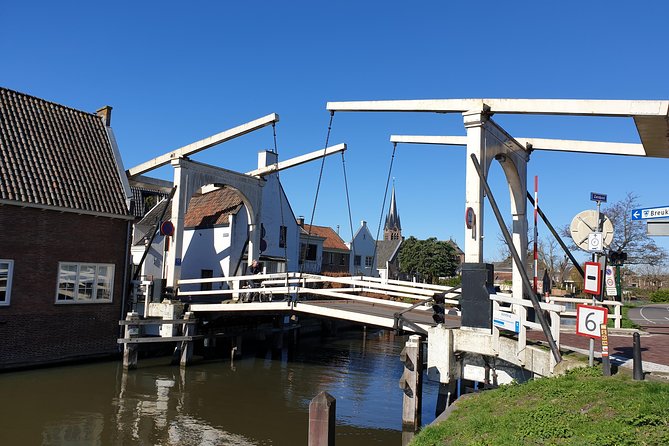
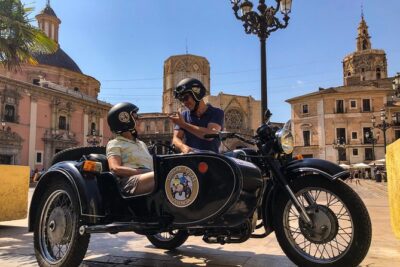
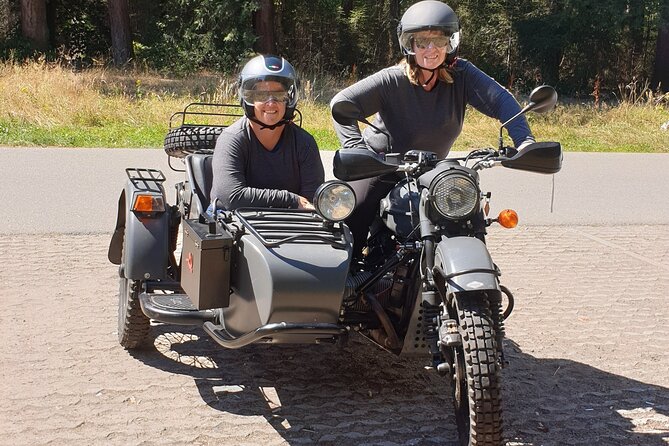
Here’s the basic setup. The sidecar can take two people total: one rider in the sidecar and one rider behind the driver. That also means the experience is best for couples, close friends, or a small family group. If you’re traveling as a larger group, check the rain plan option.
Rain has a clear workaround. If it’s wet enough, the tour can run by minivan instead, and up to two more people can join for the same price. That’s a rare and useful detail, because a lot of outdoor tours simply cancel or shorten.
Pickup is offered, and you can meet in places shown on Tripadvisor, or you can request a location of your choice for an extra fee of 20 euros. The tour ends back at the meeting point, so you’re not stuck planning your own return.
You’ll get a mobile ticket, and the tour is near public transportation. The operator also notes that most travelers can participate, and at least one participant must be an adult responsible for any non-adult rider. The minimum age for a non-adult is 12.
Stop-by-stop: Vecht, palaces, lakes, mills, and Slot Zuylen
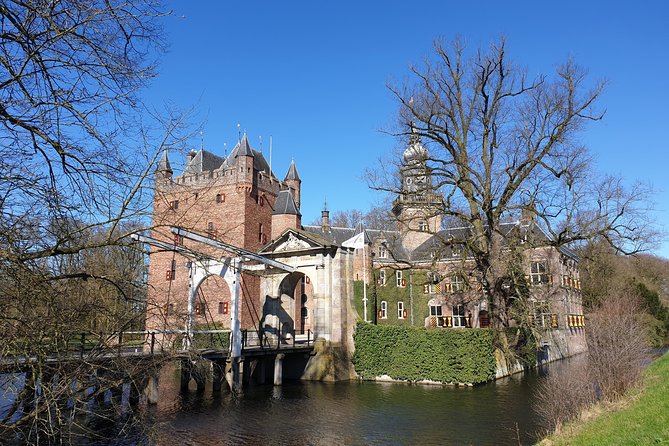
Most stops are around 5 minutes, with Vecht getting about 10 minutes. That’s long enough to look around, take photos, and hear the context your guide gives, but it’s not long enough to treat every stop like a full museum visit. Think of it as a guided highlights drive, with plenty of scenic pauses.
Stop 1: Vecht river estates
You start with the Vecht—a curvy river where 17th and 18th century country estates were built by wealthy merchants and administrators from Amsterdam. Even if you only spend about 10 minutes here, it’s a strong introduction because the river itself shapes the whole area: bend, view, bend, view.
What I like: you get the classic Dutch estate feel quickly, with that “how did they build this here?” sense that makes you look twice. What to watch for: since it’s a short stop, don’t plan on photographing every façade in detail.
Stop 2: Breukelen castle area (and the business university today)
Next is Breukelen, known for an impressive castle dating back to around 1275 AD. Today, the castle area is tied to the International Business University. The stop is short, about 5 minutes, and tickets are not included.
The upside is seeing the outside setting and getting the timeline context. The drawback is that you can’t count on going inside for a deeper look without planning separate tickets.
Stop 3: A quick garden break
There’s also a short “nice garden” stop. The data doesn’t specify ticket details here, but practically, this is your reset. It’s the kind of pause that breaks up the heavier history stops and gives you a quieter pocket to breathe.
If you like photography, gardens are often where the light is easiest to work with. If you’re chasing “must-see interiors,” just remember this is positioned as a brief stop.
Stop 4: Lage-Vuursche’s protected village views
Then you reach Lage-Vuursche, a protected village view with 18th and 19th century houses and dozens of national monuments. There’s also a reformed church dating from 1650, and this stop is free of admission requirements.
This is a good place to slow your brain down for a minute. Protected village views are all about preservation—meaning the streetscape and buildings are part of what you’re meant to notice, not just a single landmark. With only about 5 minutes, focus on one or two angles instead of trying to see everything.
Stop 5: Paleis Soestdijk, royal residence turned landmark
Paleis Soestdijk is a standout stop. The original building dates to the 17th century, and it’s described as an ex-royal palace. From 1937 it became the residence of Queen Juliana of the Netherlands and her German husband, Prince Bernhard van Lippe-Biesterfeld. Tickets are not included.
I like how specific this historical tie is. It gives you a clearer sense of why the palace matters in Dutch royal life. The only downside is practical: because admissions aren’t included, you’ll likely keep it to an exterior-style stop and the surrounding area unless you’ve planned ahead.
Stop 6: Loosdrechtse Plassen lakes for water-sport and nature
Loosdrechtse Plassen is a large nature and water sports area between Amsterdam and Utrecht. Admission is listed as free for this stop, and the pause is about 5 minutes.
If you’ve only seen the Netherlands through canals in big cities, this gives you a different water mood: wider, more open, and oriented around recreation and nature. With a short stop, you’ll want to pick where you’re standing for your best view before the guide moves on.
Stop 7: Bethunepolder, recreation plus conservation
Bethunepolder is a polder where recreation and nature conservation are both central. Many special animal and plant species are found there, and this stop is free.
This is a great reminder that “countryside” in the Netherlands often means managed land. The polder system isn’t just background—it’s part of daily life and ecology. The only catch: with a brief stop, you’ll probably focus on viewpoints rather than trying to identify species.
Stop 8: Goois Natuurreservaat forest tunnel roads
Next is the Goois Natuurreservaat, with forest near Lage Vuursche and beautiful forest tunnel roads. Admission is free, and the time here is short.
Tunnel roads are one of those things you can feel even without long explanations. The trees create a visual “corridor,” and it makes the ride feel slower and more cinematic. If it’s windy or chilly, this is also where you’ll notice it—so dress for actual weather, not just the forecast.
Stop 9: Nieuwe-Wetering’s rural farm houses
Nieuwe-Wetering is described as not even a village—very rural—with farm houses and a quiet vibe. Again, it’s about 5 minutes and free.
This stop works as a contrast to castles and palaces. It helps you see what life looks like when you’re no longer focused on monuments. Don’t expect big “things to do” here; expect atmosphere.
Stop 10: Molen Geesina flour mill still producing flour
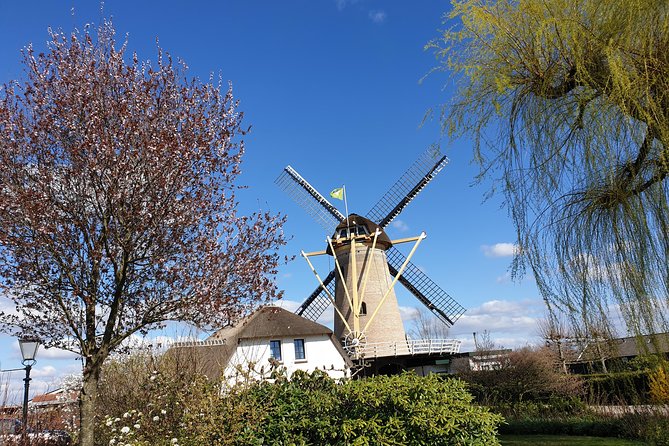
Then you hit Molen Geesina, a flour mill likely built around 1843. It’s restored and still produces flour, and admission is listed as free. This is one of the more tangible “working Holland” stops.
What I like about this kind of stop is that it turns a romantic idea—mills in a Dutch countryside setting—into something practical. Even if you only have a short pause, you’re seeing an active piece of local tradition rather than a dead artifact. The limitation is time: don’t count on a full explanation of milling processes during a 5-minute look.
Stop 11: Fort Ruigenhoek and the New Dutch Water Line
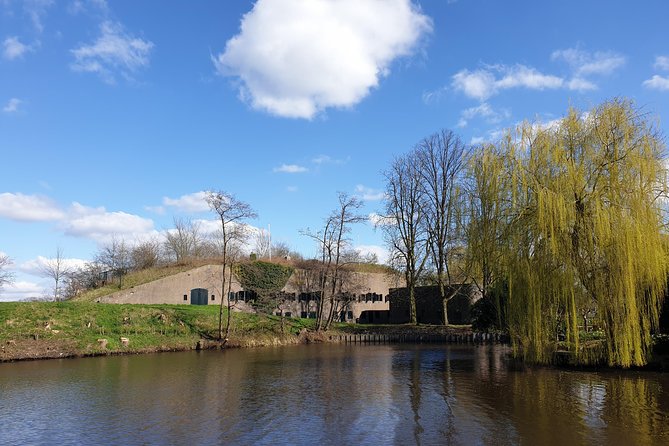
Fort Ruigenhoek comes next. It’s part of the New Dutch Water Line Defence System, built in 1869–1870. The note here is sobering: in 1940, Germans were able to fly over it. The stop is free and about 5 minutes.
This is an easy place to appreciate Dutch ingenuity around water. Even on a short stop, the fort context helps you understand why so many Dutch defenses and strategies are water-related. Just remember: you’re viewing it briefly, not touring a museum.
Stop 12: Slot Zuylen castle and an 18th-century writer-composer
The last stop is Slot Zuylen, a 13th century castle. It’s linked to an 18th-century Dutch writer and composer who lived here—French-speaking, well educated, and described as emancipated. This stop is also not included for admission.
One thing I’d flag: since admission isn’t included, Slot Zuylen will likely be an outside setting with guiding context. But the story details given—especially her striking statements—help make the castle feel more human and less like just a photo backdrop.
Why this route works: seeing Dutch “water thinking” in a few hours
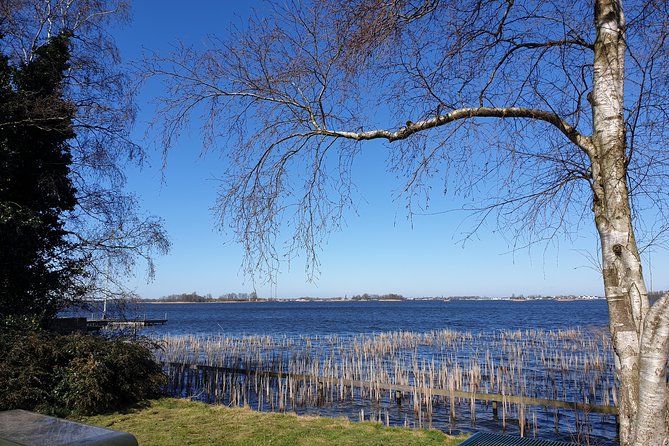
If you’ve only done Amsterdam sightseeing, it’s easy to think of the Netherlands as mostly canals and city streets. This sidecar route nudges you into the broader Dutch way of living with water: riverside estates, polder land, nature areas, and defenses built around controlling water.
The stops also connect in a pattern. You start with the Vecht river and estate culture, move into preserved village views like Lage-Vuursche, then shift toward royal power at Paleis Soestdijk. After that, the journey becomes more ecological and practical: lakes at Loosdrechtse Plassen, polder ecology at Bethunepolder, and a working mill at Molen Geesina. Finally, Fort Ruigenhoek brings you back to strategy and survival, and Slot Zuylen ends the day with a story-driven monument.
That blend is the real value. You’re not only seeing “pretty places.” You’re also getting the why behind what you see—enough context to make the countryside feel like a connected story rather than a scatter of stops.
Photo, comfort, and what to expect from the pace
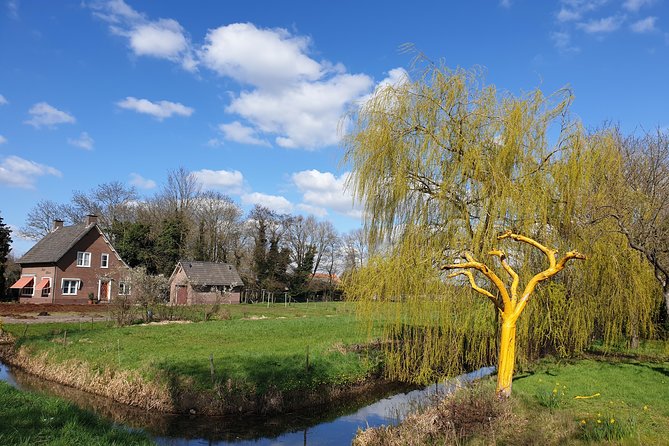
Because the sidecar experience is time-based, you’ll get a rhythm rather than long wandering. That’s good for people who don’t want to spend half a day transferring between towns and chasing parking. It’s also good if you get motion-sick on bikes or prefer a guided pace instead of planning every turn.
Helmets are included, and fuel is included, so your comfort planning is mostly about clothing. In early spring or shoulder seasons, layers help. If rain shows up, remember the minivan option exists, which can make the day more comfortable while keeping the route moving.
For photos, pick your priorities early. If you want the river look at Vecht, make that your “best angle” stop. If you care more about fort shapes and defense logic, Fort Ruigenhoek is where to focus your time and camera settings.
Price and value: $300.06 per group for a private ride for two
The price is listed as $300.06 per group, up to 2 people, with duration around 2 to 4 hours. That sounds high compared with public tours, but it’s private. You’re paying for a sidecar setup with a guide-driver, plus fuel and helmets, and you’re not splitting your time with strangers.
Here’s the value math that matters: when you’re doing countryside between Amsterdam and Utrecht, the alternative often means paying for transport plus adding separate paid entry tickets for certain sights. In this experience, several stops are free, like Vecht, Lage-Vuursche, Loosdrechtse Plassen, and the polder/nature points, but some major sites have ticket costs not included (Breukelen, Paleis Soestdijk, Slot Zuylen). So you’re not buying admission to everything—you’re buying the ride, the route timing, and the interpretive guide.
Also factor in the pickup option. If you add pickup from a custom location, it’s an extra 20 euros. That can still be worth it if you’re starting from a convenient central spot and want to avoid transit juggling.
Who it fits best:
- Couples or close friends who want a memorable countryside day without stress
- First-timers who like the idea of motorbike energy but want guidance and structure
- Travelers who enjoy history context paired with quick scenic stops, not full-day museum time
Who might find it less ideal:
- People who expect to walk into every landmark and spend long time inside ticketed sites
- Anyone who wants a slow, countryside hike day rather than a timed route
Should you book the Holland Sidecar tour?
I’d book it if you want a private, guided way to connect Amsterdam and Utrecht countryside highlights in a short time. The combination of water areas (Vecht and Loosdrechtse Plassen), protected village views (Lage-Vuursche), a royal palace stop (Paleis Soestdijk), and practical landmarks like a working mill (Molen Geesina) makes the day feel varied without being exhausting.
I’d think twice if you’re planning your whole trip around entering and spending lots of time inside the bigger ticketed buildings. This tour is built for quick, guided stops. You’ll likely enjoy the context and the exterior setting more than long interior visits.
Finally, treat it like a weather-sensitive ride: it needs good conditions. If the forecast looks rough, the minivan backup helps. If it’s good, you get the best version of the experience—helmet on, sidecar ready, and the Dutch countryside moving past you like a story.
FAQ
How many people can ride in the sidecar?
The sidecar tour is set up for two people: one person in the sidecar and one person behind the driver. It’s private, so only your group participates.
Is pickup included?
Pickup is offered. You can meet at the locations listed for pickup, or request a different location for an extra fee of 20 euros.
What’s the typical duration of the tour?
The tour lasts about 2 to 4 hours, depending on how the route and stops flow.
Are helmets provided?
Yes. Helmets are included.
Is the tour in English?
Yes. The tour is offered in English.
Does the price include admission to all stops?
No. Some stops are free, while others are not included for admission, including Breukelen, Paleis Soestdijk, and Slot Zuylen.
What happens if it rains?
In case of rain, the tour can run by minivan instead, and two more people can come for the same price.