REVIEW · BIRMINGHAM
Birmingham: The National Motorcycle Museum Ticket
Book on GetYourGuide →Operated by The National Motorcycle Museum · Bookable on GetYourGuide
British motorcycles, in one seriously fun museum. I like the way the National Motorcycle Museum turns Birmingham into a one-roof motorcycle lesson, with the largest collection of British motorcycles in the world—over 1,000 bikes from 170 manufacturers.
I’m also a big fan of the museum’s layout, split across five display halls, so you can follow the story of British engineering from 1898 to today without feeling lost.
One heads-up: some of the bike information sits at floor height, so reading captions can be awkward unless you’re okay getting close or bringing reading glasses.
In This Review
- Key things you’ll notice right away
- National Motorcycle Museum Birmingham: why this one-day ticket feels like a full adventure
- Five halls and a 1898-to-today plan: how to see it without rushing
- From pioneer bikes to wartime utility machines: the story behind the look
- Racers, record-breakers, and bikes with screen time
- Super bikes and modern engineering: what to look for today
- Families and first-timers: how to make this day work for everyone
- On-site comfort: parking, food foyer, and reading the labels up close
- Price and value: does $22 for a day make sense?
- Who should book this National Motorcycle Museum ticket?
- Should you book? My take
- FAQ
- Where is the National Motorcycle Museum in Birmingham?
- How long is the ticket valid for?
- What are the opening hours?
- How many motorcycles are on display?
- How many display halls does the museum have?
- Is there free parking?
- Is the museum wheelchair accessible?
- Can I cancel and get a full refund?
- Can I reserve now and pay later?
Key things you’ll notice right away
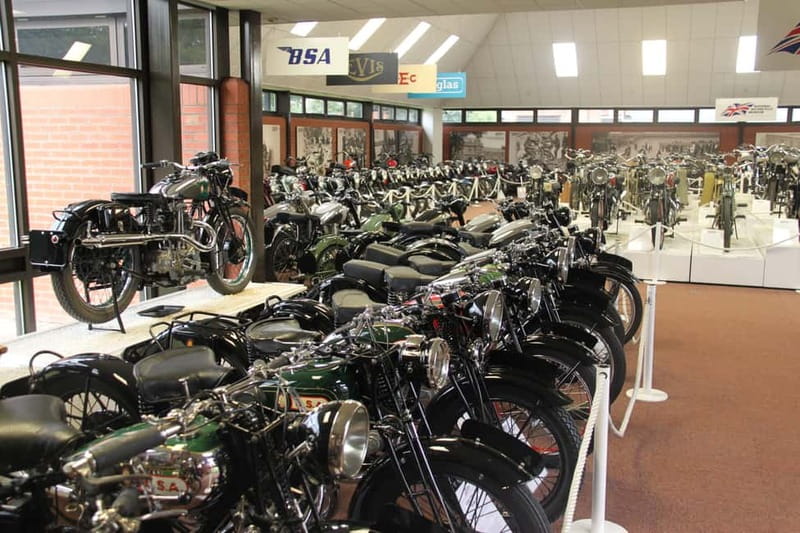
- Largest British motorcycle collection: over 1,000 bikes spanning pioneer to modern
- Five halls with clear themes: you see the evolution from 1898 to today
- Up-close, iconic models: including rare and stand-out British bikes
- Stories, not just machines: timelines and notes connect bikes to speed, wartime use, and films
- Good family setup: kid-friendly spotting and easy displays
- Good chance for special motorcycle days: on Dave Day, it’s been a rest stop with bikers including Henry Cole and Alan Millyard
National Motorcycle Museum Birmingham: why this one-day ticket feels like a full adventure
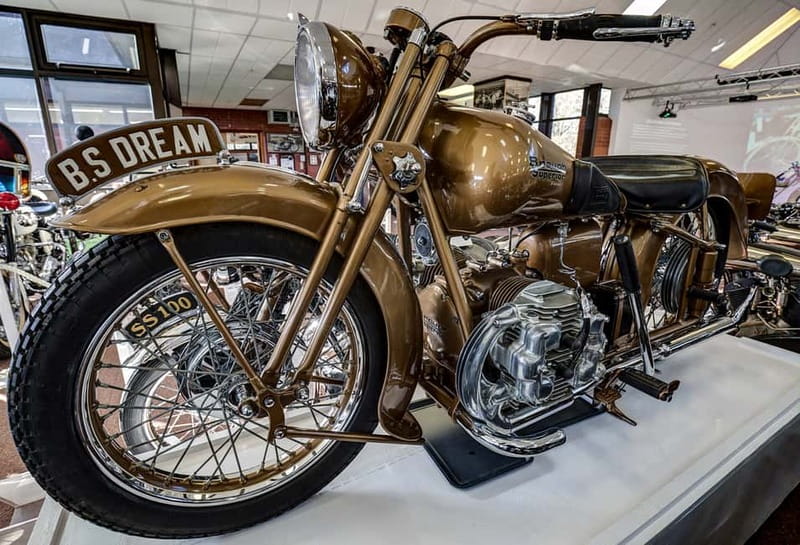
If you like machinery, design, or the human stories behind them, this is an easy yes. The National Motorcycle Museum in Birmingham (Bickenhill, Solihull) is built around a simple idea: you don’t just look at bikes, you walk through the way British motorcycling changed over more than a century.
The best part is scale. You’re not dealing with a small display that repeats the same dozen models. You’re looking at a major collection: more than 1,000 motorcycles from 170 manufacturers, spanning early engines through wartime utility bikes, record breakers, and modern superbikes. That variety matters because it keeps your eyes moving and your brain engaged.
The ticket is also priced like a smart day-out. At about $22 per person for a 1-day entry, you’re paying for hours of hands-on-looking time under one roof. Add in free on-site parking and a location that’s close to Birmingham International Airport and train station, and it’s a practical plan even if you’re not staying in the city center.
Five halls and a 1898-to-today plan: how to see it without rushing
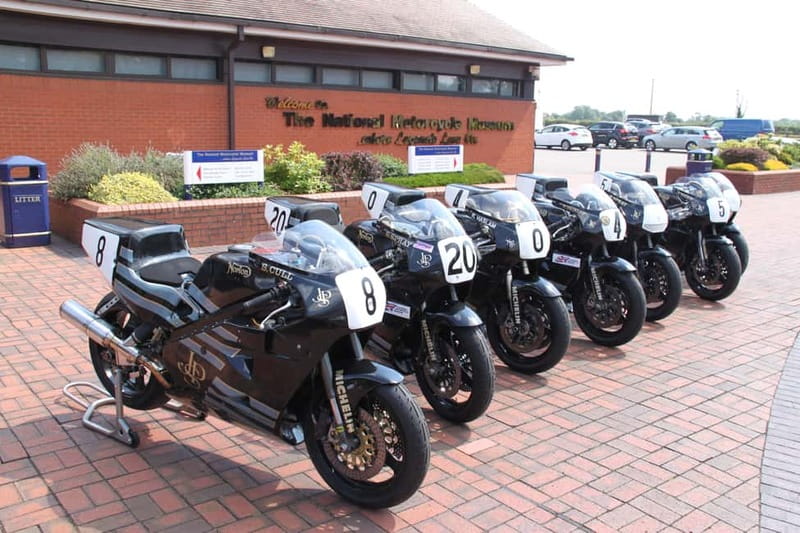
The museum’s physical layout is your guide. You’ll move through five display halls, each packed with restored machines and themed storytelling. The displays are organized to help you understand what you’re looking at, with timelines and labels that connect the bikes to how Britain rode, raced, and built.
Here’s a way to pace your visit so it feels enjoyable instead of tiring:
- Start by taking in the big picture: once you’re in, scan the timelines and quick explanations. This gives you a mental map before you start hunting for specific bikes.
- Then choose your tempo. If you’re a die-hard motorcycle person, slow down and focus on details like engine style and design changes. If you’re with kids or you’re new to motorcycles, you’ll get more from spotting the standout categories and iconic shapes.
- Leave yourself time to circle. With so many machines, you’ll naturally miss something your eyes skip the first time. A second pass for the models you liked best is what turns the visit into a personal highlight reel.
You can absolutely do it in one day. But if you want to take breaks and still feel relaxed, I’d plan to arrive early enough that you’re not sprinting toward closing time.
From pioneer bikes to wartime utility machines: the story behind the look
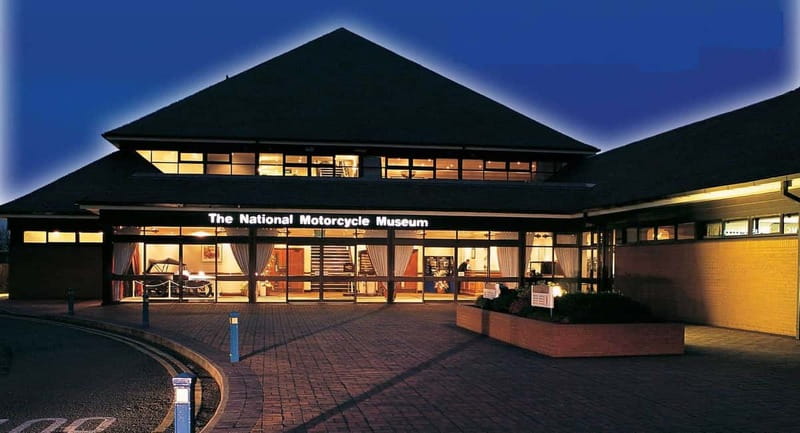
The museum’s early sections are a great reminder that modern motorcycling didn’t pop out of nowhere. You’ll see the evolution of British engineering starting from the earliest eras shown at the museum, including early bicycle-powered engines and other pioneer-style machines. Watching how the mechanics and design grow over time is one of the most satisfying parts of the day because you can connect form to purpose.
Then the displays shift to wartime utility bikes. This part hits differently, because the value isn’t just visual. It’s about function—how motorcycles fit real-world needs, not just speed and style. If you like learning through objects you can actually walk around, this section gives you that direct, no-fluff kind of context.
Practical tip: for these earlier machines, get close enough to read what you can, but don’t feel like you need to master every label. The payoff is in seeing how ideas change across eras.
Racers, record-breakers, and bikes with screen time
British motorcycling has a big reputation for racing and speed, and the museum puts that on display in a way that feels more like storytelling than a static lineup. You’ll run into record-breaking racers and motorcycles tied to popular culture, including models known for starring in films.
What I like about this section is that you start noticing the language of performance. Even if you’re not a mechanic, you can often tell what’s built for speed, what’s built for reliability, and what’s built for the moment a rider wants to win. It’s the kind of visual learning that makes you pay attention longer than you expect.
If you’re the type who likes to pick a few favorites and then build your route around them, this is the perfect part to do that. Find the racer themes that catch your eye, then work backward and forward across the halls.
Super bikes and modern engineering: what to look for today
By the time you reach the later displays, the museum doesn’t just stop at classics. You’ll see cutting-edge superbikes too—modern machines that show how design and engineering evolved from the earlier eras.
This is a good place to shift your mindset. For older bikes, your eyes can follow changes in fundamentals. For modern superbikes, your attention tends to go to refinement: how the bike looks in motion, how components are shaped, and how the overall design signals performance.
Even if you’re not a modern-bike person, it’s worth walking through slowly here. It helps you see the continuity—British motorcycling isn’t only a museum topic. It’s a living design culture.
Families and first-timers: how to make this day work for everyone
This is one of those attractions where you don’t have to be a lifelong rider to have a great time. The displays are set up so kids can participate without needing technical background. Look for the quirky, colorful models and the easy-to-follow information points, which are the kinds of details that help younger visitors feel included fast.
If you’re visiting with children, I’d treat it like a scavenger hunt. Pick a few categories before you start, like pioneer-style bikes, wartime utility bikes, or super modern superbikes. Then let the kids find examples of each. It turns a huge collection into a game, and it reduces that feeling of wandering in circles.
For adults who are new to motorcycles: don’t worry about understanding everything on the first pass. Your goal is familiarity—seeing enough bikes that you start recognizing design trends and eras.
On-site comfort: parking, food foyer, and reading the labels up close
The museum is easy to reach by car, with free on-site parking. If you’re coming from the airport or using trains, it’s also close to Birmingham International Airport and Birmingham International Train Station, which makes it a solid day plan for visitors who don’t want complicated city navigation.
Inside, there’s a cosy food foyer with hot meals and snacks. That matters because spending hours in a museum like this can make you forget food exists—having a place to refuel without leaving the grounds keeps your pace steady.
One practical detail to plan around: bike information can be hard to read at floor height. That doesn’t ruin the visit, but it does affect comfort. I’d recommend bringing reading glasses if you use them regularly, and using your phone camera to zoom when needed. Getting closer to the display also helps you spot the craftsmanship you might miss from a distance.
There’s also a gift shop stocked with motorcycle-themed books, clothing, and souvenirs, which is a nice way to bring something small home without turning the visit into a shopping detour.
Price and value: does $22 for a day make sense?
At about $22 per person for a 1-day museum ticket, this is strong value for a few reasons.
First, you’re paying for scale: over 1,000 motorcycles, spanning 170 manufacturers and multiple eras. That’s the kind of number that can swallow a lot of time if you actually look.
Second, the museum isn’t only showing bikes—it’s connecting bikes to stories. Timelines, interactive-style storytelling, and explanations about how motorcycles fit into speed, film, and wartime use add a layer of meaning. That turns the visit from a photo stop into something you can learn from.
Third, the practical setup makes the day easier. Free parking, a food space on-site, and clear opening hours from 8:30 AM to 5:30 PM (last admission 4:30 PM) make it easier to plan a full visit without rushing.
If you’re a museum person who likes walking through themes in order, you’ll probably feel like the ticket cost is justified quickly.
Who should book this National Motorcycle Museum ticket?
Book it if you love motorcycles, design, engineering, or the British speed-and-style story. You’ll also like it if you’re traveling with mixed interests—mechanical folks, casual riders, and families—because the museum’s categories give everyone a route in.
This is less of a fit if your idea of a good day out is mostly outdoor sights or hands-on activities. This is a look-around museum. You’re here for what you can see up close and read at your own pace, not for rides or outdoor scenery.
One extra reason to consider timing: on days like Dave Day, it’s been a rest stop for rides that included high-profile bikers such as Henry Cole and Alan Millyard. If your dates line up, that energy can add a fun layer to the visit.
Should you book? My take
If you want a low-stress, one-day plan that feels big and satisfying, I’d book the National Motorcycle Museum ticket. The collection size alone makes it worth considering, and the way the displays connect eras—pioneer machines, wartime utility bikes, racing and film, then modern superbikes—gives your visit shape instead of turning it into a random walk.
Just plan for the reading challenge at floor height, and aim to start earlier in the day so you can slow down where you care most.
FAQ
Where is the National Motorcycle Museum in Birmingham?
It’s located on Coventry Road, Bickenhill, Hampton in Arden, Solihull B92 0EJ, UK.
How long is the ticket valid for?
The ticket is valid for 1 day.
What are the opening hours?
The museum is open 7 days a week from 8:30 AM to 5:30 PM, with last admission at 4:30 PM. It’s closed on certain public holidays, so you should check the museum’s website before going.
How many motorcycles are on display?
You can see over 1,000 motorcycles from 170 manufacturers.
How many display halls does the museum have?
The museum has five expanded display halls.
Is there free parking?
Yes, there is free on-site parking.
Is the museum wheelchair accessible?
Yes, the museum offers full wheelchair access.
Can I cancel and get a full refund?
Yes. You can cancel up to 24 hours in advance for a full refund.
Can I reserve now and pay later?
Yes. There is an option to reserve now & pay later, keeping travel plans flexible.