REVIEW · DONG VAN
Easy Rider 3 Day Motorcycle Tour of Ha Giang Loop
Book on GetYourGuide →Operated by Vietnamtravelers · Bookable on GetYourGuide
Ha Giang feels like freedom on two wheels. This 3-day loop-style ride is built around big mountain passes, down-to-earth villages, and time off the bike for river views and swimming, but you should also plan for long, sun-and-dust riding days plus simple lodging.
I especially like how the trip mixes “ride hard” moments with “slow down” breaks, like the Ma Pi Leng Sky Path viewpoint trek followed by a calm boat ride on the Nho Quế River. One consideration: the tour is active, so if you’re sensitive to motion or heat, pack smart and go in expecting sweat and bumpy roads.
In This Review
- Key things that make this tour work
- Why the Ha Giang Loop hits different on a 3-day motorbike run
- From Hanoi to Dong Van: Bac Sum Pass, Heaven Gate, and Sa Phin
- Ma Pi Leng Pass and the Nho Quế boat: where the day slows down
- Du Già Waterfall and village life in a simple homestay
- Riding comfort, safety, and the helmet rules that actually matter
- Price and value: what does $19 really buy you?
- Who should book (and who should rethink it)
- Should you book this Ha Giang Loop tour?
- FAQ
- What’s included in the Ha Giang Loop tour package?
- Do I need to arrange my own motorcycle?
- Is there an English-speaking guide?
- Are helmets provided or required?
- What do I do during the Nho Quế River portion?
- What’s the main activity at Ma Pi Leng?
- What’s included for food during the tour?
- Is alcohol allowed during the tour?
- What should I bring?
- Who isn’t suitable for the tour?
Key things that make this tour work
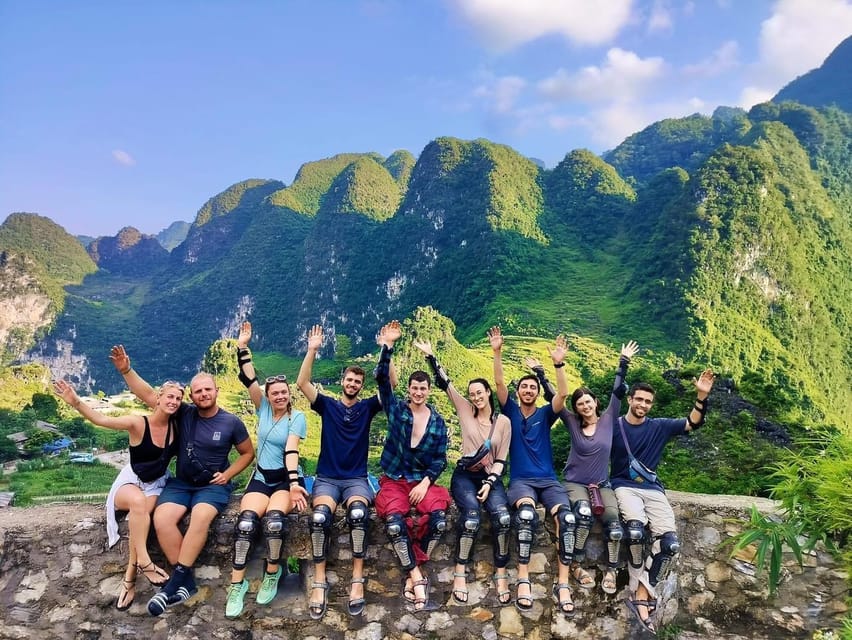
- Ma Pi Leng Sky Path gives you panoramic payoffs without needing to be a serious hiker
- Nho Quế River boat time turns the day from road-focus into view-focus
- Homestays with practical comforts: you get basic guesthouse stays plus real village hospitality
- Guides who manage safety and pace: helmets are mandatory, and the riding is guided by experienced drivers
- Better traffic odds on a set loop direction: some groups run the circuit counterclockwise to reduce traffic pressure
- Meals and timing are handled for you so you’re not constantly hunting food on the road
Why the Ha Giang Loop hits different on a 3-day motorbike run
The Ha Giang Loop isn’t just about seeing places. It’s about feeling how northern Vietnam changes as the road climbs, drops, and curves through limestone karst and mountain valleys. This tour covers about 350 kilometers over three days, and that pacing matters: you get enough time to see multiple regions without trying to cram everything into one exhausting day.
You’re not just stuck in a seat. You’ll spend real time moving through the area’s highlights—major passes, a karst plateau, a historic palace complex, a viewpoint trek, a river boat stretch, and a waterfall stop—then land at overnight stays that actually reflect the region. Even the simple stops have a purpose: they help you reset your legs, cool off, and keep your energy up for the next riding block.
If you’re coming from Hanoi, it also helps that the tour uses a sleeping bus return so you don’t spend every single hour traveling. You’ll still have long transit moments, but it’s the kind of logistics that keeps the actual riding days meaningful.
From Hanoi to Dong Van: Bac Sum Pass, Heaven Gate, and Sa Phin
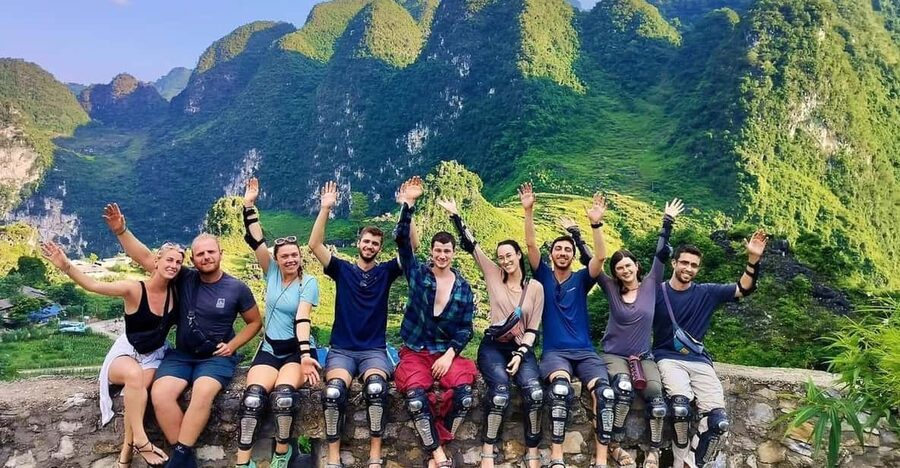
Your day starts early, with pickup from your hotel area and a short wait in the lobby before you join the group. The main goal of the first riding day is simple: get you to the Dong Van area with enough scenic variety that it doesn’t feel like one long road slog.
After checking in around Ha Giang city, you’ll meet your guide and begin with a pass ride that sets the tone fast: Bắc Sum Pass. This is the kind of road where the views are there the whole time—rolling hills, distant ridgelines, and that classic Ha Giang sense that the mountains are always close.
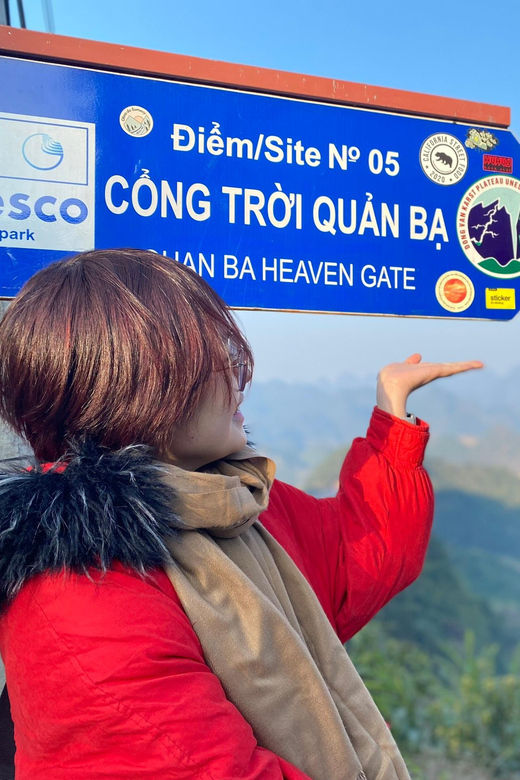
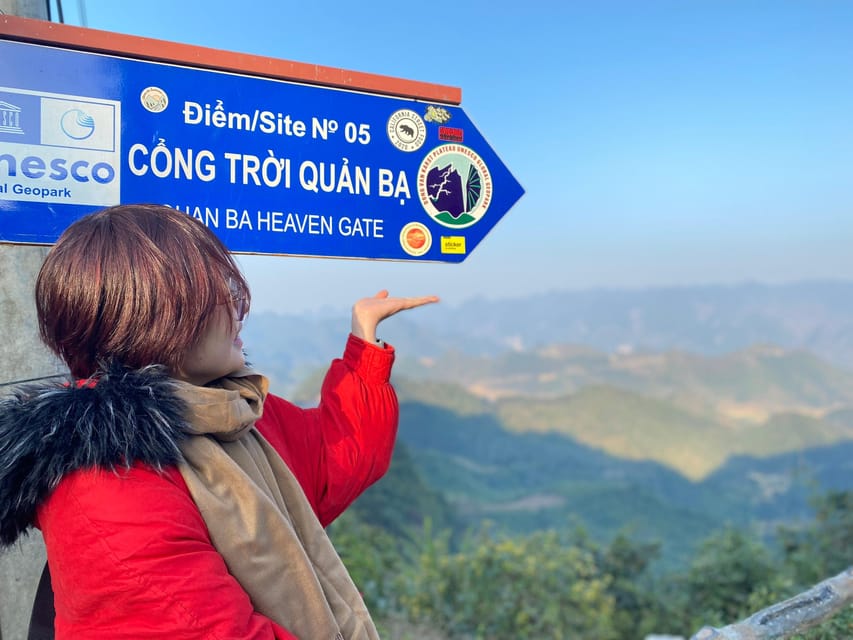
Next comes Quan Bạ Heaven Gate, a viewpoint framed by twin mountains. It’s one of those spots where a quick stop is worth it because the shape of the area becomes clearer: the valley opens up, you can see how the road threads through the terrain, and the scale makes the later places easier to understand.
Lunch time is built in around Yên Minh Town, which is practical. When you’re riding all day, hunger can sneak up fast, and a real lunch stop helps you avoid the trap of grabbing random snacks every few hours. After lunch, you’ll head toward Dong Van via Chin Khoanh Pass, then reach the Dong Van Karst Plateau area—rugged rock formations and dramatic terrain that look best when you slow down just long enough to take photos without rushing.
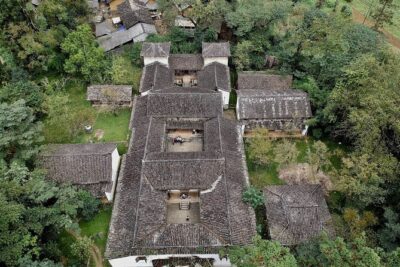
One of the more culturally grounded stops is the Hmong King’s Palace in Sà Phìn. It’s not just a photo opportunity; it adds context for why this region looks the way it does and how different communities lived here long before modern roads made travel easier.
You finish the day in ancient Đồng Văn, where the plan includes a Vietnamese feast and live music. This is the kind of evening that changes your mood: after dust, curves, and engine noise, you switch to conversation, food, and local entertainment.
Possible drawback here: Day 1 is about getting position. If you hate long riding blocks, you’ll want to be extra ready with water, sun protection, and an attitude of slow-and-steady. The pace is scenic, but it’s still riding.
Ma Pi Leng Pass and the Nho Quế boat: where the day slows down
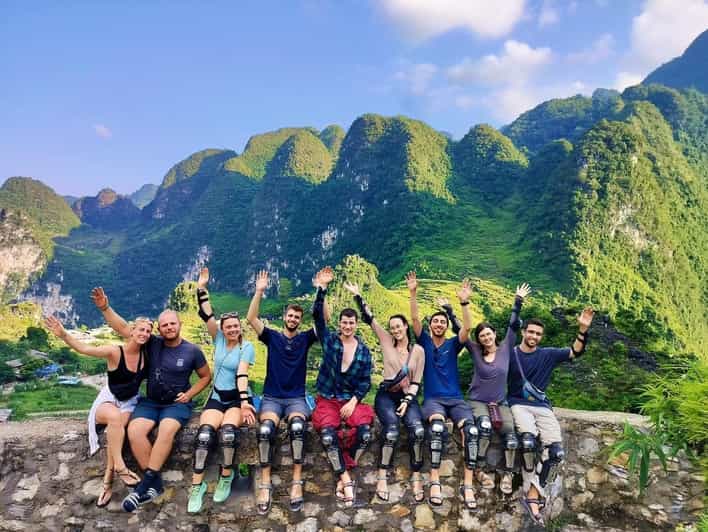
Day 2 is the highlight day for views. You start with breakfast in Đồng Van and then drive toward Ma Pi Leng Pass, one of Ha Giang’s most famous mountain passes. The big difference this day offers is that you don’t only ride through the scenery—you also get off the bike for a viewpoint experience.
At Ma Pi Leng Pass, you’ll trek the Sky Path for panoramic views. That trek is short enough for most people to manage with comfortable shoes, but it’s meaningful because it gives you elevated perspective. You see the depth of the valleys and the way the road hugs the terrain, and you start to understand why riders talk about Ma Pi Leng like a must-see.
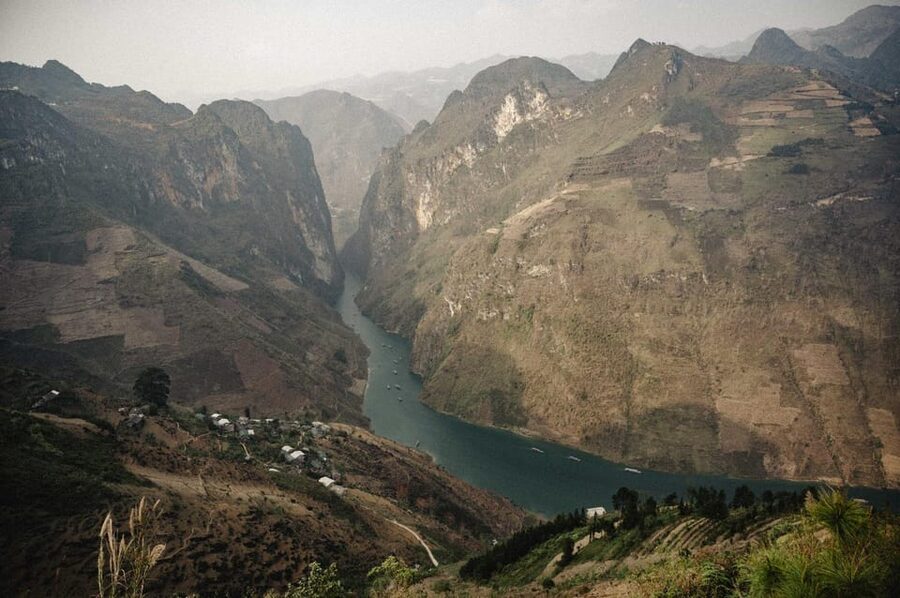
Then comes a welcome change of rhythm: you descend toward the Nho Quế River for a boat ride. This is your chance to experience the region without handlebars. The river stretch is timed around golden moments, so you get that mix of calm water and dramatic surrounding rock.
Lunch breaks are also part of the day, with options like Meo Vac, Mau Due, or Lũng Hồ village, depending on the day’s flow. I like that approach because it means you’re not locked into one single “tourist lunch.” You’re given real local possibilities while still keeping the schedule under control.
By mid-to-late afternoon, you ride through more of Ha Giang’s mountainous areas and arrive in Du Già town. The overnight plan shifts to something warmer and more personal: a local homestay surrounded by rice fields, where the focus is on staying with people instead of staying inside a big hotel machine.
Du Già Waterfall and village life in a simple homestay
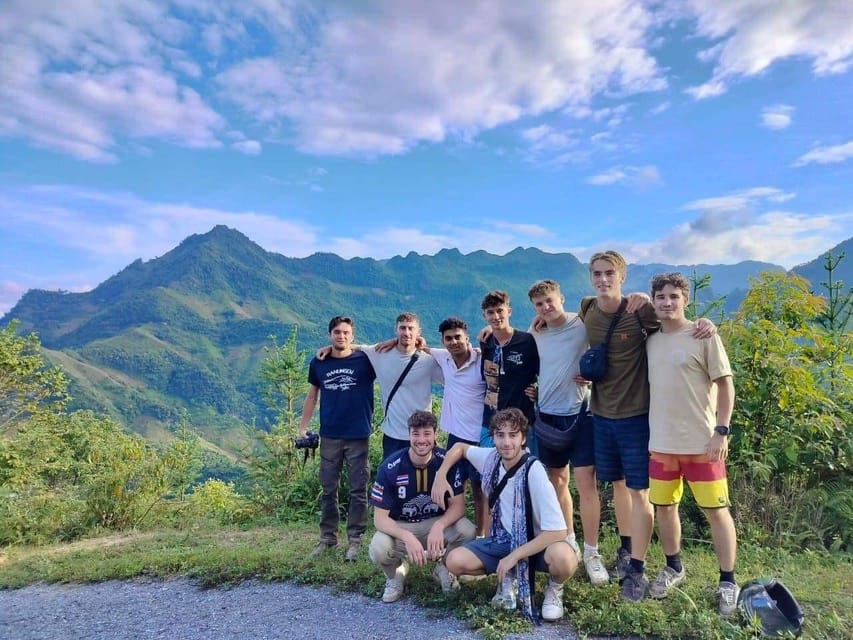
Day 3 is quieter in the best way. Breakfast at your homestay starts the day, and the main relaxation moment arrives early: Du Già Waterfall. This is where you swap riding fatigue for water time. You’ll have the chance to swim and cool off, and that matters because Ha Giang riding can leave your body feeling tight and tired even if you feel energized mentally.
After the waterfall break, you’ll cross Lũng Tám and pass by Núi Đôi Mountain, keeping the day scenic without pushing too hard on another major pass climb. It’s a good design choice for a final day: it lets you end with views while preserving energy for the journey back.
Lunch is in Nam Đam Village, which keeps the trip rooted in local places rather than turning into a rushed checklist. Then you return to Ha Giang city with time to settle before heading back to Hanoi.
Even though the focus ends when you board the sleeper bus, the experience isn’t necessarily “end and disappear.” Some groups are set up so you can take care of practical needs around arrival and departure—like freshening up and waiting comfortably—so you don’t feel cut loose right after the tour.
Riding comfort, safety, and the helmet rules that actually matter
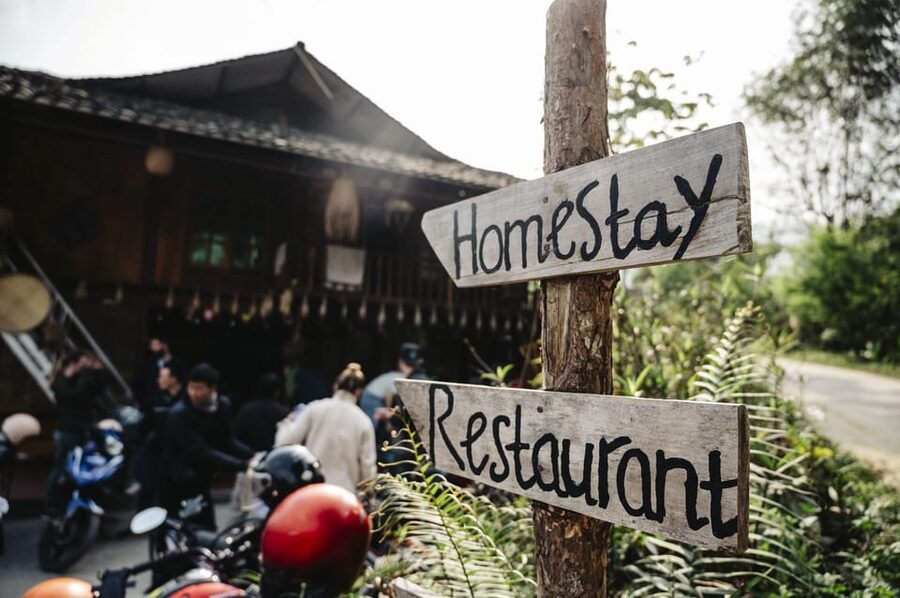
This is a motorcycle tour, and that changes everything: you’re exposed to sun, wind, dust, and vibration. The good news is that the tour is designed with safety first in mind, and helmets are mandatory. That isn’t just a rule on paper. It shapes how you ride—stability improves, and your focus stays on the road instead of fighting the ride.
The tour also uses experienced guides/drivers. In practice, that means you’re less likely to get left behind in tricky moments, and more likely to get a steady rhythm through traffic and curves. One of the strengths of the guided format is that someone is thinking about the whole route so you can enjoy the scenery and keep your body coping with the ride.
You also want to pack for the realities of the road. Bring passport, comfortable shoes, sunglasses, camera, and sunscreen, plus cash for small needs. If you’ve ridden in hot areas before, you know it’s not the mountains that surprise you—it’s the sun exposure and dry air that build up faster than you expect.
And one firm note: no alcohol and no drugs. That’s a safety expectation for a reason, and it’s also how you keep the riding day smooth for everyone in the group.
Price and value: what does $19 really buy you?
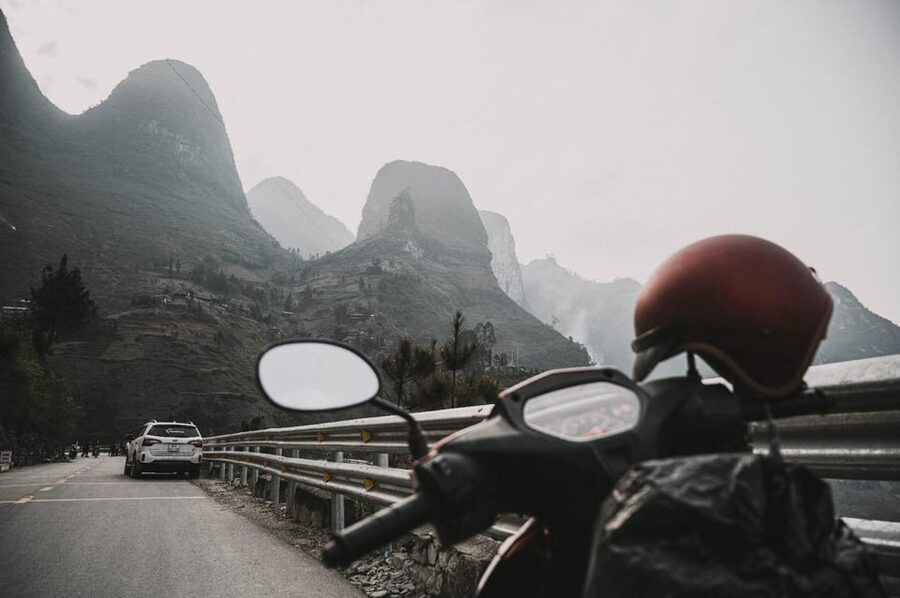
The headline price is $19 per person for a three-day experience, and that’s attractive. But with tours like this, the real question is what’s included versus what’s optional or extra.
From the plan, you should expect these core parts to be covered:
- Hotel pickup from Hanoi (and also from Ha Giang if relevant on the route timing)
- Motorbike rental
- Local guide (English)
- Nho Quế River boat
- Accommodation across three nights: one night on a sleeper bus, one night in Dong Van hotel, and one night in Du Già homestay
- Meals: breakfasts and lunches each day, plus two dinners
- Entrance fees
Where the money can shift:
- The roundtrip sleeping bus transfer from Hanoi is listed as not included for an additional $25 per person. So you may pay extra depending on how you’re booked and what route you take to/from Hanoi.
- There’s also a 30% surcharge on Christmas, New Year, and Tet holidays, which matters if you’re traveling around those peak periods.
- Drinks and personal expenses aren’t included, so plan on buying water and small snacks outside the included meals.
So is it good value? For Ha Giang, it often is, because motorbike access, guiding, key transport pieces, and multiple lodging nights add up quickly if you piece them together yourself. The smart way to judge this price is to compare to the cost of: getting a bike, paying a guide, covering lodging in Dong Van and Du Già, and arranging the Nho Quế boat activity. The tour bundles those pieces so you spend less time negotiating and more time on the road.
Who should book (and who should rethink it)
This trip is best for you if:
- You want a guided Ha Giang Loop with a strong mix of views and cultural stops
- You’re comfortable with long days and active breaks (tug yourself to Sky Path, then cool off by the river and waterfall)
- You like the “ride with someone else planning” style, where you spend your energy on taking in the place instead of running logistics
You might rethink it if:
- You’re sensitive to road vibration and long stretches in a motorcycle setting
- You need high-end hotel comfort every night, since homestays and basic guesthouses are part of the model
The tour also notes it isn’t suitable for babies under 1 or people over 95, which tells you the organizers expect a fairly active, full-duration group experience.
Should you book this Ha Giang Loop tour?
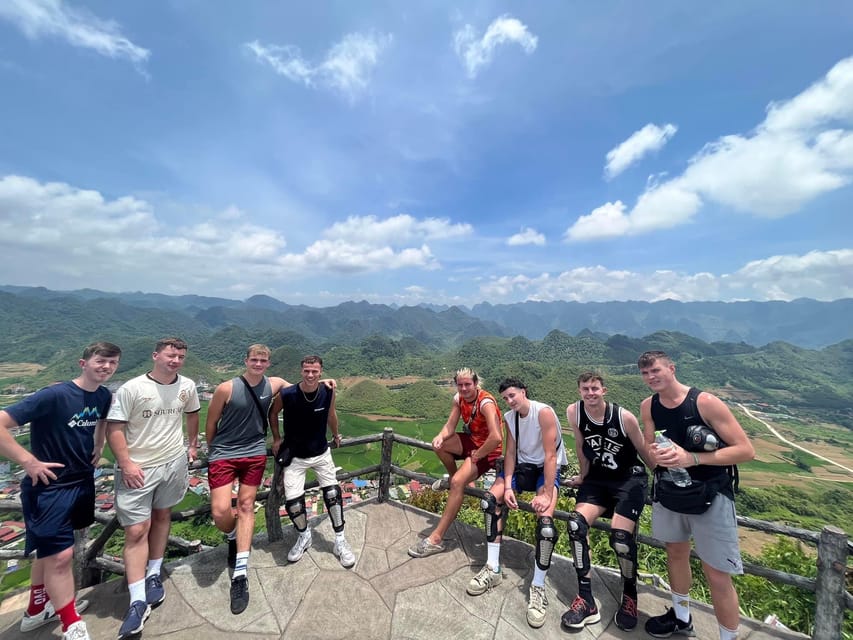
I’d book it if you want Ha Giang’s most talked-about moments packed into three days without you doing the hard planning. The combination of Ma Pi Leng Sky Path plus the Nho Quế boat ride is a strong pair: one gives height and scale, the other gives calm and perspective. Then you finish with Du Già Waterfall and a homestay stay in rice-field scenery, which is a nice way to close the loop.
If you’re on a tight budget, also keep your eyes on what the price includes for your exact transfer. The tour price looks low, but your total may climb if you need the extra roundtrip sleeper bus transfer. Still, even with small add-ons, the package can represent good value because it bundles guiding, transport pieces, lodging, meals, and entrance fees.
My practical advice: go in ready for heat, bring sun protection and comfortable shoes, and trust the guide to handle the pace. If you do that, you’ll spend less time worrying and more time feeling why Ha Giang keeps pulling people back.
FAQ
What’s included in the Ha Giang Loop tour package?
The package includes pickup from Hanoi (and Ha Giang where applicable), a motorbike rental, a local English guide, the Nho Quế River boat ride, accommodation for the 3-night plan (sleeper bus night plus nights in Dong Van and Du Già), meals (3 breakfasts and lunches, plus 2 dinners), and entrance fees.
Do I need to arrange my own motorcycle?
No. Motorbike rental is included.
Is there an English-speaking guide?
Yes, the tour includes a live English guide.
Are helmets provided or required?
Helmets are mandatory.
What do I do during the Nho Quế River portion?
You take a boat ride on the Nho Quế River, with sightseeing and photo stops timed around the day’s light.
What’s the main activity at Ma Pi Leng?
You ride through Ma Pi Leng Pass and then trek the Sky Path for panoramic views.
What’s included for food during the tour?
You’ll have breakfast and lunch during the days of riding and sightseeing, plus two dinners.
Is alcohol allowed during the tour?
No. The tour states that alcohol and drugs are not allowed.
What should I bring?
Bring your passport, comfortable shoes, sunglasses, a camera, and sunscreen, and plan to have cash.
Who isn’t suitable for the tour?
The tour is not suitable for babies under 1 year old or for people over 95 years old.